


Understanding How Modern Water Heating Systems Work in Homes
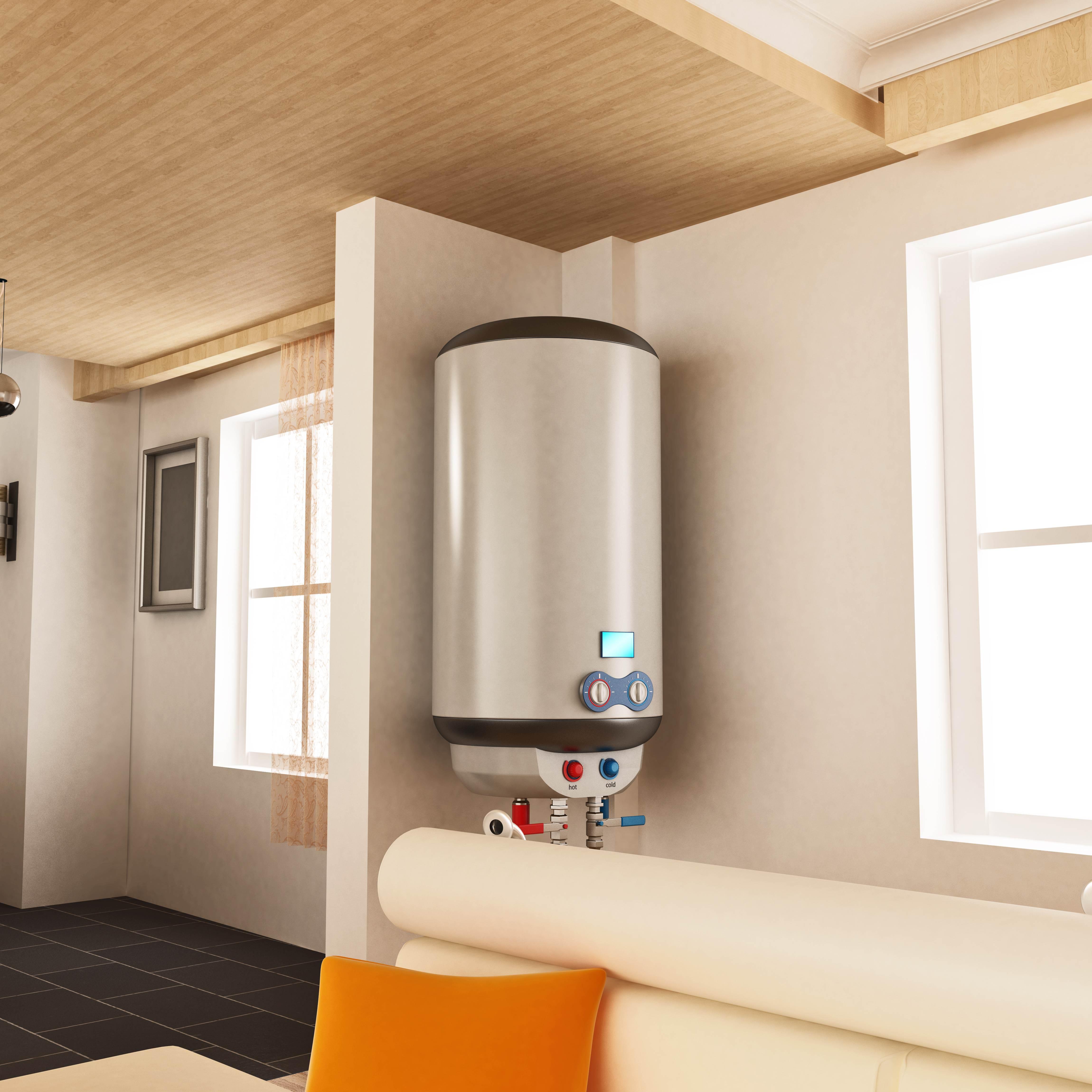
Hot water has become an essential part of everyday life, supporting daily activities such as bathing, cleaning, cooking, and laundry. Modern water heating systems are designed to deliver consistent hot water efficiently while minimizing energy consumption and improving safety. Understanding how these systems function can help homeowners make informed decisions about installation, usage, and maintenance.
The Basic Principle of Water Heating Systems
At their core, home water heating systems operate by raising the temperature of cold water and storing or delivering it when needed. Water enters the system through a supply line and is heated using electricity, gas, or alternative energy sources. Once heated, the water is either stored in an insulated tank or supplied instantly through pipes, depending on the system type.
Types of Modern Water Heating Systems
Today’s homes commonly use two main types of heating systems: storage-based and instant systems. Storage units heat water in advance and keep it warm in an insulated tank until required. Instant systems, often referred to as on-demand heaters, heat water only when a tap is turned on. Both systems are widely used in households, with water geysers being a popular solution for reliable hot water supply in many regions.
Energy Sources and Heating Technology
Modern systems use advanced heating elements and burners to improve efficiency. Electric models rely on internal heating elements, while gas-powered units use burners to heat the water. Newer models also incorporate smart temperature controls, insulation upgrades, and safety sensors that reduce heat loss and prevent overheating. These advancements make water geysers more energy-efficient and safer for daily use.
Safety Features in Modern Systems
Safety is a key focus in modern water heating technology. Most systems include pressure relief valves, thermostats, and automatic shut-off features. These components help regulate temperature and pressure, reducing the risk of leaks or damage. Proper installation and regular inspection ensure these safety features work effectively over time.
Importance of Proper Installation and Maintenance
Correct installation plays a major role in system performance. Professional setup ensures proper electrical or gas connections, ventilation, and water flow. Regular maintenance, such as checking valves and removing mineral buildup, helps extend the lifespan of water geysers and maintains consistent heating performance.
Choosing the Right System for Your Home
Selecting a water heating system depends on household size, usage patterns, energy availability, and budget. Understanding how modern systems operate allows homeowners to choose an option that balances comfort, efficiency, and long-term reliability.

 Arabic
 French
 Spanish
 Portuguese
 Deutsch
 Turkish
 Dutch
Dutch
 Italiano
 Russian
 Romaian
 Portuguese (Brazil)
 Greek
Greek