English
 Arabic
 French
 Spanish
 Portuguese
 Deutsch
 Turkish
 Dutch
Dutch
 Italiano
 Russian
 Romaian
 Portuguese (Brazil)
 Greek
Greek

The Importance of Maintaining High End Lighting Fixtures
Home |
2026-02-25 07:08:23
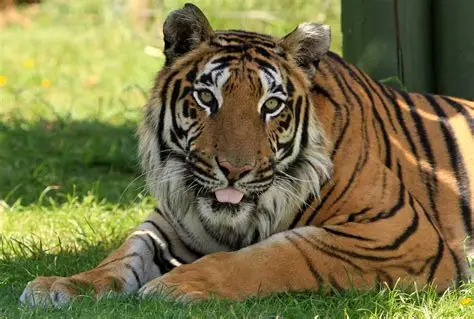
Rajasthan, often celebrated for its forts, palaces, and desert landscapes, is also a treasure trove of biodiversity. Rajasthan Wildlife Tourism has emerged as a major attraction for travelers who wish to explore the state’s rich natural heritage alongside its cultural grandeur. From the roar of tigers in Ranthambore to the migratory birds at Bharatpur, Rajasthan offers an unforgettable experience for wildlife enthusiasts, photographers, and adventure seekers.
Rajasthan is home to diverse ecosystems ranging from arid deserts to lush wetlands.
The state has more than 20 wildlife sanctuaries and national parks.
It is famous for iconic species like the Bengal tiger, leopards, desert foxes, and migratory birds.
Wildlife tourism here blends adventure with conservation, making it a unique travel experience.
Located near Sawai Madhopur, Ranthambore is one of India’s most famous tiger reserves.
Spread over 1,334 square kilometers, it is known for its tiger sightings.
Attractions include Ranthambore Fort, Padam Talao Lake, and diverse flora and fauna.
Safari options: Jeep and canter safaris conducted twice daily.
Situated in Alwar district, Sariska is another important tiger reserve.
Apart from tigers, it is home to leopards, hyenas, jackals, and sambar deer.
The reserve also houses historical sites like Kankwari Fort and ancient temples.
A UNESCO World Heritage Site, famous for migratory birds.
Over 370 species of birds, including Siberian cranes, pelicans, and painted storks.
Best explored on foot, cycle rickshaws, or bicycles.
Located near Jaisalmer, showcasing the unique desert ecosystem.
Home to the Great Indian Bustard, one of the heaviest flying birds.
Other species include desert foxes, chinkaras, and eagles.
Spread across Kota, Bundi, and Jhalawar districts.
Known for its tiger reintroduction program.
Offers scenic landscapes with rivers, hills, and forests.
Located in the Aravalli Hills, famous for its rich biodiversity.
Home to leopards, sloth bears, and a variety of orchids.
Offers trekking trails and panoramic views.
Tiger Safaris: Ranthambore and Sariska are prime destinations for tiger spotting.
Birdwatching: Keoladeo National Park is a paradise for ornithologists.
Desert Wildlife: Desert National Park offers a glimpse of rare desert species.
Leopard Trails: Jawai in Pali district is famous for leopard sightings amidst granite hills.
Cultural Blend: Many sanctuaries are located near forts and temples, offering a mix of heritage and nature.
Flora: Dry deciduous forests, thorny shrubs, desert vegetation, and aquatic plants in wetlands.
Fauna:
Mammals: Tigers, leopards, hyenas, jackals, nilgai, chinkara, and wild boars.
Birds: Siberian cranes, pelicans, eagles, vultures, and owls.
Reptiles: Monitor lizards, snakes, and crocodiles.
Insects: Butterflies and dragonflies add color to the ecosystem.
Ranthambore Fort: A UNESCO World Heritage Site within Ranthambore National Park.
Kankwari Fort: Located inside Sariska Tiger Reserve.
Jaisalmer Fort: Near Desert National Park.
Temples of Mount Abu: Famous Dilwara Jain temples near the sanctuary.
Bharatpur Palace and Museum: Close to Keoladeo National Park.
Include 2–3 safaris, accommodation, and meals.
Ideal for families and first-time visitors.
Stay in premium resorts with spa facilities.
Private safaris and personalized services.
Perfect for honeymooners and luxury travelers.
Affordable stays in guesthouses or lodges.
Shared safaris and basic amenities.
Suitable for students and backpackers.
Designed for schools and colleges.
Include workshops on wildlife conservation.
Guided tours by naturalists.
Combine wildlife tours with cultural destinations like Jaipur, Udaipur, and Jodhpur.
Offer a holistic Rajasthan experience.
Luxury Resorts: With swimming pools, spas, and fine dining.
Eco-Lodges: Promote sustainable tourism with minimal environmental impact.
Budget Hotels: Affordable options near sanctuaries.
Forest Guesthouses: Managed by the forest department, offering rustic stays.
Food is an integral part of the experience.
Rajasthani Thali: Includes dal baati churma, gatte ki sabzi, ker sangri, and bajra roti.
Local Sweets: Ghewar, malpua, and mohanthal.
Street Food: Kachori, samosa, and mirchi vada.
Resort Dining: Multi-cuisine options for international travelers.
By Air: Jaipur, Udaipur, Jodhpur, and Jaisalmer airports connect major cities.
By Rail: Well-connected railway stations near sanctuaries.
By Road: Highways link wildlife destinations to major cities.
Winter (October–March): Pleasant weather, ideal for safaris.
Summer (April–June): Hot, but animals are easier to spot near waterholes.
Monsoon (July–September): Lush greenery, though some parks may close temporarily.
Arrival at Jaipur.
Drive to Ranthambore.
Evening safari and overnight stay.
Morning safari in Ranthambore.
Visit Ranthambore Fort.
Drive to Bharatpur.
Evening birdwatching at Keoladeo National Park.
Morning cycle tour in Keoladeo.
Drive to Sariska.
Evening safari and cultural program.
Morning safari in Sariska.
Departure to Jaipur.
Rajasthan has played a vital role in conserving tigers and birds.
Eco-tourism initiatives promote sustainable travel and community involvement.
Visitors are encouraged to follow “leave no trace” principles.
Local communities benefit from tourism through handicrafts and hospitality.
Book safaris in advance, especially during peak season.
Carry binoculars and cameras for wildlife spotting.
Wear earthy-colored clothes to blend with surroundings.
Respect park rules and avoid littering.
Stay hydrated and carry light snacks.
Rajasthan Wildlife Tourism is more than just a journey into forests and deserts—it’s an exploration of India’s royal wilderness. From thrilling tiger safaris in Ranthambore to birdwatching in Bharatpur and desert adventures in Jaisalmer, Rajasthan offers a diverse wildlife experience. Whether you choose a luxury stay or a budget-friendly package, the memories of spotting majestic animals amidst historical backdrops will stay with you forever.