English
 Arabic
 French
 Spanish
 Portuguese
 Deutsch
 Turkish
 Dutch
Dutch
 Italiano
 Russian
 Romaian
 Portuguese (Brazil)
 Greek
Greek

Off the Shoulder Mini Dress The Perfect Blend of Elegance and Trend
Other |
2026-01-19 13:54:58
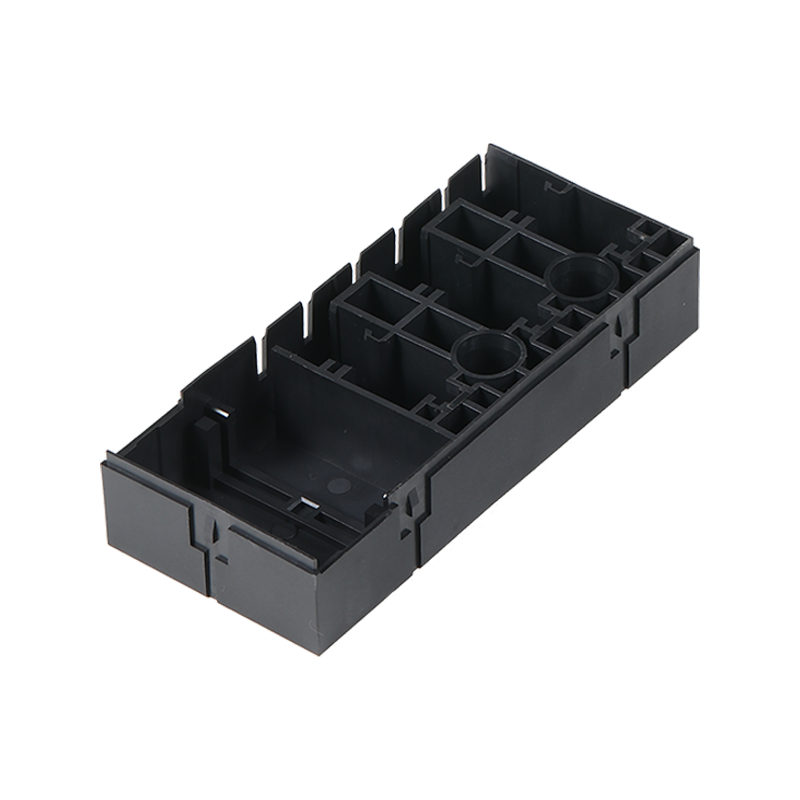
The protective action of a motor magnetic thermal overload protection relay is the result of carefully engineered internal mechanisms designed to respond to specific electrical conditions. Understanding the distinct roles and interactions of its thermal and magnetic tripping systems reveals how the device provides comprehensive coverage against different fault types. This is not a simple switch but an electromechanical instrument calibrated to differentiate between benign temporary current peaks and hazardous operating states. This analysis dissects the functional components and their response characteristics, concluding that the effectiveness of a motor magnetic thermal overload protection relay hinges on the precise calibration of its dual protective elements.
The thermal protection system is designed for sustained overloads. It operates on the principle of simulated heating. In a common design, the load current passes through a heater element located near a bimetallic strip. As current increases, the heater warms the bimetallic strip. This strip is composed of two metals with different coefficients of thermal expansion bonded together. When heated, it bends. Under a continuous overload condition, the bending continues until it physically triggers a trip mechanism, opening the relay's contacts. The time required for this action is inversely related to the current magnitude—a higher current causes faster heating and a quicker trip. This inverse time-current characteristic is crucial, as it allows a motor magnetic thermal overload protection relay to permit the high inrush current during motor startup (which lasts seconds) while still tripping on a smaller but persistent overload that would cause cumulative heating damage over minutes or hours.
The magnetic protection system operates independently and responds to short-circuit conditions. This subsystem typically involves a solenoid coil through which the load current flows. Under normal and overload conditions, the magnetic force generated is insufficient to actuate the plunger. However, during a short circuit or a severe fault where current can reach many times the motor's full-load current, the resulting intense magnetic field instantly pulls in the solenoid's plunger. This action directly releases the trip latch, causing the motor magnetic thermal overload protection relay to open without intentional delay. This instantaneous or very fast magnetic trip is essential to interrupt catastrophic currents before they can cause extensive damage to the motor windings, supply cables, or the starter contacts themselves.
Integration and adjustment are key to functionality. The two systems are mechanically linked to a common trip latch and contact assembly. The motor magnetic thermal overload protection relay is designed so that either the thermal deformation or the magnetic solenoid action can independently initiate a trip. Many relays feature an adjustable setting for the magnetic trip point, often as a multiple of the set thermal current (e.g., 5x to 12x FLC). The thermal trip current is also adjustable across a range to match the motor's nameplate full-load current. Some advanced models include ambient temperature compensation to ensure the thermal element's response remains accurate regardless of the surrounding air temperature in the control cabinet.
The motor magnetic thermal overload protection relay is a sophisticated fusion of thermal and electromagnetic physics applied to a practical safety problem. Its thermal mechanism provides a delayed, persistent defense against the slow threat of overheating, while its magnetic mechanism delivers an immediate response to the acute threat of a short circuit. Therefore, the reliability of the protection offered by a motor magnetic thermal overload protection relay depends on the correct initial setting of both trip characteristics and the integrity of its mechanical components. A properly functioning unit is a dynamic model of the motor's thermal capacity, continuously evaluating current flow and taking decisive action to isolate the motor when its safe operating limits are exceeded, demonstrating a vital electromechanical intelligence.