


What To Do When Engineered Floor Warps After Water Damage
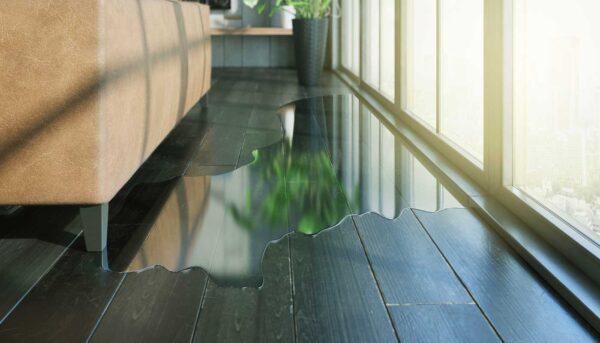
Engineered wood floors are an excellent choice for many homeowners due to their durability, aesthetic appeal, and ability to withstand environmental changes better than solid wood. However, despite their enhanced stability, engineered wood floors can still warp after water damage. This is especially true in high-humidity environments or when exposed to direct moisture from spills, leaks, or floods.
When water damage occurs, it can lead to several issues like cupping, swelling, or crowning, which are forms of warping in engineered flooring. These problems can be a significant inconvenience and can even affect the overall appearance of your floor, making it crucial to address them promptly.
In this blog, we will explore the causes of engineered wood floor warping, how to deal with it, and the steps you can take to prevent future water damage. Whether you’re dealing with moisture from leaks, high humidity, spills, or other causes, we’ll help you navigate the steps to fix the issue and maintain your flooring for years to come.
What are Engineered Floors?
Engineered floors are multi-layered flooring options designed for durability and stability. They consist of a top layer of real hardwood veneer bonded to layers of plywood or high-density fiberboard, providing enhanced resistance to moisture and temperature fluctuations. Unlike solid wood, engineered floors can be installed in various environments, including basements, and offer the natural beauty of hardwood with improved versatility and easier installation.
What Causes Engineered Floors to Warp?
1. Excessive Moisture and Humidity Changes
Excessive moisture exposure is the primary cause of engineered floor warping. When the floor absorbs water, it expands and warps. This can occur from plumbing leaks, appliance malfunctions, spills, or even high humidity in the room. Over time, prolonged exposure to moisture leads to swelling and warping, making the floor look uneven.
2. Spills and Leaks
Spills and leaks from sources like appliances, plumbing, or even weather-related flooding can saturate the engineered floor, causing moisture to be absorbed into the core. If not cleaned up immediately, this moisture can compromise the integrity of the floor. Leaks from roofs, pipes, or appliances can also contribute to the issue, leading to long-term water damage that results in warped boards.
3. Humidity Fluctuations
High or low humidity levels can significantly affect engineered floors. If the humidity is too high, the wood absorbs moisture, leading to swelling and cupping. On the other hand, low humidity can cause the wood to shrink, which can also lead to issues like cracking or gapping between boards. Maintaining a stable indoor humidity level is essential to prevent warping.
4. Temperature Changes
Extreme fluctuations in temperature can lead to moisture imbalances in engineered wood. High heat may cause the wood to shrink, while cooler temperatures may cause it to expand. Over time, this can lead to warping, especially if the floor hasn’t been acclimated properly during installation.
5. Installation Errors
Improper installation is another cause of engineered wood floor warping. If the floor is not acclimated to the room’s temperature and humidity before installation, it can absorb moisture after installation, leading to warping. Similarly, subfloor issues or incorrect fastening of the planks can also cause warping due to poor support or uneven pressure on the floor.
How to Fix Warped Engineered Floors After Water Damage
If your engineered floor has warped due to water damage, the following steps can help restore it to its original state. Keep in mind that some issues might be easily reversible with the right steps, while others may require replacing damaged sections of the floor.
1. Assess the Extent of the Damage
The first step in dealing with warped engineered flooring is assessing the damage. Look for signs of swelling, cupping (where the edges of the boards rise), or crowning (where the center of the board rises). If only a small area is affected, it may be possible to fix it without replacing entire planks. If the warping is extensive, you may need to replace several planks.
2. Dry Out the Moisture
If you notice warping shortly after water exposure, it’s essential to dry the floor as quickly as possible. Use a dehumidifier to remove excess moisture from the air and floor. If the affected area is significant, you may need to run the dehumidifier for several days to ensure the wood dries completely.
3. Control Humidity Levels
Use your HVAC system or a dehumidifier to maintain a stable humidity level in the room. Humidity should be between 30% and 50% for optimal floor health. Keeping your home’s indoor environment stable helps prevent future warping and moisture damage.
4. Repair Minor Warping with a Floor Sander
For minor warping, you may be able to sand the affected areas. A floor sander can be used to smooth out small raised spots. Sanding helps flatten the warped boards and restore the floor’s appearance. Be sure to follow the grain of the wood to maintain the natural texture of the flooring.
5. Replacing Damaged Boards
In cases where the warping is severe and cannot be fixed with sanding, the damaged boards will need to be replaced. Carefully remove the warped planks and replace them with new ones that match the existing flooring. If your floor was installed as a floating system, this may be easier. For glued-down floors, this process may require more work and professional assistance.
6. Prevent Future Warping
After dealing with the immediate damage, it’s crucial to take steps to prevent future issues. Regular maintenance is key. Clean spills immediately, keep humidity levels stable, and ensure your HVAC system is in good working condition. For homes with high humidity, consider using moisture-resistant underlayment to protect the floor from moisture.
Also explore How to Clean Engineered Wood Floors Properly with Expert Maintenance Tips.
How to Prevent Water Damage and Warping in the Future
Prevention is always better than dealing with costly repairs. Here are some tips to ensure your engineered wood flooring remains in excellent condition for years to come:
1. Immediate Leak and Spill Repairs
The longer you allow spills or leaks to remain on your floors, the greater the chance of water damage. Always clean up spills immediately, especially in high-risk areas like kitchens, bathrooms, and laundry rooms.
2. Proper Installation
Ensure that your engineered flooring is installed correctly, with proper acclimation to room temperature and humidity levels. A professional installation will account for subfloor issues and provide a foundation that supports the longevity of your floors.
3. Humidity Control
Use a dehumidifier and regulate the humidity in your home to keep it stable. This will help prevent the wood from absorbing excessive moisture or drying out, both of which can lead to warping.
4. Use Rugs in High-Traffic Areas
In areas where spills are more likely, such as near sinks or stoves, consider using area rugs to provide an extra layer of protection. Rugs can also protect the floor from heavy furniture or pet antics.
5. Install Moisture Barriers
Consider installing a moisture barrier or vapor barrier under your engineered flooring. These barriers prevent moisture from seeping up from the subfloor, offering an extra layer of protection against water damage.
Conclusion: Take Action and Protect Your Floors
When water damage leads to warped engineered floors, quick action can help save your investment. By following the steps outlined above, you can address minor issues and prevent further damage. However, severe cases may require professional help or replacing damaged planks. Regardless of the severity, taking action quickly will help you restore your floor and protect it from future moisture-related damage.
At Parma Floors, we offer a wide range of engineered hardwood flooring options designed to withstand daily wear and tear. We also provide expert advice and professional installation services to ensure your floor remains in excellent condition for years to come. If you’ve experienced moisture damage to your floors, contact us today to learn how we can help restore and maintain the beauty of your engineered wood flooring.
Frequently Asked Questions
1. How to fix warped engineered wood floors?
To fix warped engineered wood floors, remove moisture using a dehumidifier, then flatten the boards using heat from an iron and cloth. If the warping persists, replacing damaged boards or professional repair may be necessary.
2. How do you fix water-damaged engineered hardwood floors?
To fix water-damaged engineered hardwood floors, first dry the area completely. If boards have swollen, use a dehumidifier. For minor warping, use an iron to apply heat through a damp cloth. Severe damage may require board replacement.
3. Minor water damage hardwood floors can they be repaired?
Yes, minor water damage on hardwood floors can usually be repaired. Dry the affected area, use a wood filler for small cracks, and sand it smooth. Applying a fresh finish can restore the floor’s appearance and durability.
4. Will warped floors go back to normal?
Warped floors may return to their normal shape if the moisture causing the damage is fully removed. For minor warping, drying, and heat treatment can help restore the floor, but severe damage may require professional repairs or replacement.
5. Is it necessary to replace warped engineered floorboards?
No, replacing warped engineered floorboards isn’t always necessary. Minor warping can often be fixed with sanding, drying, or heat treatments. However, severe warping or damage may require replacing the affected boards for a smooth, even surface.

 English
 French
 Spanish
 Portuguese
 Deutsch
 Turkish
 Dutch
Dutch
 Italiano
 Russian
 Romaian
 Portuguese (Brazil)
 Greek
Greek