English
 Arabic
 French
 Spanish
 Portuguese
 Deutsch
 Turkish
 Dutch
Dutch
 Italiano
 Russian
 Romaian
 Portuguese (Brazil)
 Greek
Greek

How Integrated Natural Product Processing Is Creating New Value Chains for Small Farmers
Wellness |
2026-02-20 06:33:08
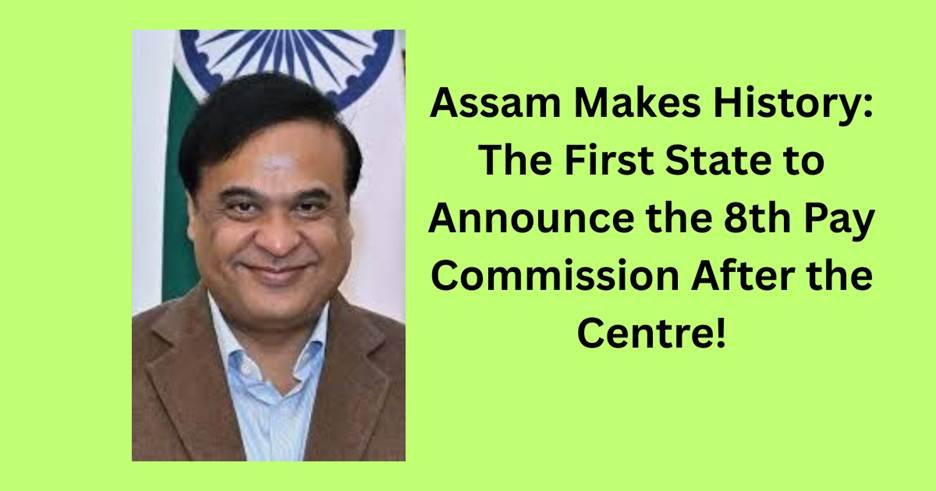
So, you know how everyone thought January 2026 would just be the magic moment when everything changes for government employees, right? Well, guess what? Assam just made history on January 1, 2026. They became the first state in India to roll out their own 8th Pay Commission, right after the Central Government did theirs. This is a huge moment for Assam and really sets a whole new precedent for other states.
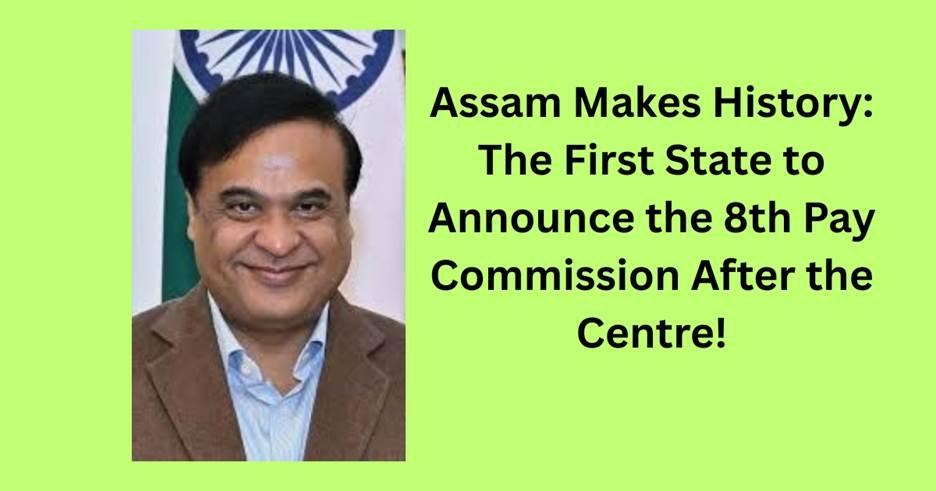
With this announcement, Assam has shown that it’s serious about making things better for its government employees. The Assam Pay Commission, led by Subhash Chandra Das, is all set to bring major changes to salaries and allowances for government employees, and it’s aligned with the new 8th Pay Commission approved by the Union Government. This move doesn’t just impact Assam’s government employees, but it could be a step toward a more unified pay structure across the country.
Why Assam’s Announcement is a Game-Changer
Assam’s announcement on January 1, 2026, is not just about numbers on a paycheck. It’s about setting a new tone for the rest of India. By rolling out its own 8th Pay Commission, Assam is basically saying, “We’re keeping up with the central government and ensuring our employees are treated fairly.” It’s a big deal for a state that has been fighting for its employees’ rights for so long. Let’s break down why this is such a big deal.
The Key Features of the Assam Pay Commission Announcement
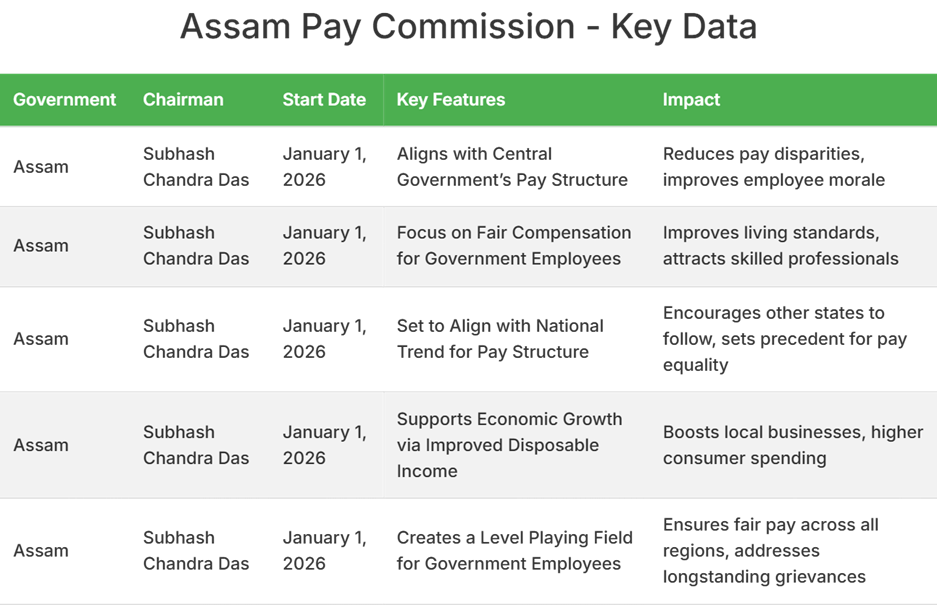
Chairman: The Commission will be chaired by Subhash Chandra Das, a respected leader with plenty of experience in handling state affairs. His leadership gives a lot of people hope that this commission will function effectively.
Timeline: The recommendations of the Assam Pay Commission are set to start being implemented from January 1, 2026, just like the Central Government’s Pay Commission. This is a big deal because it ensures that Assam’s pay structure will match the central pay matrix, creating fairness between central and state employees.
Alignment with Central Government's Pay Structure: Assam has decided to align its pay structure with the Central Government’s pay structure, which means employees in Assam will no longer be at a disadvantage compared to their central counterparts. This will help reduce pay disparities and create a more unified system across India.
Focus on Fair Compensation: The Assam Pay Commission aims to provide a fair and competitive wage system for all state employees — including teachers, healthcare workers, police officers, and more. This move will not only improve employees’ living standards but also make Assam a more attractive place for skilled professionals.
A Step Toward Improving Employee Morale: One of the main reasons for this initiative is to boost employee morale. For years, state employees in Assam, just like in other states, felt left out when central government employees got pay hikes. Now, with this announcement, Assam is aiming to level the playing field and make employees feel more valued.
Why is the Assam Pay Commission So Important?
1. Boosting the Economy of Assam
The implementation of the 8th Pay Commission in Assam is bound to have a positive effect on the local economy. With more money in the hands of government employees, there will be more consumer spending, which will in turn boost local businesses. Higher salaries will give employees more financial stability, leading to higher demand for goods and services.
2. Setting a Precedent for Other States
Assam’s move to implement the 8th Pay Commission before any other state sends a strong message to the rest of India: If Assam can do it, why can’t other states? This could encourage other states to adopt similar pay structures, ensuring fairness across the country. This could mark the beginning of a nationwide shift in how states handle pay for their government employees.
3. Political Implications for Assam
This decision could have huge political consequences for Assam’s ruling party. By pushing for a pay commission that benefits workers and aligns with the central government’s efforts, Assam is building a reputation as a progressive state. This could be a key talking point in upcoming elections, especially since it directly affects a large portion of the population.
4. Equality for Government Employees Across India
The most important aspect of Assam’s move is that it’s setting the stage for equal pay for equal work across the country. Right now, there are significant pay disparities between employees in different states, even if they’re doing the exact same job. Assam’s pay commission is aiming to fix that, so employees will be paid the same regardless of where they work.
5. Addressing Longstanding Employee Grievances
For years, employees in Assam have been raising concerns about pay disparities and delayed pay revisions. The launch of the 8th Pay Commission represents a victory for those employees who have been voicing their concerns. It’s a win for employee welfare and is expected to improve the working conditions of government employees across the state.
What Are the Next Steps for the Assam Pay Commission?
While the announcement is historic, it will take time for the pay revisions to be fully implemented. The Commission’s recommendations will need to be reviewed to make sure they meet the needs of all employees. Also, the financial impact of the pay revisions will need to be calculated, as these changes will affect the state budget.
Assam will also likely conduct public consultations, allowing citizens and employee unions to voice their opinions. This will ensure that the new pay commission system is effective and sustainable in the long term.
Conclusion: A Historic Move Toward Salary Parity Across India
The announcement of the Assam Pay Commission is a game-changing decision that could pave the way for other states to follow suit. By aligning its pay structure with the Central Government’s, Assam has made a bold statement about its commitment to fair pay, employee welfare, and economic growth.
This move is more than just about raising salaries — it represents a shift toward salary equity across India. Assam has shown that it’s ready to embrace a new era of governance where employee well-being is at the forefront.
Now that Assam has made the first move, the big question is: Will other states follow suit? Only time will tell, but one thing is certain — Assam has set a high bar, and it could change the economic landscape of India for the better.