


How MRO Meaning in Supply Chain Improves Efficiency and MTBF Insight
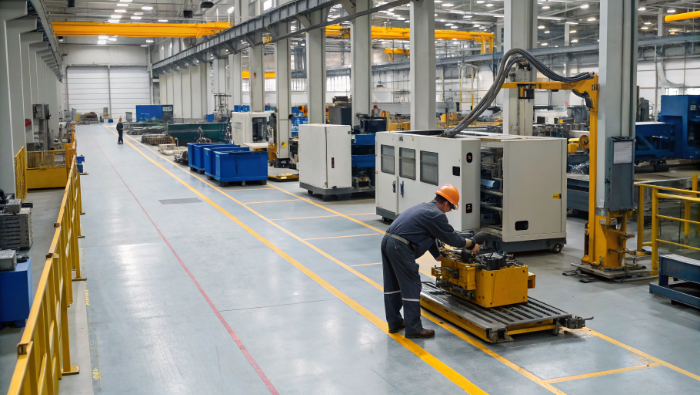
In every business that makes products or runs machinery, keeping things working is very important. This is where MRO comes in. But what does MRO mean in the supply chain? MRO stands for Maintenance, Repair, and Operations’. It includes all the materials, tools, and services needed to keep machines and equipment running smoothly. These are things that are not part of the final product but are essential to keep production going.
Understanding MRO in the supply chain helps businesses plan, track, and use resources more efficiently. It also connects closely with something called MTBF, which helps predict how long equipment will run without breaking. In this article, we will explain MRO in the supply chain, how it improves efficiency, and how it gives insight into MTBF.
What MRO Means in Supply Chain
When people ask, “What does MRO mean in supply chain?” they want to know how companies manage all the parts and supplies that keep machines working. MRO items include things like
-
Screws, bolts, and fasteners
-
Lubricants and cleaning supplies
-
Safety gear for workers
-
Spare parts for machines
-
Tools needed for repairs
These items are not sold as part of the final product. Instead, they are used to make sure operations continue without problems. Companies that ignore MRO can face downtime, lost money, and slower production.
MRO in the supply chain is about more than just keeping parts on the shelf. It is about planning, tracking, and managing these items so they are available when needed. This planning helps companies avoid delays, reduce waste, and keep workers productive.
How MRO Improves Efficiency
Efficiency is all about doing work faster and better without wasting resources. MRO plays a big role in improving efficiency because it ensures the right tools and parts are available at the right time. Here’s how:
1. Reducing Downtime
Downtime happens when machines stop working because parts or tools are missing. If companies track MRO supplies correctly, they can replace worn-out parts before machines break down. This prevents unexpected stops, which saves time and money.
2. Organizing Inventory
Managing MRO in the supply chain means keeping a proper inventory. Companies know which parts they have, which are running low, and which are about to expire. This stops overbuying and underbuying. With better inventory control, workers can find what they need quickly and finish tasks faster.
3. Faster Repairs
When equipment fails, quick repairs are needed to avoid delays. Having MRO items ready means repair teams don’t waste time searching for parts. They can fix machines faster and get production running again.
4. Better Resource Use
MRO management helps companies use their tools, supplies, and workforce wisely. For example, knowing which lubricants are needed for each machine ensures nothing goes to waste. Workers spend less time waiting for materials, making them more productive.
5. Cost Savings
Efficient MRO management reduces unnecessary spending. Companies don’t need to buy extra supplies, pay for emergency shipping, or stop production because of missing parts. This saves money and keeps operations smooth.
What MTBF Means and Why It Matters
Now that we understand MRO, let’s connect it to MTBF. Many people ask, “What does MTBF mean?” MTBF stands for Mean Time Between Failures. It measures the average time a machine works before it breaks down.
For example, if a machine runs for 200 hours before needing repairs, its MTBF is 200 hours. The higher the MTBF, the more reliable the machine.
MTBF is important because it helps businesses:
-
Predict when a machine might fail
-
Plan preventive maintenance
-
Schedule repairs in advance
-
Reduce unplanned downtime
By knowing the MTBF, companies can make better decisions about when to order MRO supplies and when to perform maintenance, which keeps efficiency high.
How MRO Improves MTBF Insight
MRO and MTBF are closely connected. Proper MRO management helps improve MTBF insight in these ways:
1. Tracking Maintenance History
When companies track all MRO usage, they can see which parts wear out first and which repairs happen most often. This history shows patterns and helps estimate MTBF more accurately.
2. Scheduling Preventive Maintenance
MRO management ensures that all spare parts and tools are ready for preventive maintenance. Scheduled maintenance helps machines run longer without breaking, which directly improves MTBF.
3. Reducing Emergency Repairs
If MRO is poorly managed, companies face emergency repairs when machines fail unexpectedly. These emergencies are costly and reduce efficiency. By using MRO properly, companies reduce emergencies, making MTBF calculations more reliable.
4. Predicting Equipment Life
MRO data shows which parts fail first and how often repairs are needed. This information gives insights into the life expectancy of equipment, helping businesses plan replacements and upgrades better.
5. Data-Driven Decisions
Companies can combine MRO tracking with MTBF data to make smarter decisions. For example, if a machine has a low MTBF, managers can schedule more preventive maintenance or buy higher-quality parts to improve reliability.
Real-Life Examples of MRO and MTBF Benefits
Let’s see how companies use MRO and MTBF in real life:
Example 1: Manufacturing Plant
A factory uses machines to produce car parts. By managing MRO supplies like lubricants, belts, and spare motors, the factory reduces machine stoppages. Tracking MTBF shows which machines fail most often. This data helps the factory schedule maintenance before machines break, keeping production smooth.
Example 2: Hospital Facilities
Hospitals rely on medical equipment every day. Proper MRO supply of spare parts and maintenance tools ensures machines like MRI scanners are ready when needed. MTBF insight helps hospitals plan maintenance without interrupting patient care.
Example 3: Warehouse Operations
Warehouses use forklifts and conveyor systems. Managing MRO parts like tires, batteries, and hydraulic fluids ensures equipment works reliably. MTBF data tells managers when to replace parts before failure, reducing downtime and lost orders.
Steps to Improve Efficiency Using MRO and MTBF
Businesses can follow these steps to use MRO and MTBF effectively:
-
Identify MRO Items: List all spare parts, tools, and maintenance materials.
-
Track Usage: Record when each part is used and when repairs happen.
-
Monitor MTBF: Calculate the average time between failures for key equipment.
-
Schedule Preventive Maintenance: Use MTBF data to plan repairs before failure.
-
Optimize Inventory: Keep enough MRO supplies without overstocking.
-
Analyze Data: Look for patterns to improve efficiency and reduce costs.
-
Continuous Improvement: Update schedules, supplies, and equipment based on insights.
Conclusion
MRO meaning in supply chain is all about keeping machines, tools, and supplies ready so work does not stop. When businesses manage MRO properly, they improve efficiency, reduce downtime, and save costs.
MTBF, or Mean Time Between Failures, helps predict how long machines will run before breaking. Using MRO data to track MTBF gives businesses the insight they need to schedule preventive maintenance, reduce emergency repairs, and plan inventory better.
Together, MRO and MTBF create a strong system for running operations efficiently. Companies that focus on these practices see fewer machine failures, faster repairs, and lower costs. Understanding and using MRO in the supply chain is not just smart—it is essential for modern businesses that want to stay competitive and reliable.
Don’t let costly downtime slow you down. With MicroMain, understanding MRO meaning supply chain transforms your operations, boosts efficiency, and gives MTBF insights that protect your business’s future. Act now!
Frequently Asked Questions
1. What does MRO mean in the supply chain?
MRO stands for Maintenance, Repair, and Operations. It means all the items, tools, and services a company uses to keep machines and buildings working, even though these materials aren’t part of the products sold.
2. Why is MRO important in supply chain management?
MRO is important because it helps keep machines running without stopping, reduces costly breakdowns, and makes work smoother by having the needed parts ready when needed.
3. What is MTBF in simple terms?
MTBF means “Mean Time Between Failures,” which is the average time a machine or system works before it breaks down and needs fixing.
4. How do companies use MTBF?
Companies use MTBF to plan when to check or fix machines so they fail less often and work longer without stopping.
5. How is MTBF calculated?
MTBF is found by counting how many hours the equipment worked and dividing that by how many times it broke, giving the average time between failures.

 English
 Arabic
 French
 Portuguese
 Deutsch
 Turkish
 Dutch
Dutch
 Italiano
 Russian
 Romaian
 Portuguese (Brazil)
 Greek
Greek