English
 Arabic
 French
 Spanish
 Portuguese
 Deutsch
 Turkish
 Dutch
Dutch
 Italiano
 Russian
 Romaian
 Portuguese (Brazil)
 Greek
Greek

ITIL Framework Explained A Practical Guide to Smarter IT Service Management
Party |
2026-01-25 08:43:52
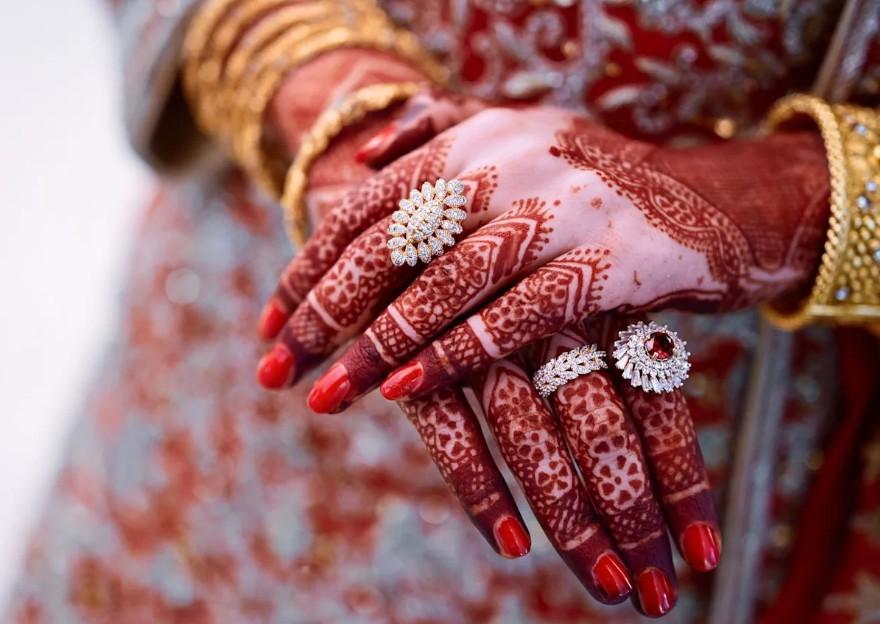
Henna quality is often judged by one key factor: its lawsone content. Lawsone is the natural dye molecule found in henna leaves that produces the rich orange, red, or brown stain on skin and hair. When comparing popular henna varieties like Rajasthani and Jamila henna, the discussion almost always comes down to differences in lawsone percentage, staining strength, and consistency. Understanding these differences is essential for artists, learners, and professionals who want reliable results and high-quality designs.
Lawsone, scientifically known as 2-hydroxy-1,4-naphthoquinone, is the pigment responsible for henna’s staining power. The higher the lawsone content, the deeper and longer-lasting the stain tends to be. However, lawsone percentage is influenced by several factors, including climate, soil quality, harvesting time, and processing methods.
Henna leaves grown in hotter, drier regions typically produce higher lawsone levels. This is why henna sourced from specific regions has gained global recognition. For professional henna artists, knowing how lawsone works helps in choosing the right henna for different skin tones, climates, and design styles. These fundamentals are often taught in structured programs like a Henna Course Online, where students learn not only application techniques but also ingredient science.
Rajasthani henna, sourced from the arid regions of Rajasthan in India, is widely regarded for its strong staining properties. On average, high-quality Rajasthani henna contains a lawsone percentage ranging between 2.5% and 3.5%. This relatively high concentration results from the intense heat and dry soil conditions in which the henna plants grow.
Because of its robust lawsone content, Rajasthani henna is known for producing deep, dark stains that develop quickly. This makes it especially popular for bridal henna, festival designs, and professional use where rich color payoff is essential. However, due to its strength, it may require more precise mixing and timing to avoid overly dark or uneven results. Understanding how to balance these factors is a skill developed through experience and proper training.
Jamila henna, traditionally cultivated in Pakistan, is known for its finely sifted texture and consistency rather than extreme staining strength. Its lawsone content typically falls between 2.0% and 2.8%, slightly lower than that of Rajasthani henna. While the difference may seem small on paper, it can noticeably affect stain development and final color.
Jamila henna produces smooth, predictable stains that develop evenly over time. This makes it a favorite among beginners and artists who value control and precision. The slightly lower lawsone percentage allows for more forgiving application, especially in intricate designs. Many artists choose Jamila henna for practice, workshops, or clients who prefer softer, more natural-looking stains.
The difference in lawsone percentage between Rajasthani and Jamila henna directly impacts how each behaves during application and stain development. Rajasthani henna tends to oxidize faster, producing darker stains within 24 to 48 hours. Jamila henna, on the other hand, often develops more gradually, reaching peak color after 48 to 72 hours.
Texture also plays a role in how the lawsone interacts with the skin. Jamila henna is often more finely milled, allowing smoother lines and easier cone flow. Rajasthani henna may feel slightly coarser but compensates with deeper color payoff. Choosing between the two depends on the artist’s style, client needs, and environmental conditions. These decision-making skills are commonly explored in a professional Henna Course, where learners experiment with different henna types to understand their unique characteristics.
Selecting between Rajasthani and Jamila henna is not about which is better, but which is more suitable for a specific purpose. If the goal is intense, dark staining for weddings or special occasions, Rajasthani henna’s higher lawsone content makes it a strong choice. For everyday designs, workshops, or beginner practice, Jamila henna offers consistency and ease of use.
Climate and client skin type also influence the choice. In humid environments, a slightly lower lawsone percentage may provide better control. On dry or darker skin tones, higher lawsone henna may be preferred for visibility. Learning to assess these factors ensures professional-level results and reduces the risk of disappointment or uneven stains.
Understanding lawsone percentages is part of a broader knowledge base that separates hobbyists from professionals. True expertise in henna requires knowledge of plant chemistry, sourcing, storage, mixing ratios, and aftercare. Without this foundation, even high-quality henna can produce inconsistent results.
Structured learning through a Henna Course Online helps artists build confidence in both technical and creative aspects. Such courses often cover henna varieties, lawsone behavior, safety standards, and design techniques. By combining scientific understanding with artistic practice, learners can offer reliable, high-quality henna services regardless of the henna type they choose.
The lawsone percentage difference between Rajasthani and Jamila henna may only be a fraction, but its impact on stain depth, timing, and application control is significant. Rajasthani henna offers higher lawsone levels and bolder stains, while Jamila henna provides smoother application and predictable results. Knowing how and when to use each type allows artists to elevate their work and meet diverse client expectations.