


What Are the Biggest Safety Challenges Inside Medical Facilities?
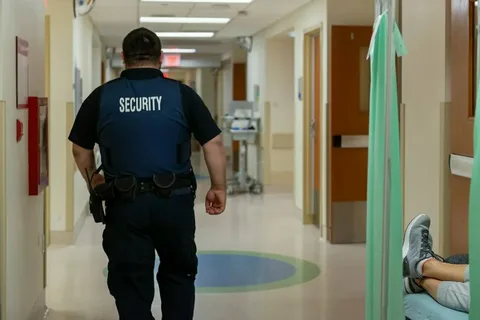
Maintaining a secure environment in healthcare settings is a multifaceted challenge that requires constant vigilance. For administrators in urban centers, managing the daily risks associated with high-volume patient intake and public accessibility is a top priority. Utilizing professional Hospital and Nursing Home Security Services, Bronx, NY, is one of the most effective ways to address these localized threats while ensuring that the facility remains a sanctuary for healing. From the emergency room to the long-term care wing, safety protocols must be as precise as the medical treatments provided.
1. Addressing Workplace Violence in Healthcare
One of the most pressing safety concerns today is the rise of physical and verbal aggression against medical staff. Nurses and doctors often face volatile situations in high-stress areas like the ER or psychiatric units.
- Risk Mitigation: Implementing healthcare facility physical security measures, such as panic buttons and restricted access zones, is vital.
- De-escalation Experts: Trained guards who understand patient psychology can intervene in "Code Grey" situations before they escalate into physical harm.
- Patient Safety Monitoring: It is not just about the staff; ensuring that patients do not harm themselves or others is a core component of modern medical facility protection services.
2. Preventing Elopement in Senior Care
In assisted living and memory care units, the risk of "patient elopement"—where a resident with dementia or Alzheimer’s leaves the facility unattended—is a major liability.
Midwestern Security Services specializes in creating "invisible" perimeters. This involves a combination of electronic access control systems and physical patrols. By monitoring exits and utilizing modern surveillance, facilities can prevent tragic incidents while allowing residents to maintain a sense of freedom within the safe zones of the building.
3. The Threat of Drug Diversion and Theft
Hospitals house massive inventories of narcotics and high-value medical technology. The theft of controlled substances, often referred to as drug diversion, is a significant internal and external threat.
To combat this, comprehensive hospital security programs focus on:
- Strict Access Control: Limiting pharmacy access to authorized personnel via biometric or keycard systems.
- Surveillance Integration: Using high-definition cameras to monitor medication dispensing stations.
- Asset Tracking: Preventing the theft of expensive diagnostic tools and surgical equipment through routine audits and exit screening.
4. Managing Public Access and Urban Vulnerabilities
Medical facilities are unique because they must remain open to the public 24/7. This openness can be exploited by individuals looking for shelter, those with criminal intent, or people caught in domestic disputes.
In high-density areas, the presence of Hospital and Nursing Home Security Services, Bronx, NY, provides a necessary deterrent. Urban healthcare security requires a different mindset—one that accounts for street-level crime and ensures that the facility’s parking garages, loading docks, and side entrances are not used as unauthorized entry points.
5. Fire Safety and Emergency Evacuation
Unlike a standard office building, a hospital cannot be easily cleared during a fire or gas leak. Many patients are immobile, on life support, or in the middle of sterile procedures.
- Life Safety Compliance: Security teams must be experts in fire Marshall regulations and "defend in place" strategies.
- Disaster Preparedness: Whether it is a natural disaster or a power failure, 24/7 medical guard services are responsible for guiding staff through emergency checklists and ensuring backup generators and oxygen supplies remain secure.
6. Infant and Pediatric Security
The threat of infant abduction or pediatric "stranger danger" is a nightmare scenario for any medical administrator. Security in these wards must be airtight.
Advanced pediatric ward security protocols include the use of electronic bracelets that trigger alarms if an infant is moved toward an exit. However, technology alone isn't enough; having a physical security presence to verify the identity of visitors and monitor maternity ward access is the only way to ensure total peace of mind for new parents.
7. Biohazard and Hazardous Material Control
Safety inside a medical facility also involves the containment of biological threats. Unauthorized access to labs or waste disposal areas can lead to the accidental release of infectious materials.
Professional security teams assist in:
- Restricted Zone Enforcement: Keeping unauthorized visitors away from biohazard storage.
- Crowd Management during Outbreaks: Ensuring that quarantine protocols are respected and that staff can work without interference during public health crises.
Conclusion: A Culture of Safety
The challenges mentioned above are not static; they evolve with technology and social changes. Protecting a medical facility requires a proactive approach that blends human intuition with advanced technology. By partnering with experts who provide specialized healthcare guarding, facilities can focus on their primary mission: saving lives.
Midwestern Security Services remains committed to providing tailored solutions that meet the rigorous demands of the healthcare industry, ensuring that every hallway, ward, and waiting room remains a safe environment for everyone.

 English
 Arabic
 French
 Spanish
 Portuguese
 Deutsch
 Turkish
 Dutch
Dutch
 Italiano
 Russian
 Romaian
 Greek
Greek