


The Ultimate Checklist for Builders Initial & Final Clean
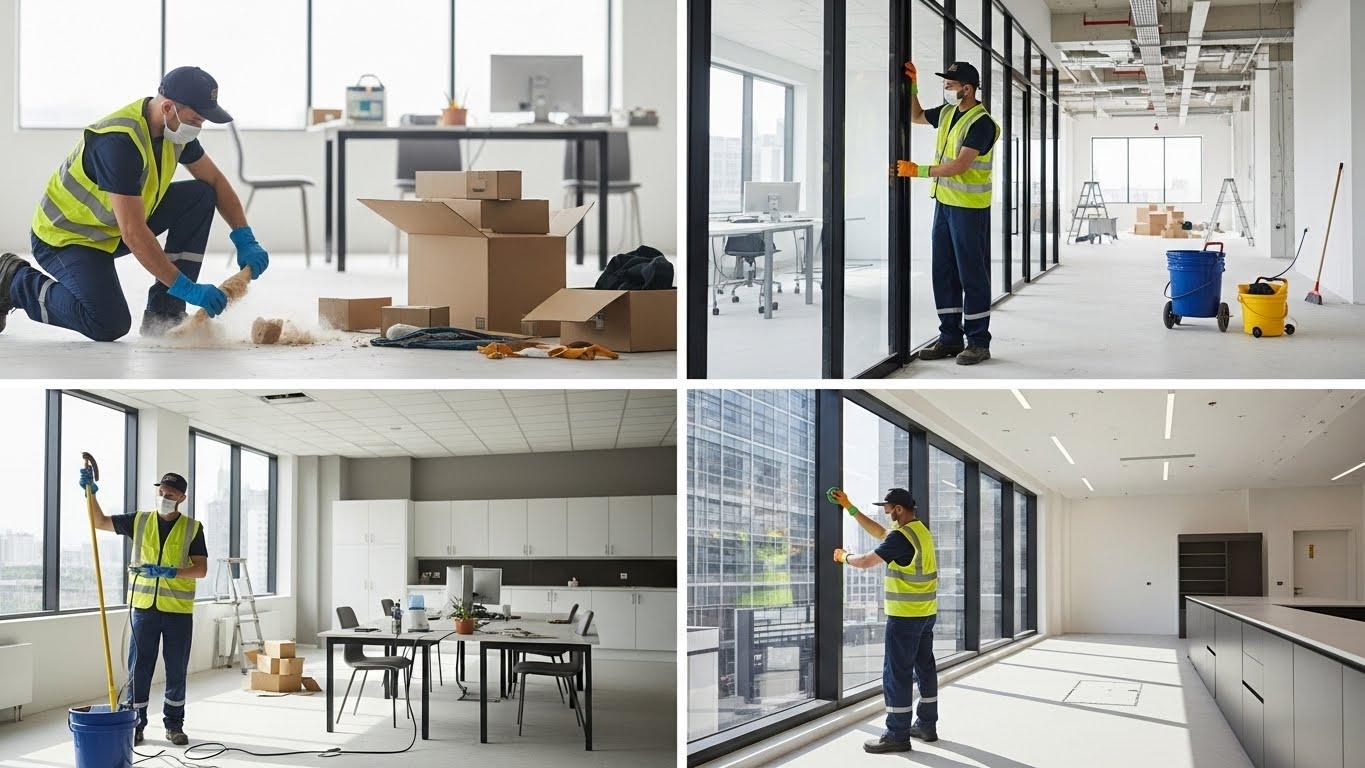
Completing a construction project isn’t just about finishing the build—it’s also about delivering a safe, hygienic, and polished space. For builders, following a detailed initial and final clean checklist ensures that every area, surface, and fixture is professionally prepared for handover. Using a checklist streamlines workflow, reduces missed areas, protects finishes, and guarantees client satisfaction. In busy construction sites, this planning also improves efficiency, minimizes accidents, and ensures compliance with health and safety regulations. From debris removal during active trades to the final polish before inspection, a systematic approach ensures the project is presented in the best possible light.
Understanding Builders Initial & Final Clean
The initial clean is carried out during the construction phase while trades are still working on-site. Its purpose is to remove loose debris, dust, packaging, and leftover materials to maintain a safe and accessible work environment. On the other hand, the final clean takes place after all trades have completed their work. It focuses on making the property ready for handover, including polishing, sanitizing, and detailed surface cleaning. Both stages are critical for safety, workflow efficiency, and professional presentation. Using a structured checklist ensures no area is overlooked, protects finishes from accidental damage, and guarantees a polished space for client inspections. A proper understanding of these stages allows builders to schedule cleaning efficiently and maintain high-quality standards across residential or commercial projects.
Preparing Sites for Initial & Final Cleaning
Proper preparation is the foundation for a successful builders initial and final clean. Before starting, the site must be assessed for hazards, unfinished trades, and areas requiring special attention. Loose debris, sharp objects, and leftover packaging should be removed or marked to prevent accidents. Cleaning staff must be equipped with personal protective equipment (PPE) and follow safety protocols. Scheduling cleaning around ongoing trades prevents interference and reduces the risk of damage to newly installed surfaces. Preparation also includes ensuring that the right equipment and cleaning agents are available. For example, sensitive surfaces like timber, stone, or glass require specialized cleaning solutions. By preparing the site properly, builders and cleaning teams can follow the checklist systematically, reduce inefficiencies, and ensure that all critical areas are addressed. This step is especially crucial in busy commercial construction projects where multiple trades and overlapping schedules can complicate the cleaning process.
Key Tasks for Builders Initial Clean
The initial clean focuses on improving safety and accessibility while construction is ongoing. Key tasks include sweeping and vacuuming floors, removing packaging, clearing debris, wiping down surfaces, and securing fixtures and appliances from dust or damage. It also involves identifying areas prone to heavy dust accumulation and cleaning them to prevent workflow interruptions. For busy commercial sites, this stage ensures trades can operate efficiently without hazards in high-traffic zones. Proper documentation through a checklist guarantees that nothing is overlooked. Protecting installed materials, such as cabinets, tiles, and glass, prevents costly damage and ensures a smoother final clean. Additionally, the initial clean provides an opportunity to detect defects or unfinished work early, allowing corrections to be made before final inspections. This proactive approach not only maintains safety but also supports the overall quality and professionalism of the project, setting the stage for a polished handover.
Key Tasks for Builders Final Clean
The final clean is a detailed, meticulous process that transforms a construction site into a polished, ready-to-use space. Tasks include dusting all surfaces, polishing glass and windows, cleaning tiles, grout, and floors, sanitizing bathrooms and kitchens, and wiping cabinetry, doors, and skirting boards. Fixtures, appliances, and hardware are polished to remove fingerprints, adhesive residues, or smudges. This stage ensures the property is hygienic, safe, and visually appealing for inspections or occupancy. A thorough checklist ensures that every area is addressed systematically, reducing the risk of missed tasks. For busy commercial projects, final cleaning also improves client confidence and satisfaction, leaving a professional impression. Following a detailed checklist during this stage helps maintain consistent quality across the site, ensuring that all surfaces, from high-traffic areas to hidden corners, are spotless and ready for handover.
Specialized Areas in Builders Cleaning
Certain areas require extra attention during both initial and final cleans. Bathrooms, kitchens, glass surfaces, tiles, and high-end flooring are especially sensitive. Specialized finishes like timber, marble, or stainless steel need appropriate cleaning agents and techniques to avoid damage. Including these in a checklist ensures that no area is neglected and that every surface meets professional standards. For commercial projects, attention to specialized areas enhances the overall perception of quality and professionalism. Ignoring these areas can lead to client dissatisfaction and potential damage claims. Professional cleaners are trained to handle these surfaces safely, maintaining hygiene and aesthetics. By planning for specialized areas in the checklist, builders can prevent costly mistakes and deliver a polished, high-quality space that meets client expectations and industry standards.
Scheduling Builders Initial & Final Clean
Timing is critical when scheduling initial and final cleans. The initial clean should be done after major trades complete messy work, such as plastering or painting, while the final clean should occur after all trades, deliveries, and touch-ups are complete. Proper scheduling prevents rework, protects surfaces, and ensures the property is ready for handover on time. A clear schedule also allows cleaning teams to coordinate with project managers and trades efficiently, minimizing workflow disruptions. Using a checklist to define cleaning milestones ensures accountability, streamlines tasks, and guarantees that each area is addressed systematically. Busy sites benefit from planning cleaning around trade schedules, deliveries, and inspections to avoid conflicts and maintain efficiency. Proper scheduling is key to a smooth, professional handover.
Ensuring Safety During Builders Cleaning
Safety is paramount on busy construction sites. Debris, chemicals, sharp objects, and dust can pose hazards during both initial and final cleaning. Cleaning staff must use PPE, follow safety protocols, and avoid active construction areas whenever possible. Incorporating safety checks into a builders cleaning checklist ensures hazards are identified and addressed before starting work. Safe scheduling reduces accidents, protects workers and other trades, and maintains compliance with occupational health and safety regulations. Professional cleaning teams also train staff to handle equipment and cleaning agents correctly, reducing risks further. By prioritizing safety during cleaning, builders protect both personnel and the property while maintaining efficiency and workflow.
Benefits of Using a Builders Cleaning Checklist
A structured builders initial and final clean checklist provides numerous benefits. It ensures all areas are addressed systematically, improving efficiency and reducing errors. Initial cleaning protects workers and surfaces during ongoing construction, while final cleaning guarantees a polished, professional handover. Checklists also help coordinate multiple teams on large commercial projects, ensuring consistency across floors, rooms, and common areas. They reduce stress for project managers, minimize the risk of missed tasks, and maintain high standards that impress clients. Using a checklist also allows builders to document cleaning milestones, making quality control and accountability easier to manage. Ultimately, it helps deliver a safe, hygienic, and visually appealing property on time.
Professional Builders Cleaning Services
For busy construction sites, hiring professional cleaning services ensures both initial and final cleans are completed efficiently. Expert teams bring specialized equipment, trained staff, and experience handling construction dust, adhesives, and delicate finishes. Companies like Construction Cleaning follow detailed checklists to ensure consistent, high-quality results. Outsourcing cleaning saves time, reduces stress, protects surfaces, and guarantees a polished, ready-to-use property for handover. Professional services also allow builders to focus on completing trades while maintaining high standards, making them a vital part of modern construction projects.
Conclusion
Using a structured builders initial and final clean checklist ensures safety, efficiency, and a professional handover. By addressing debris removal, polishing, sanitization, and specialized surfaces, builders can protect finishes, reduce risks, and create a space ready for inspection or occupancy. For busy commercial and residential projects, following a systematic checklist improves workflow, maintains hygiene, and delivers a polished property that leaves a positive impression on clients, tenants, and stakeholders.

 English
 French
 Spanish
 Portuguese
 Deutsch
 Turkish
 Dutch
Dutch
 Italiano
 Russian
 Romaian
 Portuguese (Brazil)
 Greek
Greek