


Hair transplant for alopecia in Dammam
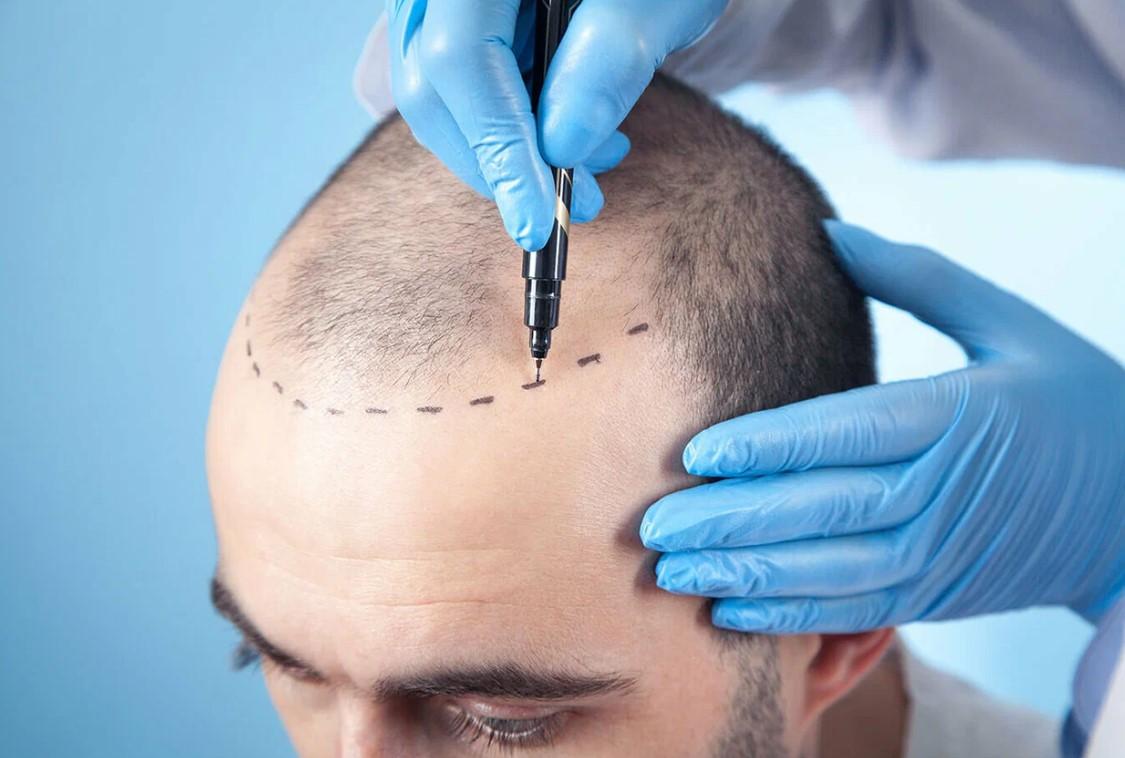
Alopecia, or hair loss, is a condition that can affect men and women of all ages, leading to thinning hair or bald patches on the scalp. In Dammam, hair transplant procedures have become a popular solution for individuals seeking a permanent and natural-looking way to restore hair. Understanding the types of alopecia, treatment options, and post-transplant care is essential for achieving optimal results. Hair transplant in Dammam has become a popular solution for individuals looking to restore hair density and improve their overall appearance.
1. Understanding Alopecia
Alopecia is a general term for hair loss, and it has several forms:
-
Androgenetic alopecia: Also known as male or female pattern baldness, it is the most common form, caused by genetics and hormonal factors.
-
Alopecia areata: An autoimmune disorder leading to patchy hair loss. Hair may regrow spontaneously but sometimes requires medical or surgical intervention.
-
Cicatricial alopecia: Hair loss due to scarring from injury, burns, or inflammatory scalp conditions.
-
Telogen effluvium: Temporary hair shedding often triggered by stress, illness, or hormonal changes.
Identifying the type of alopecia is crucial because not all forms respond equally to hair transplant procedures. For instance, active alopecia areata may require stabilization before surgery.
2. Suitability for Hair Transplant
Hair transplant for alopecia is generally recommended for individuals with:
-
Stable hair loss: Patients whose hair loss has plateaued are ideal candidates.
-
Sufficient donor hair: Healthy follicles in the back or sides of the scalp are needed for transplantation.
-
Good overall health: Conditions like uncontrolled diabetes, autoimmune disorders, or active infections may affect graft survival and healing.
A thorough evaluation by a qualified surgeon in Dammam helps determine if a hair transplant is appropriate and which technique will deliver the best results.
3. Hair Transplant Techniques for Alopecia
Two primary methods are commonly used:
A. Follicular Unit Extraction (FUE)
-
Individual hair follicles are extracted and implanted into thinning or bald areas.
-
Minimal scarring allows patients to maintain short hairstyles.
-
Ideal for patients with patchy or localized alopecia, where precise placement of follicles is needed.
B. Follicular Unit Transplantation (FUT)
-
A strip of scalp is removed from the donor area and dissected into individual grafts for transplantation.
-
Provides a larger number of grafts in a single session, suitable for extensive hair loss.
-
Leaves a linear scar that can be concealed under longer hair.
The choice between FUE and FUT depends on the extent of alopecia, donor hair availability, and patient preferences.
4. Planning the Procedure
For alopecia patients, careful planning is critical:
-
Assessing the donor area: Ensuring there are enough healthy follicles to cover affected areas.
-
Hairline and density design: Surgeons design hair placement to create a natural look that blends with existing hair.
-
Gradual restoration: Multiple sessions may be needed for extensive alopecia to achieve optimal density without overloading the scalp.
Personalized planning ensures that results are both effective and aesthetically pleasing.
5. Recovery and Post-Operative Care
Post-transplant care is essential for graft survival:
-
Initial healing: Redness, mild swelling, and small scabs are common in the first week.
-
Shock loss: Some transplanted and existing hairs may shed temporarily within 2–6 weeks, which is normal.
-
New hair growth: Transplanted follicles begin to produce new hair around 3–4 months post-surgery, with visible results by 6–9 months.
-
Care tips: Avoid scratching, sun exposure, or strenuous activity during the first few weeks. Follow surgeon instructions for washing and medication.
Proper care ensures that transplanted follicles thrive and produce healthy hair.
6. Complementary Treatments
Hair transplant for alopecia can be enhanced with additional therapies:
-
Medications: Minoxidil or finasteride can slow further hair loss and support transplanted hair.
-
Platelet-Rich Plasma (PRP): Stimulates dormant follicles and improves graft survival.
-
Low-level laser therapy: Increases blood flow to the scalp and encourages hair growth.
These treatments may be particularly useful in patients with diffuse alopecia or early-stage hair loss in non-transplanted areas.
7. Expected Results
-
Natural density: Transplanted hair blends with existing hair to restore a fuller appearance.
-
Permanent solution: Hair from the donor area is resistant to future hair loss, providing lasting results.
-
Gradual improvement: Hair growth develops over several months, requiring patience and adherence to post-operative care.
Results vary based on individual factors, including age, hair type, and severity of alopecia.
8. Choosing the Right Surgeon and Clinic in Dammam
Selecting an experienced surgeon is critical for successful outcomes:
-
Verify qualifications and experience in hair transplantation.
-
Review before-and-after photos of patients with similar alopecia types.
-
Ensure the clinic follows modern hygiene protocols and provides personalized care.
-
Discuss risks, recovery, and expected outcomes to set realistic expectations.
A skilled surgeon tailors the procedure to the patient’s needs, ensuring natural-looking and lasting results.
Conclusion
Hair transplant for alopecia in Dammam is a highly effective solution for restoring hair density and appearance. Understanding the type of alopecia, evaluating suitability, choosing the appropriate technique, and following post-operative care instructions are key to achieving successful results. When combined with complementary therapies and performed by an experienced surgeon, hair transplantation can help patients regain both hair and confidence, offering a permanent solution to alopecia-related hair loss.

 English
 Arabic
 French
 Spanish
 Deutsch
 Turkish
 Dutch
Dutch
 Italiano
 Russian
 Romaian
 Portuguese (Brazil)
 Greek
Greek