


Rhinoplasty in Riyadh: Revision Nose Job Guide
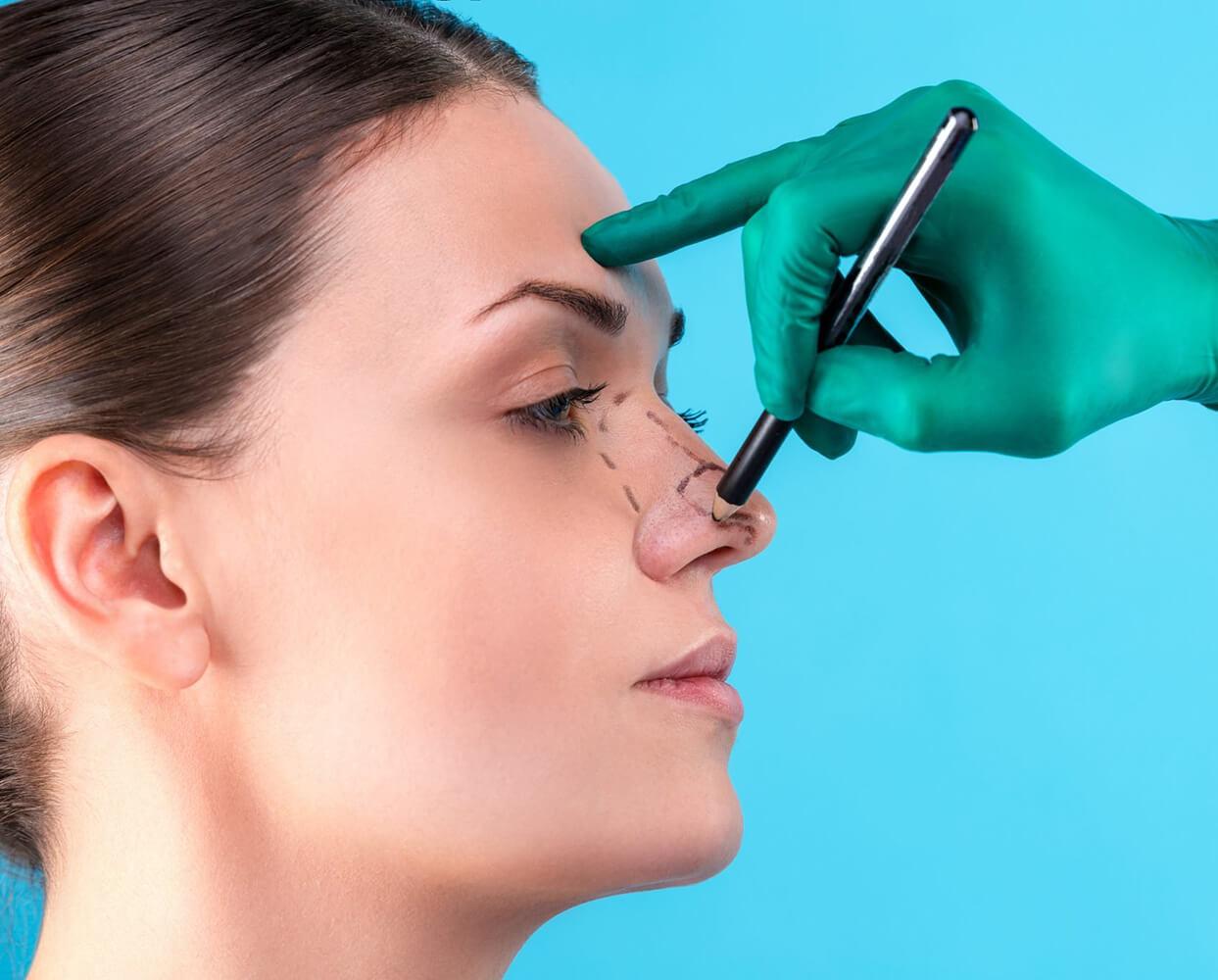
A revision rhinoplasty, often called a “revision nose job,” is a second surgery performed to correct or improve the results of a previous rhinoplasty. In Riyadh, more people are seeking revision rhinoplasty as cosmetic standards rise and patients become more informed about their options. A revision nose job is more complex than the first surgery, but with the right surgeon and realistic expectations, it can deliver excellent results. Rhinoplasty in Riyadh is a popular choice for people seeking natural-looking nose reshaping with modern surgical techniques.
Why Revision Rhinoplasty Is Needed
There are several reasons why someone may choose revision rhinoplasty:
-
Unsatisfactory appearance: The nose may still look uneven, too large, too narrow, or unnatural after the first surgery.
-
Breathing difficulties: Some patients experience ongoing or new breathing problems after their initial rhinoplasty.
-
Over-reduction of nasal structures: Excessive removal of cartilage or bone can lead to a collapsed nose or a pinched tip.
-
Asymmetry or deformity: Uneven nostrils, crooked bridge, or tip asymmetry can occur during healing.
-
Scar tissue formation: Scar tissue can distort the nasal shape and affect breathing.
-
Changes over time: The nose may change as swelling resolves or as the skin and cartilage settle over months or years.
When Should You Consider Revision Rhinoplasty?
Revision rhinoplasty is usually considered after the nose has fully healed from the first surgery. In most cases, this means waiting at least 12 to 18 months. This waiting period allows the swelling to completely subside and the final shape to appear. Attempting revision too early can lead to inaccurate results and additional complications.
What Makes Revision Rhinoplasty More Complex?
Revision rhinoplasty is more challenging than the initial surgery because the anatomy has already been altered. Common difficulties include:
-
Scar tissue: Scar tissue can make it harder to access and reshape the nasal structures.
-
Reduced cartilage: The previous surgery may have removed or weakened cartilage, limiting available material for reconstruction.
-
Thinner skin: Skin may be thinner or less flexible after the first surgery, making it harder to achieve desired changes.
-
Unpredictable healing: The nose may respond differently due to previous trauma and scarring.
Types of Revision Rhinoplasty
Revision rhinoplasty can involve cosmetic changes, functional improvements, or both. Common types include:
1. Cosmetic Revision Rhinoplasty
This focuses on improving the nose’s appearance, such as:
-
Refining the tip
-
Correcting a hump or bump
-
Improving symmetry
-
Reshaping the bridge
-
Reducing a bulbous tip
2. Functional Revision Rhinoplasty
This addresses breathing problems caused by:
-
Deviated septum
-
Narrow nasal valves
-
Scar tissue blocking airflow
-
Collapsed nostrils
Often, surgeons combine cosmetic and functional revision to ensure both appearance and breathing improve.
What to Expect During the Consultation
A detailed consultation is crucial for revision rhinoplasty. The surgeon will evaluate:
-
Your nasal structure and skin condition
-
The results and limitations of the previous surgery
-
Breathing function and any internal blockages
-
Your goals and expectations
A good surgeon will also discuss realistic outcomes and whether the desired changes are achievable. In some cases, the surgeon may recommend non-surgical options if the changes are minor.
Surgical Techniques Used
Revision rhinoplasty can be performed using either open or closed techniques. However, many surgeons prefer open rhinoplasty for revision cases because it offers better visibility and access to the nasal framework. This approach is especially helpful when extensive reconstruction is required.
The surgeon may use grafts (cartilage or bone) to rebuild or support the nose. Common graft sources include:
-
Septal cartilage (if available)
-
Ear cartilage
-
Rib cartilage (for major reconstruction)
Grafts help strengthen the nose, correct collapse, and improve the overall shape.
Recovery and Healing
Recovery from revision rhinoplasty is similar to the first surgery but may require more patience due to increased complexity. Swelling may last longer, and final results can take up to 12 to 18 months to fully appear. During recovery:
-
Avoid strenuous activities and heavy lifting
-
Keep your head elevated
-
Avoid wearing glasses directly on the nose for several weeks
-
Follow your surgeon’s instructions for cleaning and care
Choosing the Right Surgeon in Riyadh
Selecting an experienced and specialized rhinoplasty surgeon is the most important step. Look for a surgeon who:
-
Has extensive experience in revision rhinoplasty
-
Shows before-and-after photos of revision cases
-
Uses advanced techniques and high standards of safety
-
Provides a clear explanation of risks and realistic expectations
Final Thoughts
Revision rhinoplasty in Riyadh can be life-changing for patients who are unhappy with their previous results or have functional problems. It is a complex procedure that requires a skilled surgeon and careful planning. With the right approach, revision rhinoplasty can improve both appearance and breathing, leading to a more natural and balanced result. If you are considering a revision nose job, take your time to research and choose a qualified specialist who can guide you through the process safely and effectively.

 Arabic
 French
 Spanish
 Portuguese
 Deutsch
 Turkish
 Dutch
Dutch
 Italiano
 Russian
 Romaian
 Portuguese (Brazil)
 Greek
Greek