


Hair transplant success rate in Riyadh: what to expect
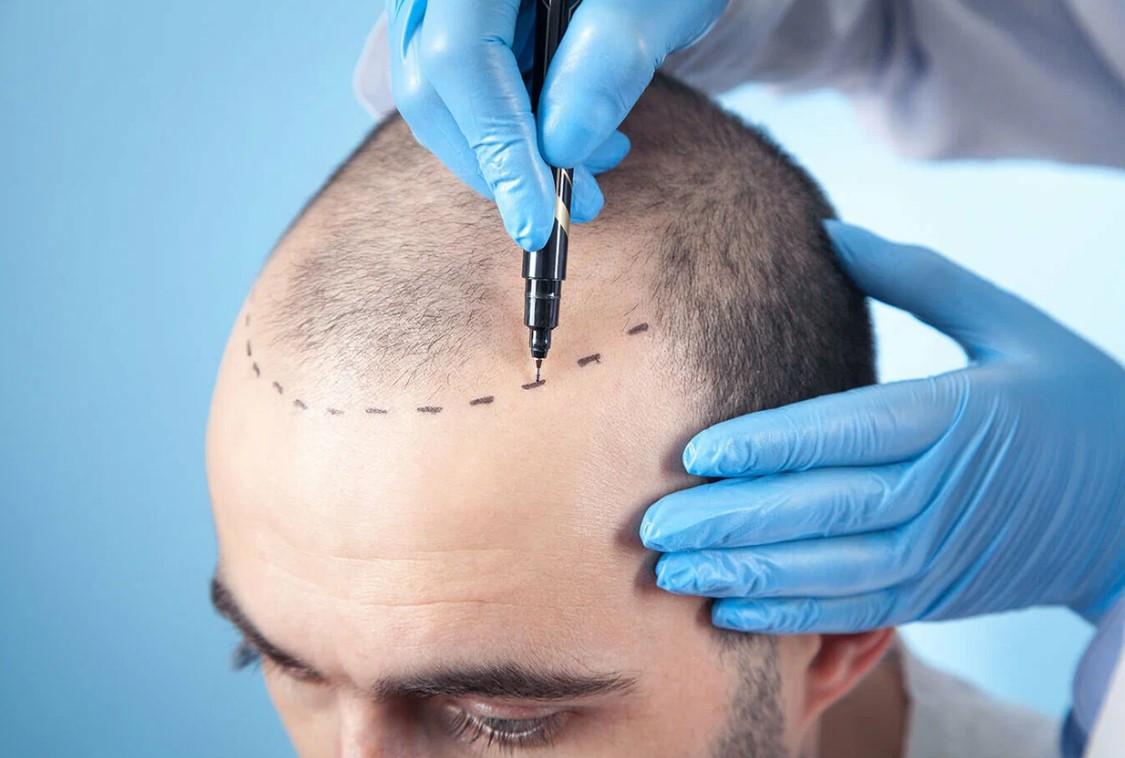
Hair transplant surgery has become one of the most popular cosmetic procedures in Riyadh, with a growing number of men and women choosing it to restore thinning hair and improve their confidence. One of the first questions most patients ask is: “How successful is it?” While success rates are generally high, understanding what success really means, what to expect during the healing process, and the factors that influence outcomes can help you approach the procedure with confidence and realistic expectations. Hair transplant in Riyadh has become a popular choice for people seeking natural-looking hair restoration with modern techniques and expert care.
Success in hair transplant surgery is not determined by a single number alone. It involves several elements, including the survival of transplanted hair follicles, the natural appearance of the hairline, patient satisfaction, and long-term stability of results. In Riyadh, where many clinics use advanced techniques and experienced surgeons, success rates tend to be comparable to international standards when proper planning and execution are followed.
What Is Considered a “Successful” Hair Transplant?
Before talking numbers, it’s important to define what success means in this context. A hair transplant is usually considered successful when:
-
Grafted hair follicles survive and grow naturally
-
Hair density looks balanced and appropriate for the patient’s age
-
The hairline appears natural and symmetrical
-
The donor area heals well with minimal scarring
-
The patient is satisfied with the aesthetic outcome
Success is more than just survival of grafts; it’s about achieving a result that fits your facial features, age, and personal goals.
General Success Rates
The general success rate for modern hair transplant techniques, including FUE and DHI, is very high when performed by qualified professionals. Most clinics report that 85 to 95 percent of transplanted grafts survive and grow long-term when proper care is followed before and after the procedure.
This means that if 2,000 grafts are transplanted, around 1,700 to 1,900 of them can be expected to produce healthy hair growth over time. Keep in mind that some shedding in the first few weeks is normal — this is part of the body’s natural reaction and does not mean the grafts have failed. True growth usually starts around three to four months after surgery and continues to improve up to 12 to 18 months.
Factors That Influence Success
While high success rates are common, individual outcomes can vary based on several key factors:
1. Surgeon Experience and Technique
The surgeon’s skill is one of the most critical factors in success. A skilled surgeon knows how to:
-
Design a natural hairline that suits the face
-
Extract healthy follicles with minimal damage
-
Place grafts at the correct angle and depth
-
Ensure even distribution and density
Experienced surgeons in Riyadh who specialize in modern methods such as FUE and DHI often achieve higher success rates because they follow strict protocols and use advanced tools.
2. Quality of Donor Hair
Success largely depends on the quality and quantity of hair in the donor area (typically the back and sides of the head). Strong, dense hair produces better results because it offers more robust grafts for transplantation. Individuals with thinner or weaker donor hair may achieve less density but can still have a natural look.
3. Patient Health and Lifestyle
General health plays a significant role. Patients who are non-smokers, have stable medical conditions, and follow pre- and post-op instructions tend to heal better and have higher graft survival. Poor circulation, chronic illnesses, or habits like smoking can negatively impact healing.
4. Aftercare and Healing Process
Following your surgeon’s instructions during recovery is essential. Factors like avoiding sun exposure, not scratching the scalp, and proper cleaning significantly influence how well grafts take root. Skipping post-op care can reduce success rates.
Timeline of Growth and When You’ll See Results
Understanding the timeline helps set realistic expectations:
-
First 1–3 Weeks: Transplanted hair may shed — this is normal and expected.
-
3–4 Months: New hair begins to emerge as follicles enter the growth phase.
-
6–9 Months: Noticeable improvement in hair density and coverage.
-
12–18 Months: Full results are typically visible, with mature hair and refined texture.
Most patients see steady progress and feel satisfied as new hair grows gradually over this period.
Common Misconceptions
There are several misconceptions about hair transplant success:
-
“Immediate results” — Transplants take time; early shedding is normal.
-
“More grafts is always better” — Too many grafts placed improperly can affect survival and natural look.
-
“Success is guaranteed” — No surgery offers a 100 percent guarantee; success depends on multiple factors.
Understanding these helps you stay patient and realistic.
Signs of a Successful Outcome
A successful hair transplant usually shows:
-
Even and natural hair growth pattern
-
Minimal visible scarring, especially with FUE or DHI
-
Healthy scalp with no prolonged redness or infection
-
Steady densification over months
Your clinic should provide follow-ups to monitor progress and offer guidance.
Conclusion: What You Can Expect in Riyadh
Overall, hair transplant success rates in Riyadh are high when procedures are done by qualified surgeons using modern techniques. Most patients can expect a significant improvement in hair density and appearance if they choose the right clinic, follow preparation and aftercare plans, and maintain realistic expectations about timing and growth phases.
Success is not just about numbers — it’s about achieving a natural, balanced result that matches your goals. With proper planning, you can look forward to positive long-term outcomes and increased confidence following your hair transplant.

 English
 Arabic
 French
 Spanish
 Portuguese
 Deutsch
 Turkish
 Dutch
Dutch
 Italiano
 Romaian
 Portuguese (Brazil)
 Greek
Greek