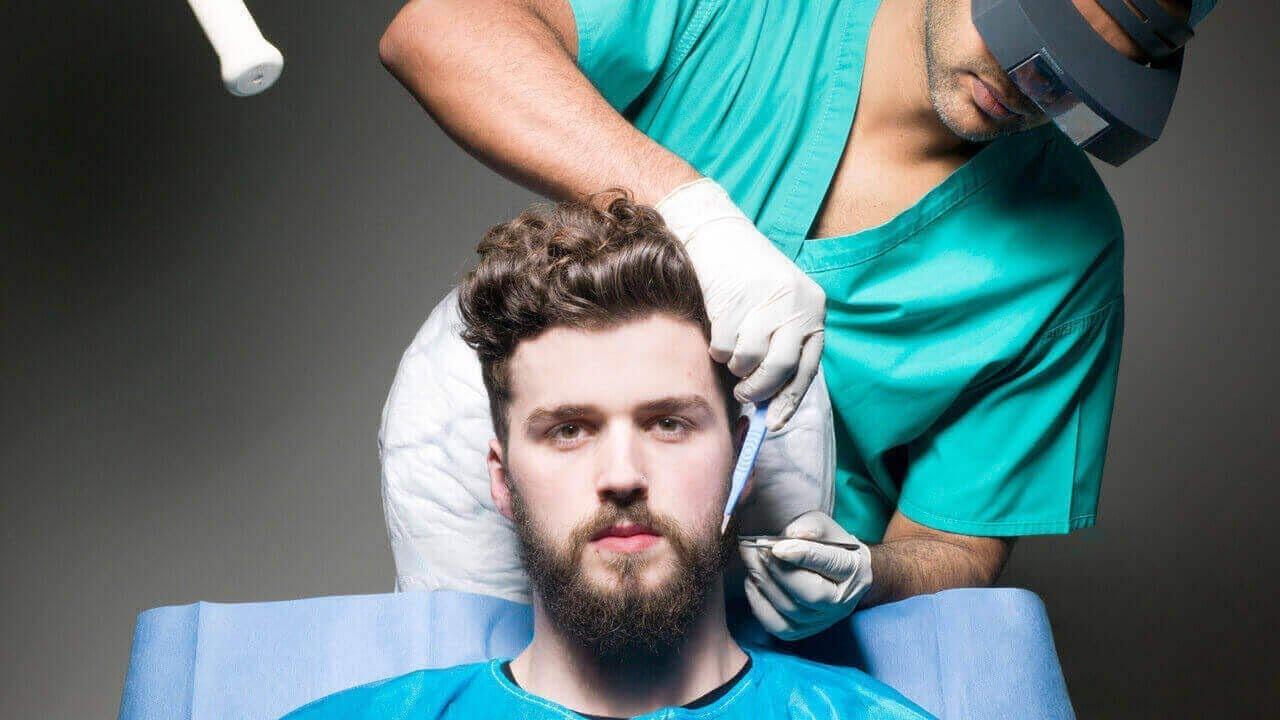
A beard hair transplant in Riyadh is a popular choice for men who want to improve facial hair density, fill patchy areas, or achieve a more defined beard line. Like any surgical procedure, the recovery timeline is an important factor to understand. Knowing what to expect during each stage of healing can help you plan your schedule, follow aftercare instructions properly, and stay calm during the early weeks when changes are most noticeable. Here is a detailed breakdown of the recovery timeline and healing stages after a beard hair transplant. Beard hair transplant in Riyadh is a popular choice for men seeking a fuller and more defined facial hair appearance.
Immediate Post-Procedure (First 24 Hours)
After the transplant, you will likely feel numbness in the treated area due to local anesthesia. The beard and donor areas may appear red, swollen, and slightly tender. Tiny scabs will form around each implanted follicle. These scabs are a normal part of the healing process and protect the grafts.
During the first 24 hours, it is important to:
-
Avoid touching or rubbing the implanted area
-
Keep the area clean and dry as per the surgeon’s instructions
-
Sleep with your head elevated to reduce swelling
-
Avoid alcohol and smoking, as they can affect healing
Most clinics in Riyadh provide a special post-operative kit and instructions to follow during this stage.
First Week (Days 2–7)
In the first week, the initial swelling and redness will start to reduce. Some patients may experience mild pain or discomfort, but it is usually manageable with prescribed pain medication.
Key changes during this stage:
-
Swelling may peak around day 2 or 3 and then begin to fade.
-
Small scabs will become more visible and may start to fall off naturally.
-
The donor area may feel tight or slightly sore.
-
It is normal to feel itching as the skin begins to heal.
During this time, it is important to follow the surgeon’s aftercare guidelines, which typically include:
-
Gentle washing of the beard area after a few days
-
Avoiding strenuous exercise, heavy lifting, and sweating
-
Not shaving or trimming the transplanted area
-
Taking prescribed antibiotics or anti-inflammatory medications if advised
Weeks 2–3: Shedding Phase
Around the second and third weeks, you may notice that the transplanted hairs start to shed. This is a normal and expected part of the process called “shock loss.” The hair follicles remain in the skin and will begin producing new hair over time.
What to expect during this phase:
-
Most of the transplanted hair may fall out
-
The beard area may look patchy or thin
-
Some redness or pinkness may still be visible, especially in sensitive skin types
It is important not to panic during this stage. The shedding is temporary, and new hair growth typically begins after a few months.
Month 1–2: Early Regrowth Begins
By the end of the first month, the scabs should be fully gone, and the skin should feel smoother. The transplanted follicles start entering the growth cycle again.
During months 1–2, you may notice:
-
Very fine and thin hair starting to appear
-
Hair growth may be uneven at first
-
Mild itching or dryness as the skin continues to heal
Continue following the aftercare routine and avoid aggressive facial scrubbing or harsh skincare products.
Month 3–4: Visible Hair Growth
Between the third and fourth months, most patients begin to see noticeable hair growth. The new beard hair will start to thicken and become more visible.
Expectations during this stage:
-
Hair growth becomes more consistent
-
The beard starts to look fuller
-
The hair texture may still feel slightly different from natural beard hair
This is also the time when many patients start to see the real transformation, and confidence begins to improve.
Month 5–6: Significant Improvement
By months 5 and 6, the transplanted beard hair will become denser and stronger. The beard will look more natural, and any patchy areas will start to fill in.
Key developments during this stage:
At this point, you may start to style or trim the beard more confidently. However, avoid aggressive shaving or trimming too soon if your surgeon advises otherwise.
Month 7–12: Final Results
The final stage of healing and growth occurs between 7 and 12 months after the transplant. During this time, the beard reaches its full density and texture.
Final outcomes typically include:
-
Natural-looking beard with full density
-
Stable hair growth pattern
-
Minimal redness or scarring
Some patients may require a second session to achieve the desired density, especially if the initial beard area was large or the donor hair supply was limited. Your surgeon will evaluate the results and discuss any additional steps if needed.
Final Notes
A beard hair transplant is a gradual process, and patience is key. The first few weeks may feel slow or frustrating due to shedding and visible scabs, but this is a normal part of the healing cycle. By understanding the recovery timeline, you can stay prepared and follow the right aftercare steps for the best results.
If you are planning a beard transplant in Riyadh, always choose a qualified surgeon, follow post-operative instructions carefully, and schedule regular follow-ups to track your progress. With proper care and realistic expectations, you can achieve a natural and full beard that enhances your facial appearance and confidence.




 Arabic
 French
 Spanish
 Portuguese
 Deutsch
 Turkish
 Dutch
Dutch
 Italiano
 Russian
 Romaian
 Portuguese (Brazil)
 Greek
Greek