


How PVC Film Mimics Nature for Furniture Design
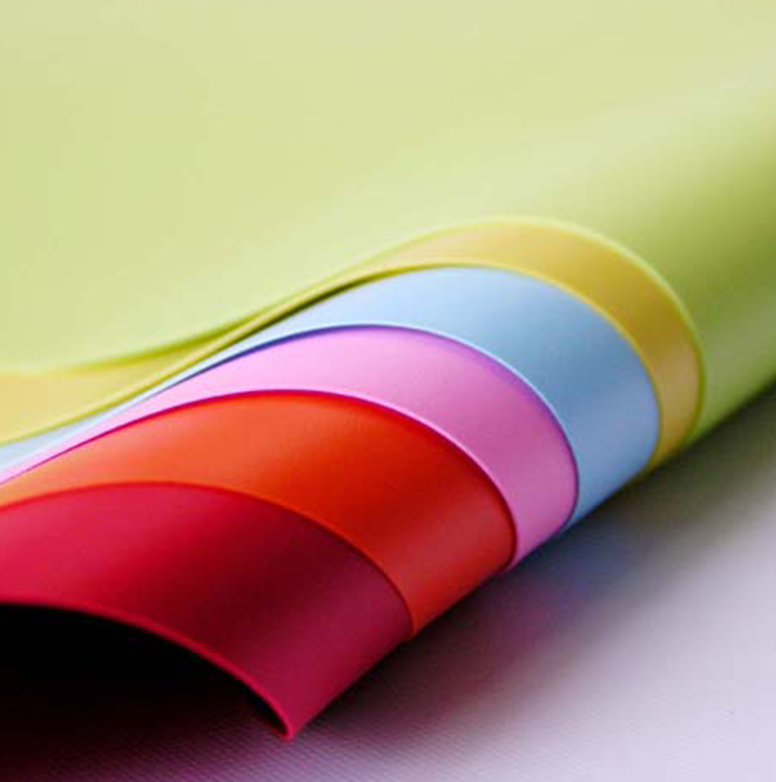
In the realm of furniture manufacturing, PVC decorative film has evolved far beyond simple printed patterns. Today's high-quality films boast astonishingly realistic reproductions of natural materials—oak grain with palpable pore structure, slate with a cool, rugged feel, or linen with a subtle weave. Achieving this tactile, three-dimensional realism is a sophisticated manufacturing feat that combines advanced embossing technology, precise print-registration, and multi-layer film construction. For a filmmaker, this process is the cornerstone of value, transforming a plastic sheet into a convincing and desirable surface alternative.
The Foundation: High-Fidelity Gravure Printing
The journey begins with color and pattern. The most realistic effects are achieved through rotogravure printing. Here, a master design is etched onto a copper-plated cylinder, with each color in the design assigned a separate cylinder. The PVC film substrate, typically a clear or pre-colored wear layer atop a base film, passes through these cylinders. Each one applies a specific ink layer with exceptional precision and color density. For wood grains, this involves printing not just a single brown, but multiple layers of base tones, veining, heartwood, and sapwood shades. The inks are specially formulated for PVC adhesion and lightfastness. The registration between color stations must be perfect to avoid blurring and to build up a photorealistic image.
The Magic of Synchronized Embossing
Printing alone creates only a 2D image. The depth comes from embossing. The critical innovation is synchronized or registered embossing. In this process, a massive, heated steel embossing cylinder—with a negative of the desired texture etched onto its surface by laser or chemical engraving—presses into the freshly printed and still-warm film.
The engineering marvel lies in the precise synchronization of the embossing pattern with the printed pattern. For a wood grain, the embossing cylinder's "grain lines" must align perfectly with the dark printed grain lines. This is achieved through optical sensors that read registration marks on the printed film and micro-adjust the rotation of the embossing cylinder in real-time. When aligned, the embossing roller presses the "pores" and "grain valleys" into the film exactly where the darker printed ink lies, while leaving the "raised grain" areas slightly higher. This marriage of visual cue (dark color) and physical cue (indentation) tricks both the eye and the finger into perceiving real wood.
Multi-Layer Construction for Ultimate Realism
The most premium films use a multi-layer co-extrusion or lamination process to build depth from within.
Clear Wear Layer: A top, thick coating of pure, transparent PVC provides durability and scratch resistance. Its clarity is crucial for allowing the underlying texture and print to be visible.
Printed/Texture Layer: This is the core layer where the synchronized print and emboss happen.
Background Color or Foil Layer: Beneath the print, a solid color layer (e.g., a warm tan for oak) or even a metallic foil (for some stone effects) provides base reflectivity and depth of color.
Adhesive or Balance Layer: The bottom layer prepares the film for lamination to the furniture substrate.
For stone textures like marble or travertine, the process focuses on creating micro-variations in gloss. A combination of matte and gloss inks, along with a textured emboss that has varying peak heights, replicates the way light scatters differently across the crystalline and veined areas of real stone.
Validation and Consistency
The filmmaker ensures realism and consistency through stringent quality control. Samples are compared side-by-side with real wood or stone references under standardized lighting. Gloss meters measure reflectivity uniformity, and profilometers map the microscopic peaks and valleys of the embossed texture to ensure it matches the master.
For furniture manufacturers, this engineered realism offers immense flexibility. It allows them to offer the warm, natural aesthetics of wood or stone across product lines with perfect consistency, without the cost, variability, and sustainability concerns of natural materials. The PVC decorative film becomes a versatile, reliable, and convincing skin that defines the furniture's character, proving that through advanced manufacturing, imitation is not just flattery—it is a high form of functional artistry.

 English
 Arabic
 French
 Spanish
 Portuguese
 Deutsch
 Turkish
 Dutch
Dutch
 Russian
 Romaian
 Portuguese (Brazil)
 Greek
Greek