


Understanding Epilepsy Symptoms: Early Signs, Causes, and Treatment Support
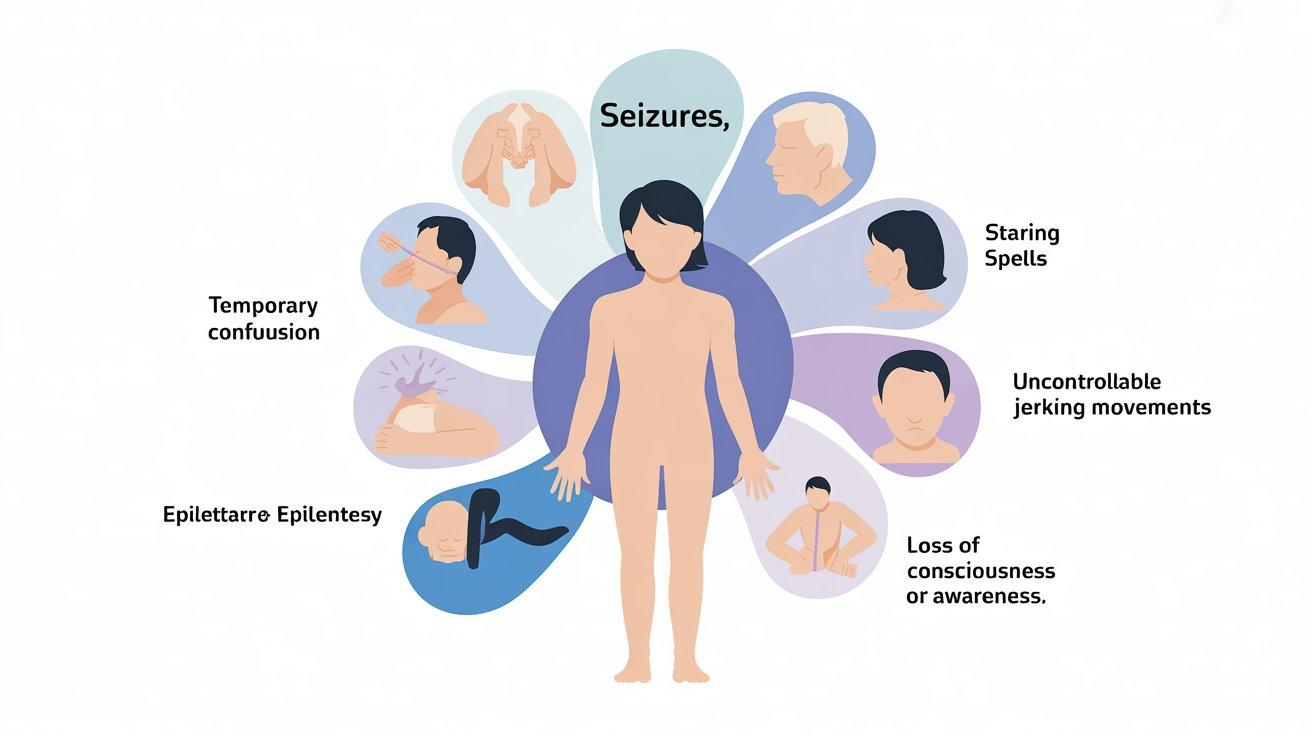
Epilepsy is a neurological condition that affects millions of people worldwide, yet it is often misunderstood. It can appear at any age and impact daily life in ways that are both visible and hidden. Recognizing the early warning signs and knowing when to seek professional care can make a significant difference in managing the condition effectively. With proper medical attention, therapy, and rehabilitation support, many individuals with epilepsy can live safe, active, and fulfilling lives.
A medical rehabilitation center plays an essential role in helping patients and families understand the condition, manage challenges, and build long-term coping strategies.
What Is Epilepsy and Why Awareness Matters
Epilepsy is a disorder of the brain that causes recurrent seizures due to abnormal electrical activity. Seizures can vary widely in frequency, intensity, and appearance. Some may last only a few seconds, while others can be more severe and require immediate medical care.
Awareness is critical because epilepsy is not always obvious. Many people live with the condition for years before receiving a proper diagnosis. Understanding epilepsy symptoms early allows individuals to seek help sooner, reducing the risk of injury, emotional distress, and complications related to untreated seizures.
Common Signs That Should Not Be Ignored
The signs of epilepsy differ from person to person, which is why diagnosis can be challenging. Some individuals experience dramatic convulsions, while others have subtle episodes that may look like daydreaming or brief confusion.
Common warning signs include sudden staring spells, uncontrollable jerking movements, loss of awareness, confusion after an episode, unusual sensations, or sudden emotional changes such as fear or anxiety without a clear reason. These experiences may occur repeatedly and without warning.
Because these signs can be mistaken for stress or fatigue, it’s important to consult a healthcare professional if episodes happen more than once. Early recognition of epilepsy symptoms can lead to timely treatment and better long-term outcomes.
Types of Seizures and How They Affect Daily Life
Seizures are broadly categorized into focal seizures and generalized seizures. Focal seizures affect one area of the brain and may cause changes in emotions, sensations, or movement. Generalized seizures involve both sides of the brain and can result in loss of consciousness or muscle stiffness.
Living with seizures can affect work, education, relationships, and independence. Fear of sudden episodes may lead to anxiety or social withdrawal. This is where a comprehensive rehabilitation approach becomes valuable, offering not just medical treatment but also emotional and psychological support.
Diagnosis and Medical Evaluation
Diagnosing epilepsy involves a detailed medical history, neurological examination, and diagnostic tests such as EEGs and brain imaging. Doctors assess seizure patterns, triggers, and overall health before confirming a diagnosis.
Once identified, understanding specific epilepsy symptoms helps specialists create a personalized treatment plan. This may include medication management, lifestyle adjustments, and ongoing monitoring to reduce seizure frequency and severity.
The Role of Rehabilitation in Epilepsy Care
A medical rehabilitation center provides holistic care that goes beyond medication. Physical therapy can help improve balance and strength, reducing the risk of injury during seizures. Occupational therapy supports daily functioning, while counseling addresses emotional challenges like anxiety, depression, or fear.
Education is also a major part of rehabilitation. Patients and families learn how to recognize warning signs, manage triggers, and respond safely during an episode. This knowledge builds confidence and promotes independence.
Supporting Families and Caregivers
Epilepsy affects not only the individual but also their loved ones. Families often struggle with uncertainty, fear, and stress related to caregiving responsibilities. Rehabilitation centers offer guidance, counseling, and support programs to help caregivers understand the condition and respond calmly and effectively.
When families are educated about epilepsy symptoms, they are better equipped to provide emotional support and ensure safety at home, school, or work.
Moving Forward With Confidence and Care
Epilepsy is a lifelong condition for many, but it does not have to define a person’s future. With early diagnosis, proper medical treatment, and rehabilitation support, individuals can regain control over their lives. A compassionate rehabilitation environment empowers patients to manage challenges, build resilience, and focus on overall well-being.
Seeking professional care is the first step toward stability, confidence, and a healthier tomorrow.

 English
 Arabic
 French
 Spanish
 Portuguese
 Deutsch
 Turkish
 Dutch
Dutch
 Russian
 Romaian
 Portuguese (Brazil)
 Greek
Greek