


Maintaining Flame Retardancy in Non-Flammable Yarn Processes
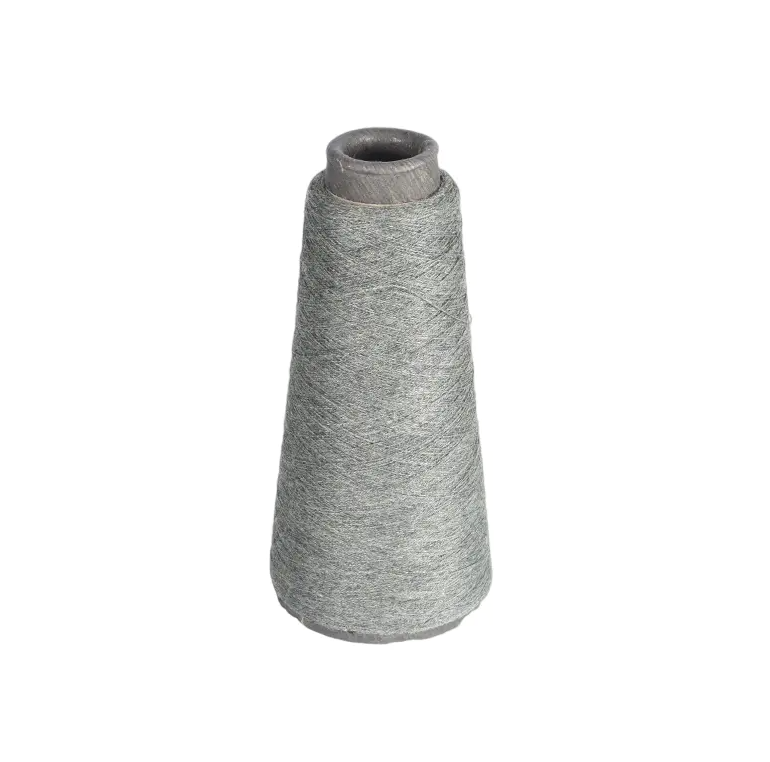
Introduction to Non-Flammable Yarn and Post-Processing
Non-Flammable Yarn is widely used in protective textiles, workwear, and home fabrics due to its inherent or treated flame-resistant properties. Maintaining flame retardancy during post-processing, such as dyeing and printing, is critical to ensure both safety and aesthetic appeal. The interaction between the yarn’s flame-resistant chemicals and dyes or pigments can affect the overall effectiveness of the flame retardancy. Manufacturers must carefully control processing conditions to preserve the protective qualities of Non-Flammable Yarn while achieving the desired coloration or pattern.
Effects of Dyeing on Flame Resistance
Dyeing involves immersing yarn in liquid solutions containing colorants, often under elevated temperatures. High temperatures, prolonged exposure to water, and certain chemicals can potentially degrade flame-retardant treatments. For inherently flame-resistant fibers, such as aramids or modacrylics, the effect of dyeing is minimal if the process uses compatible dyes and moderate conditions. In contrast, yarns treated with surface-applied flame retardants may experience partial loss of efficacy if aggressive chemical agents or excessive heat are used. Understanding the type of Non-Flammable Yarn and the method of flame retardancy is essential before dyeing to prevent unintended reduction in protective performance.
Implications of Printing Processes
Printing introduces dyes or pigments in localized areas, often using binders, thickeners, and fixation agents. Depending on the printing method—screen printing, rotary printing, or digital printing—the thermal and chemical exposure varies. Non-Flammable Yarn may retain most of its flame resistance if low-temperature fixation methods are employed and if the printing chemistry is compatible with the flame-retardant system. However, reactive or oxidative chemicals can interact with flame-retardant coatings, reducing the yarn’s effectiveness. Careful selection of printing agents and fixation conditions is therefore crucial to maintain both visual quality and safety.
Strategies to Preserve Flame Retardancy
Several strategies can help maintain the flame-resistant properties of Non-Flammable Yarn during dyeing and printing. Pre-testing dyes and pigments for compatibility with the yarn’s flame-retardant treatment is critical. Adjusting processing parameters, such as lowering dyeing temperatures or reducing dwell time, minimizes potential degradation. In some cases, post-treatment with flame-retardant finishes after dyeing or printing restores any lost protection. Additionally, selecting inherently flame-resistant fibers over surface-treated yarns can simplify processing and enhance the durability of the protective function.
Quality Control and Testing
Quality control measures are essential to ensure that dyed or printed Non-Flammable Yarn retains its intended flame retardancy. Small-scale pilot tests, followed by standardized flame resistance tests, allow manufacturers to verify performance before large-scale production. Monitoring chemical interactions, pH levels, and exposure times ensures that the final product meets safety standards without compromising colorfastness or aesthetic appeal.
Conclusion
Dyeing and printing can influence the flame-resistant properties of Non-Flammable Yarn, especially for surface-treated yarns. Careful selection of dyes, printing agents, and processing conditions helps preserve flame retardancy while achieving the desired color or design. Strategies such as low-temperature processing, post-treatment, and rigorous testing enable manufacturers to balance safety, functionality, and visual quality. Maintaining flame resistance during post-processing is essential to ensure that Non-Flammable Yarn continues to provide reliable protection in its intended applications.

 English
 Arabic
 French
 Spanish
 Deutsch
 Turkish
 Dutch
Dutch
 Italiano
 Russian
 Romaian
 Portuguese (Brazil)
 Greek
Greek