The recovery process after a breast lift, or mastopexy, is a critical component of achieving optimal results and ensuring long-term satisfaction with the surgery. For women in Riyadh undergoing this procedure, understanding the stages of recovery, what to expect, and how to care for the body post-surgery is essential for a smooth healing experience. Recovery is a gradual process that involves both physical and emotional adjustments, and following post-operative guidelines significantly reduces the risk of complications and enhances overall outcomes. Breast lift surgery in Riyadh is a popular option for women looking to restore firmness and achieve a more youthful breast contour.
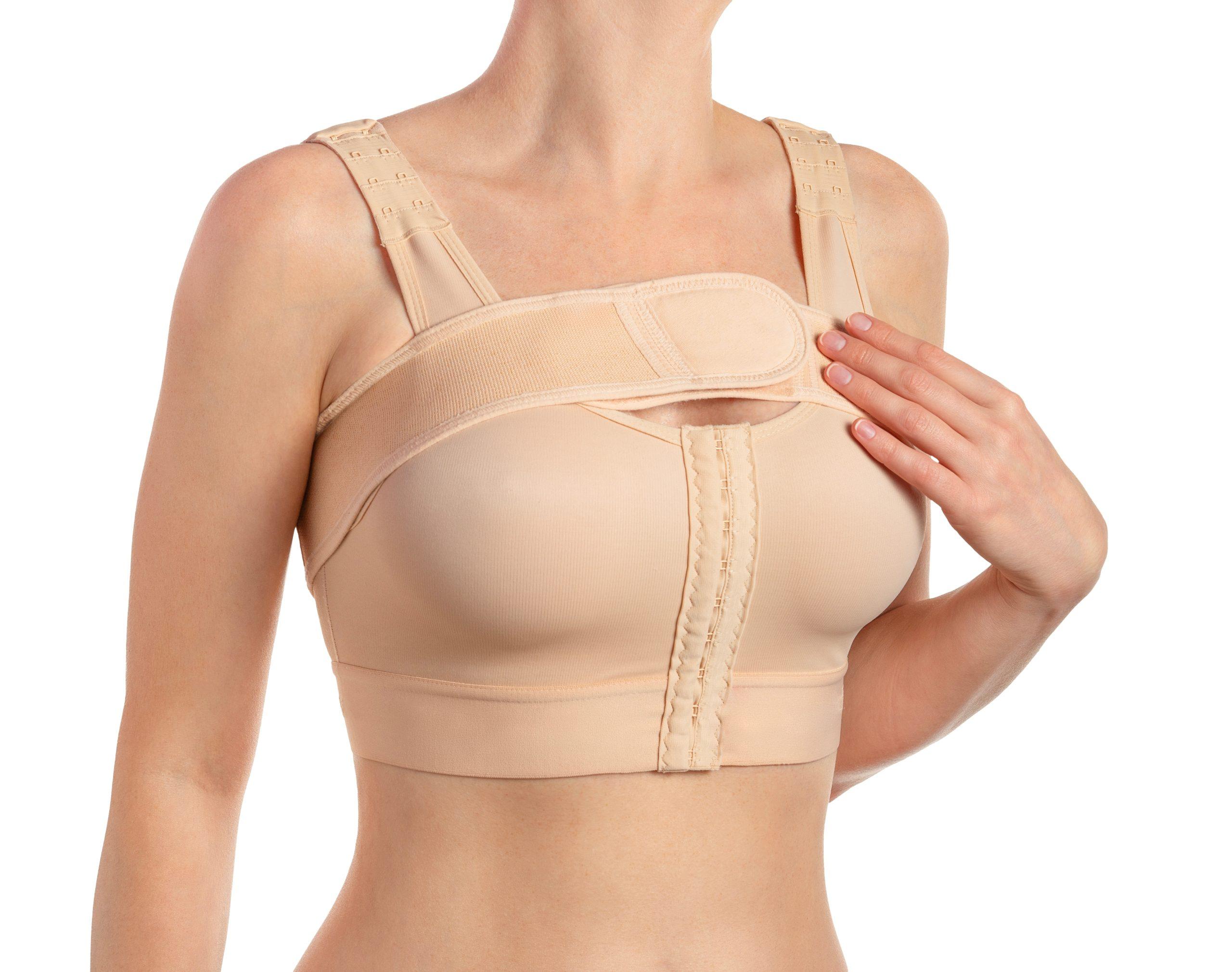
Immediately after surgery, patients typically spend a few hours in a recovery room where medical staff monitor vital signs, manage initial pain, and ensure there are no immediate complications. The breasts are usually bandaged, and in some cases, a surgical bra or compression garment is applied to support the new shape, minimize swelling, and protect the incisions. In certain procedures, small drains may be temporarily placed to prevent fluid accumulation, though many modern techniques avoid their use. Patients are usually discharged the same day, though close follow-up is essential.
During the first few days after surgery, patients often experience swelling, bruising, and mild to moderate discomfort around the breasts and chest area. Pain can typically be managed with prescribed medications, and discomfort generally diminishes within a week. It is common for the nipples and surrounding tissue to feel numb or tingly during this initial phase, and temporary changes in sensation are considered normal. Ice packs or cold compresses may be recommended to alleviate swelling, but they should be used according to the surgeon’s instructions to avoid affecting circulation.
Activity restrictions are a key part of the early recovery process. Patients in Riyadh are generally advised to avoid strenuous activities, heavy lifting, and upper body exercise for at least four to six weeks. Light walking is encouraged as soon as possible, as it helps prevent blood clots and promotes circulation, which aids healing. Sleeping positions may also need to be adjusted, with surgeons often recommending sleeping on the back with the upper body slightly elevated to reduce pressure on the breasts and minimize swelling. Wearing a supportive surgical bra continuously, except when showering, is essential for stabilizing the breasts during this critical healing period.
Incision care is another important aspect of recovery. The surgical sites must be kept clean and dry to prevent infection. Sutures may be dissolvable or require removal during follow-up visits. Patients are advised to avoid submerging the breasts in water, such as in baths or swimming pools, until the incisions have fully healed. Topical ointments or silicone sheets may be recommended to support scar healing and improve cosmetic outcomes. In Riyadh, post-operative care instructions are tailored to the climate and lifestyle considerations, helping patients protect their incisions from excessive sun exposure or friction from clothing.
Over the following weeks, swelling and bruising gradually subside, and the breasts begin to settle into their new shape. Most women notice significant improvement in comfort and appearance within two to four weeks. It is common for the breasts to feel firm initially, as internal tissues heal and scar tissue forms to support the lift. Full tissue maturation and final breast positioning can take several months, during which patients should continue to follow activity guidelines and avoid placing unnecessary strain on the chest.
Emotional adjustment is also a key component of recovery. Many women feel a sense of excitement and satisfaction as the new breast shape becomes apparent, but temporary anxiety or concern over swelling, scarring, or minor asymmetries is normal. Support from family, friends, and the surgical team can help patients navigate these emotional changes. Surgeons in Riyadh often schedule regular follow-up visits to monitor healing, address concerns, and provide reassurance regarding expected outcomes.
Long-term recovery considerations include maintaining stable weight and avoiding significant fluctuations, as this can affect breast shape and the longevity of the lift. While a breast lift provides durable results, natural aging and gravity may gradually alter breast appearance over the years. Maintaining healthy lifestyle habits, including proper nutrition, hydration, and supportive undergarments, contributes to the durability of surgical outcomes.
Potential complications during recovery, although uncommon, should be monitored. These include infection, hematoma, delayed wound healing, changes in nipple sensation, and minor asymmetry. Immediate communication with the surgeon is essential if unusual symptoms such as severe pain, persistent redness, or excessive swelling occur. Early intervention can prevent more serious issues and ensure optimal healing.
In summary, the recovery process after a breast lift in Riyadh involves multiple stages, beginning with immediate post-operative care, followed by careful management of pain, swelling, and incision healing. Activity restrictions, supportive garments, and adherence to post-operative instructions are crucial for safe and effective recovery. Swelling and bruising gradually improve, and emotional adjustment accompanies the physical healing process. Long-term care, including weight management and scar care, helps maintain the results of the surgery. By understanding and actively participating in the recovery process, patients can achieve a smooth healing experience and enjoy the aesthetic and psychological benefits of a breast lift.




 English
 Arabic
 Spanish
 Portuguese
 Deutsch
 Turkish
 Dutch
Dutch
 Italiano
 Russian
 Romaian
 Portuguese (Brazil)
 Greek
Greek