


The Complete Guide to Syphilis Screening for Early Detection
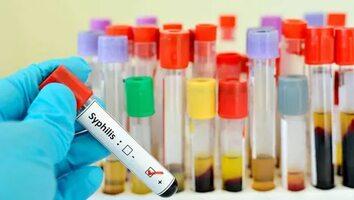
Syphilis may be an ancient disease, but it remains a modern public health concern. With rising rates of sexually transmitted infections (STIs) worldwide, early detection through Syphilis Screening in Dubai has never been more important. The infection often develops silently, progressing through stages without noticeable symptoms. By the time complications appear, significant damage may already have occurred. This complete guide explains how syphilis testing works, who should get screened, how often to test, and why early diagnosis is critical for protecting both personal and public health.
Why Early Detection of Syphilis Is Critical for Long-Term Health?
Syphilis is caused by the bacterium Treponema pallidum and is primarily transmitted through vaginal, anal, or oral sexual contact. It can also pass from a pregnant individual to their baby, resulting in congenital syphilis. What makes this sexually transmitted infection particularly dangerous is its ability to mimic other illnesses or remain asymptomatic for long periods.
The infection progresses in stages—primary, secondary, latent, and tertiary. During the primary stage, a painless sore called a chancre may appear at the infection site. In the secondary stage, symptoms like rash, swollen lymph nodes, fever, or fatigue can develop. The latent stage has no visible symptoms, yet the bacteria remain active in the body. If untreated, tertiary syphilis can lead to severe complications such as cardiovascular damage, neurosyphilis, vision problems, and organ failure.
Because symptoms can disappear without treatment, many people falsely assume the infection has resolved. Early syphilis screening through a blood test prevents this dangerous progression and allows for timely antibiotic treatment before irreversible damage occurs.
Understanding How Syphilis Screening Works:
Syphilis testing is straightforward, confidential, and widely available. Most screenings involve a simple blood draw to detect antibodies produced in response to the infection. There are two main types of laboratory tests used in syphilis diagnosis.
Nontreponemal tests such as the Rapid Plasma Reagin (RPR) or Venereal Disease Research Laboratory (VDRL) test measure antibodies that indicate an active infection. Treponemal tests confirm the presence of antibodies specific to the syphilis bacterium. Healthcare providers often use both tests together to ensure accuracy.
In cases where a sore is present, a healthcare professional may collect a fluid sample from the lesion for direct testing. However, blood testing remains the most common and reliable screening method.
It’s important to understand the window period. After exposure, it may take several weeks for antibodies to become detectable. If testing occurs too early, results could be negative despite infection. In such cases, repeat testing is recommended to confirm status.
Who Should Consider Routine Syphilis Screening?
Syphilis does not discriminate, and anyone who is sexually active can be at risk. However, certain individuals benefit from more frequent STI screening due to increased exposure risk.
Sexually active adults with new or multiple partners should consider annual syphilis testing as part of routine sexual health screening. Men who have sex with men (MSM) are often advised to test every three to six months due to higher infection rates in some communities. Individuals living with HIV are also encouraged to undergo regular syphilis screening since co-infection can complicate treatment and increase transmission risk.
Pregnant individuals should be screened at the first prenatal visit. In some cases, additional testing during the third trimester or at delivery may be necessary. Early prenatal syphilis testing dramatically reduces the risk of congenital syphilis, miscarriage, stillbirth, or severe newborn complications.
People with a history of other sexually transmitted infections such as chlamydia, gonorrhea, or genital herpes should also consider regular testing. A previous STI can indicate behaviors or circumstances that increase the likelihood of syphilis exposure.
When Is the Right Time to Get Tested?
Timing plays a crucial role in accurate syphilis diagnosis. You should seek immediate screening if you notice symptoms such as a painless genital sore, unexplained rash on the palms or soles, patchy hair loss, mouth lesions, or persistent flu-like symptoms.
Testing is also recommended after unprotected sex, especially with a new partner whose STI status is unknown. If a sexual partner informs you they have tested positive for syphilis, prompt testing is essential—even if you feel completely healthy.
Routine testing during annual health exams is a proactive approach, particularly for those with ongoing risk factors. Many healthcare providers now incorporate comprehensive STD screening panels that include syphilis blood testing alongside HIV testing and other STI checks.
How Often Should You Get Tested for Syphilis?
The frequency of syphilis screening depends on lifestyle and risk level. Individuals in long-term, mutually monogamous relationships with confirmed negative test results may not need frequent screening unless circumstances change.
For those with occasional new partners, annual testing is typically sufficient. However, higher-risk groups—including MSM, individuals with HIV, sex workers, or those with multiple concurrent partners—should consider testing every three to six months.
Pregnant individuals should follow prenatal screening guidelines recommended by their healthcare provider. In areas with high syphilis prevalence, repeat testing during pregnancy is strongly advised.
Regular screening not only protects your own health but also helps reduce community transmission rates.
What Happens If You Test Positive?
A positive syphilis test can feel alarming, but the infection is treatable and curable in its early stages. The standard treatment is penicillin administered by injection. The number of doses required depends on how long the infection has been present.
After treatment, follow-up blood tests are conducted to monitor declining antibody levels and confirm that therapy was successful. It is crucial to avoid sexual activity until a healthcare provider confirms that treatment is complete and the infection is no longer contagious.
Partner notification is an important step in preventing reinfection and further spread. Healthcare providers or public health departments often assist in confidentially informing recent partners so they can receive testing and treatment.
Addressing Common Concerns About Syphilis Testing:
Many individuals avoid STI testing due to fear, embarrassment, or misconceptions. However, syphilis screening is confidential and often covered by insurance plans. Public health clinics and community health centers frequently offer low-cost or free testing options.
Another concern involves test accuracy. Modern laboratory tests are highly reliable when performed at the appropriate time. False positives are rare but possible, which is why confirmatory testing is used to ensure accurate diagnosis.
Some people believe that the absence of symptoms means they are infection-free. In reality, the latent stage of syphilis can last for years without visible signs. Routine screening is the only reliable method of detection during this period.
At-home STI testing kits have also become increasingly popular. Many FDA-approved home tests allow individuals to collect a sample privately and mail it to a certified laboratory. While convenient, positive results should always be followed up with a healthcare provider for confirmation and treatment.
Preventing Syphilis Through Awareness and Protection:
While Syphilis Screening is essential, prevention remains equally important. Consistent condom use significantly reduces the risk of syphilis transmission, though it does not eliminate risk entirely if sores are located outside the protected area.
Open communication with sexual partners about testing history and STI status fosters mutual protection. Reducing the number of sexual partners and engaging in routine sexual health check-ups further lowers infection risk.
For individuals at higher risk of HIV exposure, pre-exposure prophylaxis (PrEP) may be recommended, but it does not protect against syphilis or other bacterial STIs. Therefore, regular syphilis screening should still be part of preventive healthcare.
Integrating Syphilis Screening Into Your Overall Health Plan:
Sexual health is an integral component of overall wellness. Just as routine blood pressure checks and cholesterol screenings are part of preventive care, STI testing should be normalized and prioritized.
Healthcare providers increasingly emphasize comprehensive STD screening as part of annual wellness exams. Early detection of syphilis not only prevents serious complications like neurosyphilis and cardiovascular damage but also reduces the risk of transmitting the infection to others.
Public health data continues to show rising syphilis rates in many regions, underscoring the importance of awareness and proactive testing. By making syphilis screening a routine practice rather than a reactive measure, individuals can take control of their sexual health with confidence.
Final Thoughts on Early Detection and Responsible Testing:
Syphilis is preventable, treatable, and manageable—especially when detected early. The infection’s ability to remain hidden makes routine screening the most effective defense against long-term health consequences.
If you are sexually active, pregnant, have new or multiple partners, or simply have not been tested recently, consider scheduling a syphilis blood test. Early diagnosis ensures timely treatment, protects your partners, and safeguards future health.
Proactive screening is not just about avoiding illness—it is about responsibility, awareness, and commitment to lifelong well-being.

 English
 Arabic
 French
 Spanish
 Portuguese
 Deutsch
 Turkish
 Dutch
Dutch
 Italiano
 Russian
 Portuguese (Brazil)
 Greek
Greek