


Understanding the different types of chemical peels in Riyadh
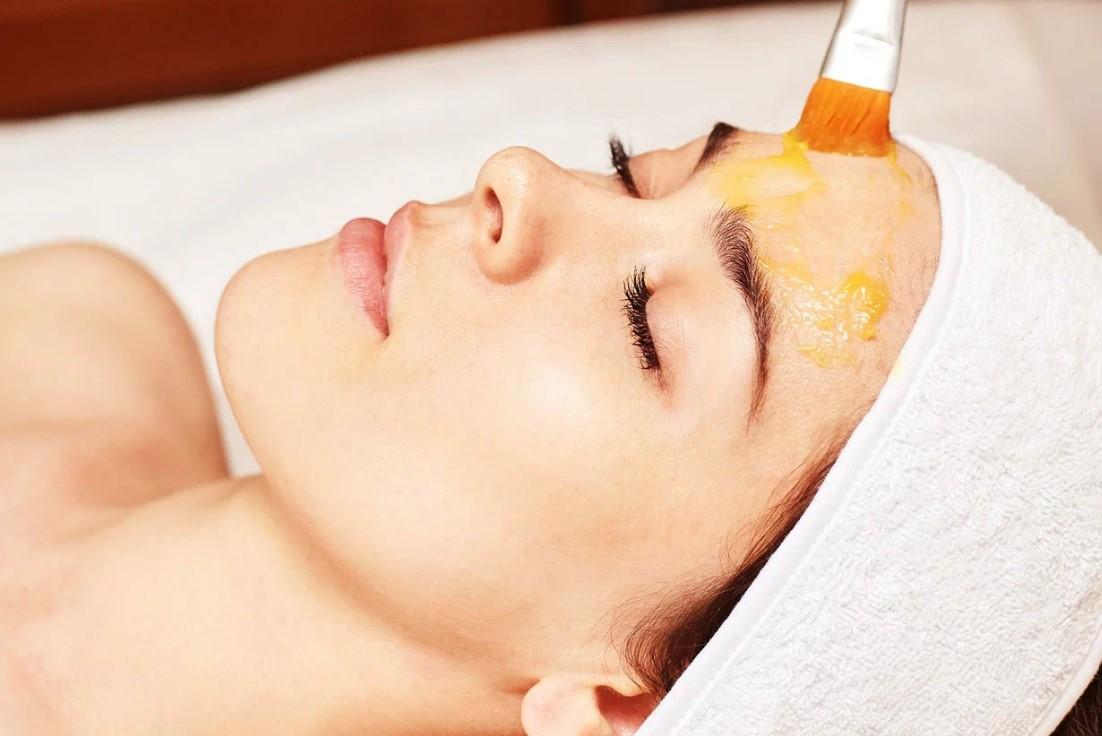
Chemical peels have become a cornerstone of dermatological and cosmetic treatments in Riyadh, offering a range of solutions to improve skin texture, reduce signs of aging, treat acne, and address hyperpigmentation. Understanding the different types of chemical peels available is essential for anyone considering this treatment, as the choice of peel depends on skin type, concern, and desired outcome. In Riyadh, dermatologists offer a variety of chemical peels categorized primarily by their depth of penetration: superficial, medium, and deep peels. Each type has unique characteristics, benefits, and considerations. Chemical Peels in Riyadh are an effective solution for improving skin texture, reducing pigmentation, and achieving a radiant, youthful appearance.
Superficial Chemical Peels
Superficial peels, sometimes referred to as “lunchtime peels,” are the mildest form of chemical peeling. They affect only the outermost layer of the skin, the epidermis, making them ideal for individuals looking to improve minor skin concerns with minimal downtime. Common active ingredients in superficial peels include alpha-hydroxy acids (AHAs) such as glycolic acid and lactic acid, and beta-hydroxy acids (BHAs) like salicylic acid.
Glycolic acid peels are highly effective for promoting exfoliation, encouraging cell turnover, and enhancing skin brightness. They are often recommended for individuals with dull skin, minor discoloration, and early signs of aging such as fine lines. Salicylic acid peels, on the other hand, are particularly suited for acne-prone skin, as they can penetrate pores to dissolve excess oil and prevent clogged follicles. Lactic acid peels are gentler and suitable for sensitive or dry skin, helping to improve hydration while refining texture.
Superficial peels in Riyadh are popular due to their minimal recovery time. Patients may experience mild redness or slight peeling for a few days, but they can typically resume normal activities immediately. Multiple sessions, spaced a few weeks apart, are usually recommended to achieve optimal results. These peels are also commonly combined with regular skincare routines for enhanced long-term benefits.
Medium Chemical Peels
Medium peels penetrate deeper into the skin, reaching the upper to mid-dermis. Trichloroacetic acid (TCA) is one of the most frequently used agents in medium-depth peels. These peels are effective for treating more pronounced skin concerns, including moderate acne scars, fine lines, uneven pigmentation, sun damage, and rough skin texture.
One of the main advantages of medium peels is their ability to stimulate significant collagen production, which helps improve skin firmness and elasticity over time. By removing damaged skin layers and promoting regeneration, medium peels provide a more noticeable improvement in skin texture and tone compared to superficial peels. Patients may experience redness, peeling, and slight swelling for a week or two after the procedure, making it important to follow post-treatment care recommendations closely.
Medium peels in Riyadh are particularly popular among individuals who want to address persistent acne scars, sunspots, or early signs of aging but prefer to avoid the more intensive process associated with deep peels. Dermatologists often customize the concentration and duration of TCA application based on the patient’s skin type, sensitivity, and desired outcome to ensure safe and effective results.
Deep Chemical Peels
Deep peels are the most intensive type of chemical peel and are usually reserved for severe skin concerns. Phenol-based peels are commonly used for this category, although TCA in higher concentrations may also serve as a deep peel. Deep peels penetrate the lower dermis and are capable of addressing significant sun damage, deep wrinkles, pronounced scarring, and severe hyperpigmentation.
The results of deep chemical peels are dramatic, often producing long-lasting improvements in skin texture and appearance. However, they require careful medical supervision, as the procedure carries higher risks compared to superficial or medium peels. Deep peels can cause redness, swelling, and prolonged peeling for several weeks, and they require strict post-treatment care, including sun protection and moisturizing, to support healing. Due to their intensity, deep peels are not recommended for all skin types, particularly for darker skin tones, where the risk of pigmentation changes may be higher.
Choosing the Right Peel in Riyadh
Selecting the appropriate chemical peel involves evaluating the patient’s skin type, concerns, medical history, and tolerance for downtime. Dermatologists in Riyadh typically conduct a thorough skin assessment and may recommend patch tests for certain peel types to ensure safety. Many patients begin with superficial peels and gradually progress to medium or deep peels if more intensive treatment is necessary. Combining peels with other procedures, such as laser therapy or microneedling, can also enhance results and address multiple skin concerns simultaneously.
In addition to depth, chemical peels are chosen based on active ingredients and their specific effects on the skin. AHAs like glycolic and lactic acids are best for exfoliation and brightening, BHAs like salicylic acid are excellent for acne management, TCA peels improve collagen production and texture, and phenol peels deliver profound rejuvenation for aging or heavily damaged skin.
Conclusion
Chemical peels in Riyadh provide a versatile and effective solution for improving skin health, texture, and appearance. By understanding the differences between superficial, medium, and deep peels, as well as the specific benefits of each chemical agent, individuals can make informed decisions tailored to their skin needs. Whether seeking gentle exfoliation, acne management, pigmentation correction, or deep rejuvenation, chemical peels offer transformative results when performed by a qualified dermatologist with proper care and follow-up. With the right selection and treatment plan, patients can enjoy smoother, more radiant, and healthier-looking skin, enhancing both confidence and overall skin wellness.

 English
 Arabic
 French
 Spanish
 Portuguese
 Deutsch
 Dutch
Dutch
 Italiano
 Russian
 Romaian
 Portuguese (Brazil)
 Greek
Greek