English
 Arabic
 French
 Spanish
 Portuguese
 Deutsch
 Turkish
 Dutch
Dutch
 Italiano
 Russian
 Romaian
 Portuguese (Brazil)
 Greek
Greek

FortiWeb Security Flaw: Fortinet Patches CVE-2025-64446
Games |
2026-03-02 06:17:56
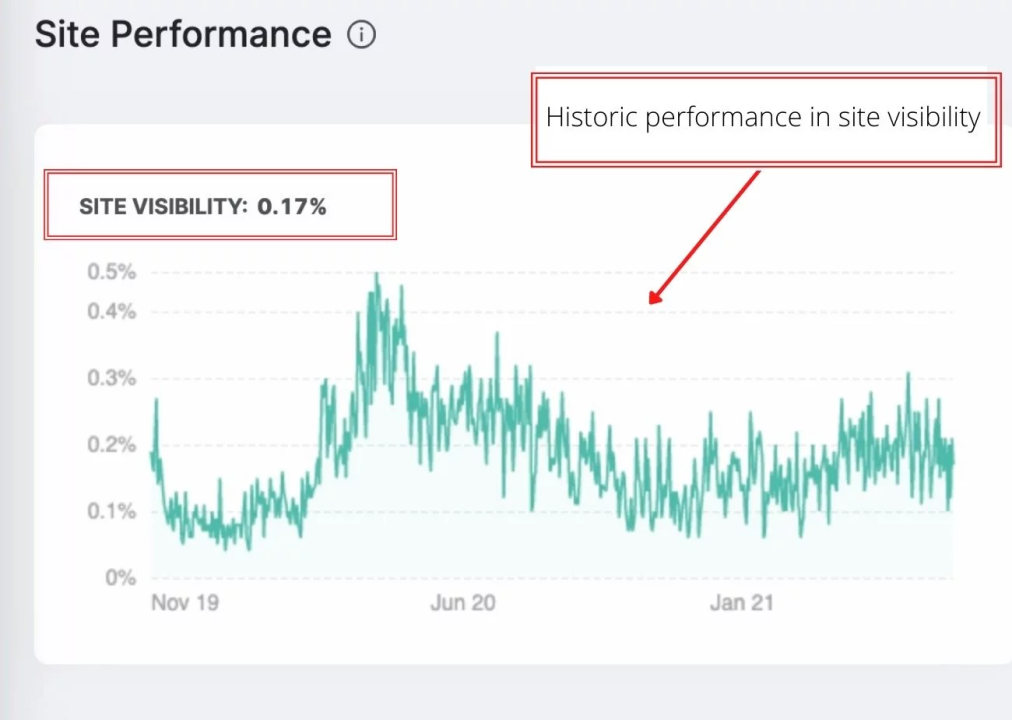
In search engine optimization, success is often discussed in terms of rankings, traffic, and keywords. However, two foundational concepts that shape all SEO outcomes are search visibility and search demand. Although they are closely related, they represent fundamentally different aspects of how users find information online. Confusing the two can lead to misaligned strategies, unrealistic expectations, and inefficient use of resources. Understanding their differences is essential for building sustainable, performance-driven SEO strategies.
Search visibility reflects how often and how prominently a website appears in search engine results. Search demand, on the other hand, represents how frequently users search for specific topics, products, or services. One measures presence, while the other measures interest. Both must work together to drive meaningful organic growth, but they require distinct analytical approaches and strategic decisions.
Search visibility refers to the degree to which a website appears in search engine results pages for relevant queries. It is influenced by keyword rankings, SERP features, indexing status, technical health, and content relevance. High visibility means a site consistently appears near the top of search results, increasing the likelihood that users will notice and click on it.
Visibility is not limited to ranking position alone. Appearing in featured snippets, local packs, image results, or “People Also Ask” sections also contributes to visibility. A website may rank on the first page but still have low visibility if competitors dominate richer SERP features. Therefore, visibility is best understood as overall exposure across search results rather than a single ranking metric.
Improving search visibility often involves optimizing on-page elements, strengthening internal linking, improving site performance, and earning authority through high-quality backlinks. These efforts help search engines understand content relevance and trustworthiness, allowing pages to surface more frequently for relevant queries.
Search demand represents the volume and frequency of searches conducted by users for particular keywords or topics. It reflects audience interest, intent, and behavior patterns. Demand is shaped by factors such as seasonality, trends, market awareness, economic conditions, and cultural shifts. Unlike visibility, demand exists independently of any single website.
A keyword with high search demand indicates strong user interest, but it does not guarantee traffic unless a website ranks visibly for it. Conversely, ranking first for a keyword with little or no demand will generate minimal traffic. This distinction highlights why understanding demand is as important as improving visibility.
Search demand analysis helps businesses identify what audiences are actively seeking. It informs content strategy, keyword targeting, and topic prioritization. By aligning content creation with real user interest, organizations can ensure their efforts address actual needs rather than assumed ones.
One of the most common SEO pitfalls is achieving high search visibility for keywords that lack sufficient demand. This often occurs when content is created around overly specific, niche, or internally driven topics that users rarely search for. While such pages may rank well due to low competition, they contribute little to traffic or business outcomes.
Visibility without demand can create a false sense of success. Rankings may look impressive in reports, but they fail to translate into engagement, leads, or conversions. This disconnect underscores the importance of validating keyword ideas against real search behavior before investing heavily in optimization.
However, low-demand keywords are not inherently useless. In some cases, they serve highly specific audiences with strong intent, such as technical documentation or specialized B2B solutions. The key is recognizing their role within the broader strategy rather than treating them as primary growth drivers.
Demand without visibility occurs when users actively search for topics relevant to a business, but the website does not appear prominently in results. This scenario often represents the greatest growth opportunity. High-demand keywords with low visibility indicate gaps in content quality, authority, or technical optimization.
Addressing this imbalance requires targeted SEO efforts. Improving content depth, aligning with search intent, enhancing user experience, and strengthening authority signals can gradually improve visibility for high-demand terms. Because user interest already exists, even small gains in ranking can lead to significant traffic increases.
This situation also highlights the competitive nature of SEO. High-demand keywords often attract many competitors, making visibility harder to achieve. Strategic prioritization, long-term planning, and consistent optimization are necessary to compete effectively.
Search intent bridges the gap between demand and visibility. Users may search frequently for a topic, but if the content presented does not match their intent, visibility alone will not lead to engagement. Search engines increasingly prioritize intent alignment over keyword repetition.
Understanding whether a query is informational, navigational, commercial, or transactional helps shape content that meets user expectations. When intent is matched accurately, visibility becomes more meaningful because users are more likely to engage with the content they find.
Intent-driven optimization ensures that demand is addressed with relevance. It prevents scenarios where pages rank but fail to satisfy users, which can harm long-term visibility due to poor engagement signals.
Search visibility is typically measured using metrics such as keyword rankings, impression share, and visibility scores provided by SEO tools. These metrics estimate how often a site appears in search results relative to competitors and total available opportunities.
Visibility tracking helps identify trends over time, assess the impact of optimization efforts, and benchmark performance against competitors. However, visibility metrics should not be viewed in isolation. Without context from demand and engagement data, they offer an incomplete picture of performance.
Effective measurement combines visibility data with traffic, click-through rates, and conversions. This integrated view reveals whether visibility improvements are driving meaningful outcomes or simply inflating surface-level metrics.
Search demand is measured primarily through keyword search volume, trend analysis, and topic popularity indicators. These metrics reveal how frequently users search for specific terms and how interest changes over time.
Demand measurement also involves understanding seasonality. Some keywords experience predictable fluctuations based on time of year, events, or industry cycles. Recognizing these patterns helps businesses plan content calendars and campaigns more effectively.
Beyond volume, demand analysis should consider keyword intent and competitiveness. High-volume keywords may be less valuable if competition is intense and intent does not align with business goals. Balanced evaluation ensures demand-driven decisions remain practical and strategic.
The most effective SEO strategies align search visibility with search demand. This alignment ensures that optimized pages appear prominently for queries users actively search for, maximizing both traffic and relevance.
Achieving this balance requires prioritization. Not all high-demand keywords are worth pursuing, and not all visible pages deserve further investment. Strategic alignment focuses resources on opportunities where visibility improvements will have the greatest impact on meaningful outcomes.
This approach emphasizes quality over quantity. Instead of chasing every possible keyword, organizations concentrate on topics that reflect audience needs, business objectives, and realistic ranking potential.
Search demand evolves over time. New technologies, social trends, and market shifts influence what users search for and how they phrase queries. Visibility strategies must adapt accordingly to remain effective.
Long-term SEO success depends on continuous monitoring and adjustment. Pages that perform well today may lose relevance tomorrow if demand shifts. Conversely, emerging topics may present new visibility opportunities before competition intensifies.
Organizations that treat SEO as an ongoing process rather than a one-time effort are better positioned to adapt to changing demand patterns while maintaining strong visibility.
Data-driven analysis is essential for distinguishing between visibility and demand. Relying on assumptions or intuition can lead to misallocated resources and missed opportunities. Accurate data reveals where interest exists and where visibility gaps need attention.
This analytical mindset is reflected in the methodologies followed by many Leading SEO Company, where decisions are grounded in search behavior insights rather than surface-level metrics. Such practices emphasize sustainable growth through informed strategy rather than short-term gains.
By continuously evaluating both demand and visibility, organizations can refine content strategies, improve prioritization, and align SEO efforts with real user needs.
From experience, one of the most valuable lessons in SEO is recognizing that rankings alone do not define success. True impact occurs when visibility meets genuine demand. Pages that solve real problems and appear where users are actively searching deliver far greater value than isolated ranking wins.
Focusing equally on what users want and how easily they can find it creates a more resilient SEO strategy. This balanced perspective encourages thoughtful content creation, realistic goal-setting, and continuous improvement.
Search visibility and search demand are distinct yet interconnected pillars of SEO success. Visibility measures presence, while demand measures interest. Confusing the two can lead to misleading metrics and ineffective strategies. Understanding their differences allows businesses to align optimization efforts with real user behavior.
By analyzing demand, improving visibility where it matters, and continuously adapting to change, organizations can build SEO strategies that deliver sustainable, meaningful results. When visibility and demand work together, search becomes not just a channel for traffic, but a reliable driver of long-term value.
Search visibility refers to how often and how prominently a website appears in search engine results pages for relevant queries. It includes rankings, impressions, and presence in SERP features, reflecting overall exposure rather than traffic alone.
Search demand represents how frequently users search for specific keywords or topics. It reflects real audience interest and intent, independent of any website’s rankings, and helps identify what users actively want information about.
Yes, a website can rank highly for keywords that very few people search for. While visibility may appear strong, low demand limits traffic and impact, making such rankings less valuable for growth.
This situation indicates missed opportunity. Users are actively searching, but the website does not appear prominently. Improving content relevance, authority, and technical SEO can help capture this existing demand.
Search intent connects demand with meaningful visibility. Even high-demand keywords will not perform well if content does not match user intent, reducing engagement despite rankings.
Neither works effectively alone. Search demand shows what users want, while visibility determines whether they can find your content. Successful SEO strategies balance both elements.
Search demand is measured using keyword search volume, trend analysis, and seasonality data. These metrics reveal how interest changes over time and help prioritize content opportunities.
Analyzing visibility and demand together prevents misleading conclusions. It ensures SEO efforts focus on topics with real interest while improving presence where it can drive meaningful engagement and results.