English
 Arabic
 French
 Spanish
 Portuguese
 Deutsch
 Turkish
 Dutch
Dutch
 Italiano
 Russian
 Romaian
 Portuguese (Brazil)
 Greek
Greek

What Are the Main Applications of PU Fabric?
Other |
2026-02-12 07:01:28
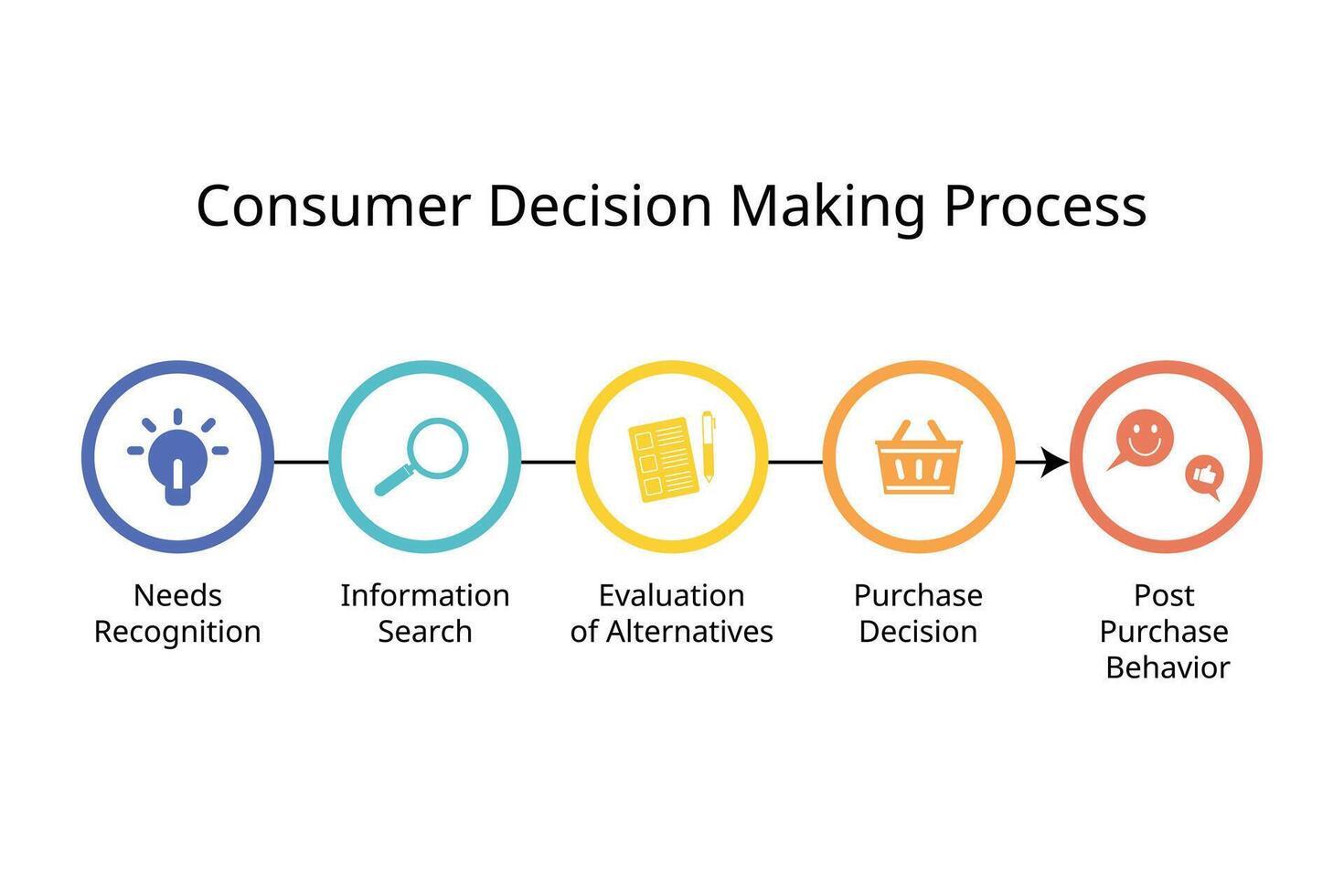
Online shopping has become a daily habit for millions of users, yet the decision to complete a purchase is rarely impulsive. Behind every click on the “Buy Now” button lies a series of conscious and subconscious evaluations. Understanding these factors is essential for building an e-commerce store that not only attracts visitors but also converts them into loyal customers. From trust signals to user experience, multiple elements work together to shape purchasing behavior.
Trust is the foundation of every successful e-commerce transaction. Since customers cannot physically see or touch products, they rely heavily on signals that assure them the store is legitimate and reliable. Secure payment badges, SSL certificates, transparent policies, and clear business information all contribute to credibility.
Customer reviews and ratings also play a major role in trust-building. Real, detailed reviews with images or verified purchase tags provide reassurance. Shoppers are more likely to buy when they see others sharing honest experiences, even if some reviews are not entirely positive. In fact, a mix of feedback often appears more authentic than perfect ratings.
Detailed and accurate product information significantly influences purchase decisions. Shoppers want to understand exactly what they are buying, including features, dimensions, materials, usage instructions, and benefits. Vague or incomplete descriptions create hesitation and increase the likelihood of cart abandonment.
High-quality product images and videos further enhance understanding. Multiple angles, zoom features, lifestyle images, and demonstration videos help customers visualize the product in real-world use. When users feel informed, their confidence in purchasing increases naturally.
Price remains one of the most influential factors in e-commerce, but it is not always about being the cheapest. Customers evaluate pricing based on perceived value. This includes product quality, brand reputation, included features, and after-sales support.
Transparent pricing builds trust. Hidden costs revealed at checkout often lead to abandonment. Displaying discounts clearly, explaining savings, and offering value bundles can positively influence decisions. Customers feel more comfortable when they understand why a product costs what it does.
A clean, intuitive, and fast-loading website plays a critical role in shaping purchase decisions. Confusing navigation, cluttered layouts, or slow pages create frustration and reduce trust. Users expect smooth browsing, easy product discovery, and a seamless checkout process.
Mobile usability is equally important. A significant portion of e-commerce traffic comes from mobile devices, and poor mobile design can instantly drive users away. Simple menus, readable text, and responsive layouts ensure a positive experience across all devices.
Even highly motivated buyers can abandon their purchase if the checkout process is complicated. Long forms, forced account creation, and multiple unnecessary steps increase friction. A streamlined checkout with guest options, auto-fill, and minimal required information improves conversion rates.
Multiple payment options also matter. Customers prefer flexibility, whether it’s credit cards, digital wallets, buy-now-pay-later services, or local payment methods. The easier it is to pay, the more likely users are to complete their purchase.
Shipping costs and delivery timelines strongly impact purchase decisions. High shipping fees are one of the most common reasons for cart abandonment. Clear communication about shipping charges, delivery times, and tracking builds confidence.
Fast and reliable delivery often outweighs slightly higher product prices. Many customers are willing to pay more for quicker shipping or guaranteed delivery dates. Offering free shipping thresholds can also encourage higher order values.
A clear and fair return policy reduces perceived risk. Customers feel more comfortable buying when they know they can return or exchange items easily if expectations are not met. Complicated or hidden return policies create doubt and hesitation.
Post-purchase support, such as easy access to customer service and order tracking, reinforces trust. Buyers are more likely to return to stores that handle issues transparently and efficiently.
Social proof extends beyond reviews. Mentions on social media, influencer recommendations, user-generated content, and testimonials all influence buying decisions. Seeing others use and endorse a product creates familiarity and confidence.
Brand reputation also matters. Well-established brands or stores associated with Top SEO Company in USA often benefit from perceived authority and reliability. Customers tend to trust brands that appear professional, consistent, and visible across multiple channels.
Personalized experiences significantly impact purchasing behavior. Product recommendations based on browsing history, location-specific offers, and personalized emails make users feel understood. Relevant suggestions reduce decision fatigue and increase the likelihood of conversion.
When customers see products aligned with their interests or needs, they are more likely to engage and buy. Personalization transforms browsing into a guided shopping experience.
Emotions strongly influence how customers behave on e-commerce websites. Psychological triggers such as scarcity, urgency, and exclusivity can push users toward quicker decisions. Messages like “limited stock available” or “offer ending soon” activate the fear of missing out, encouraging shoppers to act before delaying or reconsidering.
Beyond urgency, emotional reassurance also plays a major role. Visual cues such as trust badges, secure payment icons, and familiar brand elements help reduce anxiety during the buying process. When customers feel safe and confident, emotional resistance decreases and decision-making becomes easier.
Storytelling further strengthens emotional engagement. Brands that communicate the purpose, craftsmanship, or social impact of their products create deeper connections. Customers are often motivated by values and meaning, not just product features, which makes emotional storytelling a powerful driver of purchases.
Accessible customer support reassures buyers, especially when they are unsure or purchasing higher-value items. Features like live chat, chatbots, help centers, and visible contact information allow users to get quick answers without leaving the website. This immediate assistance reduces hesitation at critical decision points.
Timely responses play an equally important role. When customers receive fast and clear answers, they feel valued and supported. Delayed or unavailable support can create doubt, leading users to abandon carts or look for alternatives.
Support accessibility also extends beyond the purchase stage. Clear post-purchase communication, order tracking, and easy issue resolution contribute to overall satisfaction. When customers know help is available throughout the journey, they are more likely to trust the brand and complete purchases confidently.
Consistency across all touchpoints is essential for building trust in e-commerce. When messaging, pricing, visuals, and tone remain aligned from product pages to checkout and emails, users feel more secure. Inconsistencies, such as price changes or conflicting information, can raise doubts and reduce credibility.
Design consistency also improves usability. Familiar layouts, predictable navigation, and uniform branding help users move smoothly through the site. A consistent experience reduces cognitive effort, allowing customers to focus on product selection rather than figuring out how the website works.
Over time, consistency reinforces brand identity. When users repeatedly encounter a reliable and cohesive experience, they develop familiarity and confidence. This trust becomes a deciding factor not only for first-time purchases but also for long-term customer loyalty.
Purchase decisions are often influenced by how customers perceive future value, not just immediate benefits. Buyers evaluate whether a brand is worth returning to based on previous experiences, communication quality, and overall satisfaction. Positive interactions increase the likelihood of repeat purchases.
Loyalty programs, personalized recommendations, and follow-up emails strengthen long-term engagement. When customers feel recognized and rewarded, their emotional connection with the brand grows. This relationship-based approach shifts focus from one-time sales to ongoing engagement.
Brands that prioritize long-term relationships tend to achieve higher customer lifetime value. Satisfied customers are more likely to return, leave positive reviews, and recommend the store to others. Trust, consistency, and meaningful engagement turn individual transactions into lasting brand relationships.
Purchase decisions on e-commerce stores are shaped by a combination of rational evaluation and emotional response. Trust, clarity, usability, pricing, and support all work together to influence user behavior. From personal experience, the most successful e-commerce brands are those that prioritize the customer’s perspective at every step. When users feel informed, secure, and valued, purchasing becomes a natural outcome rather than a forced action.
Trust is usually the most important factor. Customers need to feel secure about payments, product quality, and return policies before completing a purchase. Without trust, even low prices cannot guarantee conversions.
Pricing influences perceived value. Customers compare prices with competitors, evaluate discounts, and consider overall benefits. Transparent pricing without hidden charges builds confidence and increases the likelihood of purchase.
Yes, reviews strongly influence decisions. Positive, detailed reviews reduce doubt, while balanced feedback appears more authentic. Many shoppers read reviews before making a final decision.
A clean, fast, and easy-to-navigate website improves user experience. If customers struggle to find products or face slow loading times, they are more likely to leave without purchasing.
High or unexpected shipping fees often cause cart abandonment. Clear delivery timelines and reasonable shipping costs encourage customers to complete their orders.
Yes, personalized recommendations and targeted offers make shopping easier and more relevant. When customers see products that match their interests, they are more likely to buy.
A clear and simple return policy reduces risk. Customers feel more comfortable buying when they know they can return or exchange products if needed.
Emotions like excitement, urgency, and trust strongly affect decisions. Limited-time offers, storytelling, and brand values can create emotional connections that encourage purchases.