English
 Arabic
 French
 Spanish
 Portuguese
 Deutsch
 Turkish
 Dutch
Dutch
 Italiano
 Russian
 Romaian
 Portuguese (Brazil)
 Greek
Greek

Comme des Garcons Style Guide: Clothing, Footwear, and Scent
Shopping |
2025-12-19 10:02:56
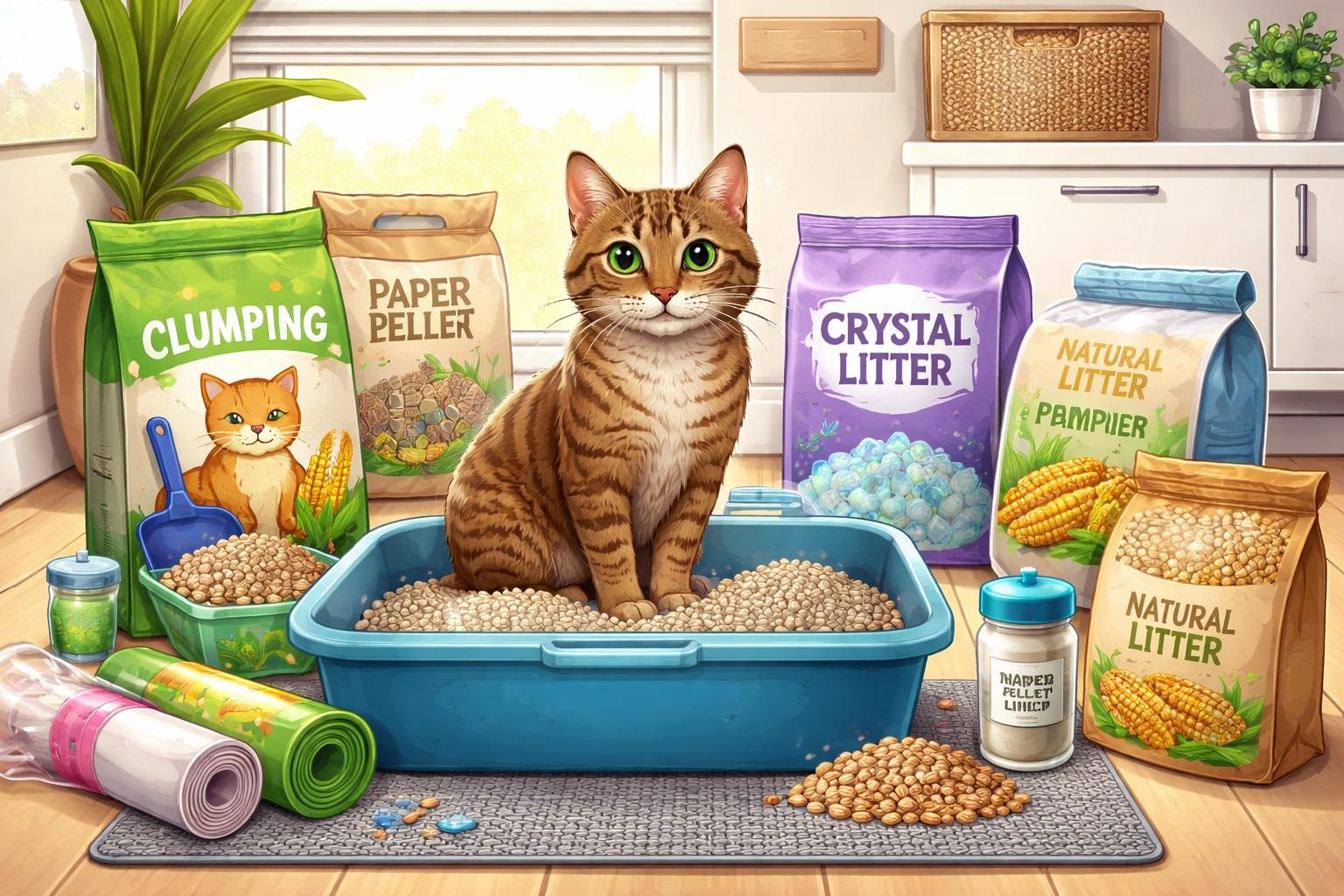
Choosing the right cat litter might seem like a small detail, but it plays a huge role in your cat’s health, hygiene, and happiness—not to mention your home’s cleanliness and odor control. With so many options on the market, pet parents often find themselves overwhelmed. From clay to crystal, clumping to flushable, the variety of cat litters today is impressive. But how do you decide which one is the best for your feline friend?
This comprehensive guide will walk you through the different types of cat litters, factors to consider when choosing one, how to transition between litters, and tips to maintain a clean litter box environment.
There’s no one-size-fits-all when it comes to litter. Different cats (and owners) have different needs and preferences.
The most popular choice among cat owners, clumping clay litter is made from bentonite clay. It forms solid clumps when wet, making scooping easy. It’s affordable, widely available, and typically offers strong odor control. However, it’s not biodegradable and can be dusty.
Before clumping litters became popular, non-clumping clay was the standard. It absorbs moisture but doesn’t clump, which can make cleaning harder. It often needs more frequent complete changes.
Made from tiny crystals of silica, this litter absorbs moisture well and traps odor. It’s low dust and lasts longer between changes. However, some cats dislike the texture, and it can be more expensive.
Options made from corn, wheat, wood, coconut husks, or recycled paper are gaining popularity among eco-conscious pet owners. These litters are often flushable and compostable, offering a sustainable solution.
Some cat litters include fragrances to help mask odor, while others rely on natural odor control. Some cats (and people) are sensitive to fragrances, so unscented might be the safer choice in those cases.
Here are key factors every cat parent should evaluate before picking the right litter:
A primary reason for using cat litter is to control the smell. Look for formulas that neutralize odors, especially if you live in a small space or have multiple cats.
Clumping litters are generally easier to scoop daily, reducing the need for full litter changes. Non-clumping options may require more frequent maintenance.
Low-dust options are better for cats with respiratory issues and help maintain cleaner floors. Look for litters that minimize tracking outside the box.
Your cat’s comfort matters most. Some cats dislike the texture or scent of certain litters. It may take some trial and error to find the one they prefer.
If you're aiming for a lower environmental footprint, consider plant-based or biodegradable litters. These are often flushable or compostable.
While every pet parent has their favorite, there are certain products that consistently rank among the best cat litters.
One example is the Arm and Hammer cat litter, known for its powerful odor control using baking soda. It comes in multiple varieties including clumping and lightweight options. Many users report less smell and longer-lasting freshness, which can reduce the need for frequent litter changes. However, like any product, it may not be perfect for every cat, especially those sensitive to fragrance.
Another high-rated option is Dr. Elsey’s Precious Cat, which is ideal for multi-cat households and cats with litter box aversion.
World’s Best Cat Litter, made from corn, is popular among environmentally conscious pet owners and is flushable, lightweight, and almost dust-free.
For households with more than one cat, choosing a multi cat litter can significantly improve odor control and reduce the need for frequent full litter changes.
Switching litter types can be tricky. Cats can be creatures of habit, and a sudden change in texture or scent can lead to litter box avoidance. Here’s how to make the transition smoother:
Gradual Mixing: Start by mixing a small amount of the new litter into the old one.
Increase Slowly: Over 7–10 days, gradually increase the proportion of the new litter.
Observe Your Cat: Watch for signs of discomfort, accidents, or refusal to use the box.
Keep the Box Clean: Cleanliness can reduce the likelihood of rejection during the transition.
No matter how good the litter is, poor maintenance can result in unpleasant smells and an unhappy cat.
Scoop Daily: Remove clumps and solids at least once a day.
Complete Change Weekly: Even clumping litters need a full box change once a week to avoid bacterial build-up.
Wash the Box: Scrub with mild soap and warm water during full changes.
Use Litter Liners (Optional): These can make clean-up easier but aren’t loved by all cats.
Keep It Deep: 2–3 inches of litter is ideal. More if your cat loves to dig.
The cat litter industry has been evolving rapidly with advancements in technology and sustainability. From plant-based clumping formulas to smart self-cleaning litter boxes, the modern pet parent has a lot more choices.
In the USA, there’s been an increasing shift toward eco-friendly and low-dust solutions. Brands are also investing in improved odor-control technology using natural ingredients like activated charcoal and baking soda.
Some new litter types even change color to indicate possible health issues in your cat, like urinary infections or kidney problems. While these should never replace regular vet visits, they provide an early warning system.
Never flush non-flushable litter—especially clay-based litter—as it can clog plumbing.
Don’t mix old and soiled litter with fresh during a box change.
Avoid using litter with overpowering scents, especially if your cat seems reluctant.
Don’t place the litter box in high-traffic or noisy areas. Cats value privacy.
Never punish a cat for accidents—it may indicate a litter issue or health problem.
Whether you’re a first-time cat parent or a seasoned feline friend, understanding cat litters is essential to creating a clean, comfortable, and healthy environment for your pet. The perfect litter balances odor control, ease of cleaning, comfort, and environmental impact. With thoughtful selection and proper maintenance, your cat's litter box doesn’t have to be a source of stress—for you or your pet.
If you’re still experimenting, don’t worry—your ideal match is out there. Whether you choose a biodegradable corn-based option or a proven brand like arm and hammer cat litter, the goal is to make your cat feel safe, clean, and happy.
Non-clumping natural litters like paper or wood pellets are often safest for kittens. They don’t pose a risk if accidentally ingested, unlike clumping varieties.
Generally, once a week for clumping litters and every few days for non-clumping ones. However, daily scooping is crucial to keep things clean.
Only flush litters that are labeled flushable. Never flush clay or silica litters as they can block plumbing and damage septic systems.
Use a litter mat outside the box to catch granules, choose low-tracking litter, and consider covered boxes or high-sided boxes to reduce mess.
It could be due to litter texture, scent, location of the box, cleanliness, or an underlying medical condition. A vet check is advisable if behavior suddenly changes.
Read more: Best Cat Food Choices for Indoor Cats, Kittens, and Seniors