


Seasonal Lawn Care Made Easy with Artificial Turf
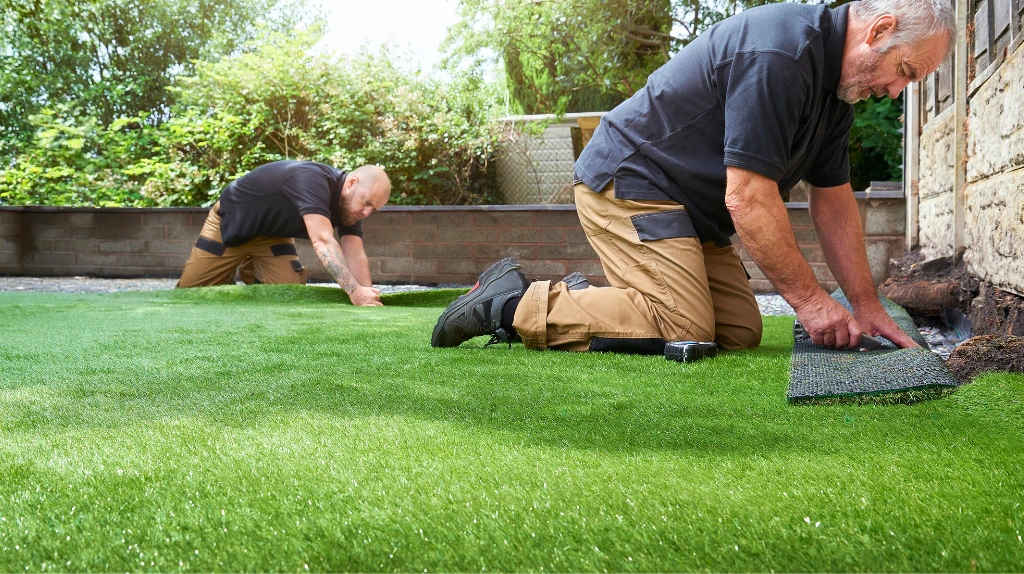
For many homeowners, keeping a lawn healthy and attractive throughout the year can feel like a never-ending task. Spring fertilizing, summer watering, autumn leaf removal, and winter protection all demand time, money, and effort. Weather changes, pests, and soil conditions add even more challenges. That’s why more people are turning to artificial turf as a practical solution for year-round greenery without seasonal stress.
Artificial turf offers the beauty of a lush lawn without the constant cycle of maintenance that natural grass requires. In this article, we’ll explore how artificial turf simplifies seasonal lawn care and why it’s becoming a smart, long-term investment for modern homeowners.
The Challenges of Seasonal Lawn Care
Natural grass is highly dependent on weather conditions. Each season brings unique requirements:
-
Spring requires fertilizing, reseeding, and weed control.
-
Summer demands frequent watering and mowing.
-
Autumn involves leaf removal and lawn repair.
-
Winter calls for protection against frost and dormancy.
These tasks can quickly add up in terms of time, labor, and cost. In regions with extreme climates—whether hot summers or freezing winters—maintaining natural grass becomes even more complicated.
Artificial turf eliminates most of these seasonal demands, offering a consistent, evergreen appearance throughout the year.
Spring: No Reseeding or Fertilizing Needed
Spring is traditionally the busiest season for lawn care. Natural grass often emerges from winter looking patchy or damaged. Homeowners typically spend time:
-
Reseeding bare spots
-
Applying fertilizers
-
Removing weeds
-
Aerating compacted soil
With artificial turf, none of this is necessary. Since synthetic grass doesn’t grow, there’s no need for fertilization or reseeding. It also prevents weeds from taking over, especially when installed with a proper weed barrier.
Instead of spending weekends repairing your lawn, you can enjoy a green, ready-to-use yard from the first warm day of spring.
Summer: No Watering or Mowing
Summer heat can be harsh on natural grass. Lawns often turn brown without constant watering. In many areas, water restrictions make it difficult to maintain a healthy lawn during peak heat.
Artificial turf requires no irrigation. This not only conserves water but also reduces utility bills. You don’t need to worry about sprinklers, hose systems, or dry patches caused by uneven watering.
Additionally, there’s no mowing required. Traditional lawns grow quickly during summer, often requiring weekly trimming. Artificial turf maintains a perfectly trimmed appearance without any cutting or edging.
This makes summer lawn care virtually effortless.
Autumn: Easy Leaf Management
Fall brings cooler temperatures and falling leaves. For natural grass, leaves must be regularly raked to prevent suffocation and mold growth.
With artificial turf, leaf removal is much simpler. You can use a leaf blower, broom, or light rake to clear debris quickly. Since there is no soil exposure, muddy patches are not a concern during rainy autumn days.
There’s also no need for seasonal fertilizing or overseeding before winter. Your lawn remains green and intact regardless of falling temperatures.
Winter: No Dormancy or Frost Damage
Natural grass typically goes dormant during winter, turning brown and brittle. Frost, snow, and ice can cause further damage, leading to repair work in spring.
Artificial turf, on the other hand, stays green throughout winter. It does not become dormant, and it can withstand cold temperatures without losing its appearance.
Snow can be gently removed if necessary, though it will naturally melt and drain through the turf’s permeable backing system. Unlike natural grass, artificial turf does not develop muddy patches during snowmelt.
Winter becomes a season of minimal concern for lawn maintenance.
Reduced Maintenance All Year Long
One of the biggest benefits of artificial turf is its low-maintenance nature. Instead of adjusting your lawn care routine with every season, artificial grass requires only basic upkeep throughout the year:
-
Occasional rinsing to remove dust
-
Brushing high-traffic areas
-
Removing debris
-
Cleaning pet waste promptly
These simple tasks replace the time-consuming seasonal treatments associated with natural grass.
Financial Savings Across Seasons
Seasonal lawn care often involves recurring expenses, including:
-
Fertilizers and weed killers
-
Water bills
-
Lawn mowing equipment
-
Professional landscaping services
-
Pest control treatments
Over time, these costs add up significantly. Artificial turf has a higher upfront installation cost, but it eliminates most seasonal expenses for 15 to 25 years.
For homeowners looking to reduce long-term landscaping costs, artificial turf provides substantial savings.
Environmental Benefits
Seasonal lawn care can have environmental impacts. Gas-powered lawn mowers contribute to emissions, and chemical fertilizers can contaminate water systems through runoff.
Artificial turf helps reduce:
-
Water consumption
-
Chemical usage
-
Carbon emissions from mowing equipment
By eliminating irrigation and fertilizers, artificial grass supports more sustainable landscaping practices.
Ideal for Busy Homeowners
Modern lifestyles often leave little time for yard work. Between work, family responsibilities, and social commitments, maintaining a natural lawn may feel overwhelming.
Artificial turf allows homeowners to enjoy a neat, green lawn without dedicating weekends to mowing or treating weeds. The convenience factor alone makes it a compelling choice.
Families with children and pets especially benefit from a mud-free, durable surface that remains usable in all seasons.
Great for All Climates
Whether you live in a hot, dry region or an area with heavy rainfall, artificial turf adapts well to various climates.
-
In dry climates, it eliminates the need for irrigation.
-
In rainy regions, proper drainage prevents puddles.
-
In cold climates, it withstands frost and snow.
This versatility makes artificial turf suitable for diverse weather conditions without seasonal adjustments.
Long-Term Durability
High-quality artificial turf is designed to last 15 to 25 years. Unlike natural grass that requires constant renewal, synthetic turf maintains its structure and color with minimal effort.
With professional installation and proper base preparation, artificial turf remains stable and attractive across multiple seasonal cycles.
Simple Seasonal Checklist for Artificial Turf
Even though artificial turf simplifies lawn care, a small seasonal routine keeps it looking its best:
Spring: Inspect seams and brush fibers.
Summer: Rinse occasionally to remove dust.
Autumn: Clear leaves and debris.
Winter: Allow snow to melt naturally and avoid sharp tools.
Compared to traditional lawn maintenance, this checklist is refreshingly simple.
Is Artificial Turf Right for You?
If you’re tired of adjusting your lawn care routine every season, artificial turf may be the ideal solution. It offers:
-
Year-round greenery
-
Reduced maintenance
-
Long-term cost savings
-
Environmental benefits
-
Consistent curb appeal
While the upfront investment may be higher than natural sod, the time and money saved over the years often make it worthwhile.
Final Thoughts
Seasonal lawn care can be demanding, unpredictable, and expensive. Artificial turf removes the stress of fertilizing in spring, watering in summer, raking in autumn, and repairing in winter.
By switching to artificial grass, homeowners can enjoy a consistently green, low-maintenance lawn in every season. It simplifies landscaping, reduces environmental impact, and provides long-lasting value.
If you’re looking for a smarter, easier way to manage your yard throughout the year, artificial turf makes seasonal lawn care truly effortless.

 English
 Arabic
 French
 Spanish
 Portuguese
 Deutsch
 Turkish
 Dutch
Dutch
 Italiano
 Russian
 Romaian
 Greek
Greek