


Benefits of Using an Excalibur Dehydrator at Home
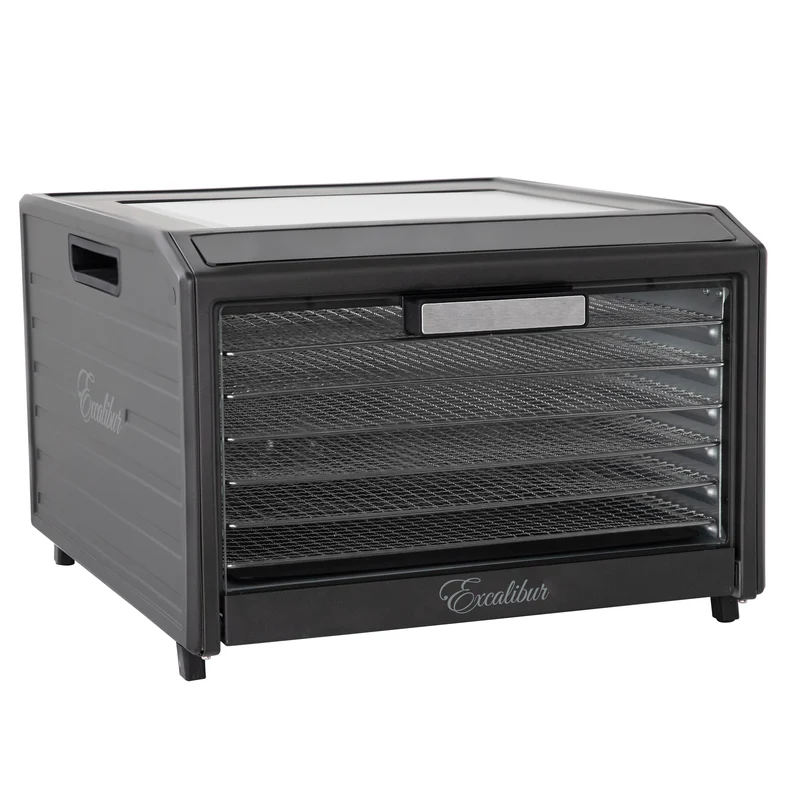
Benefits of Using an Excalibur Dehydrator at Home
A food dehydrator offers an efficient method for preserving a variety of foods by removing moisture, thereby reducing the risk of spoilage. This process not only prolongs shelf life but also maintains much of the original nutritional content, providing a practical solution for managing surplus produce. Employing controlled heat and airflow ensures even and thorough drying, transforming perishable items into stable, long-lasting alternatives. Additionally, the dehydration process supports sustainable food practices by minimising waste and enabling bulk preservation of seasonal items. Beyond its role in storage, the Excalibur dehydrator unlocks numerous culinary possibilities, making it a versatile tool for preparing snacks and enhancing meals. This post delves into the key features, benefits, and practical applications of food dehydrators, highlighting their contribution to efficient food preservation and resource management in the modern kitchen.
How Food Dehydrators Work?
Food dehydrators function by employing consistent airflow and controlled heat to extract moisture from food. The process involves warm air circulating the trays, ensuring an even distribution of heat across all items. This steady removal of moisture inhibits the growth of microorganisms, which are responsible for spoilage. Temperature regulation is crucial, as different foods require varying levels of heat to achieve proper dehydration without affecting quality.
Additionally, the design of the trays facilitates maximum airflow, preventing any uneven drying. Proper spacing of food items on the trays also ensures optimal results. By combining these elements, a dehydrator efficiently transforms perishable foods into shelf-stable alternatives, maintaining their integrity and extending their usability over time.
Nutritional Benefits of Dehydrated Foods
Dehydrated foods offer a method of preservation that maintains much of their original nutritional content. The gentle removal of moisture ensures that essential vitamins and minerals, such as A, C, and various B-complex vitamins, remain largely intact. Unlike methods involving high temperatures or chemical treatments, dehydration preserves these nutrients without compromising their integrity. This approach allows fruits, vegetables, and other foods to retain their health benefits over extended periods.
The absence of added preservatives or artificial substances further enhances the nutritional value, making dehydrated foods a natural and wholesome option. By conserving nutrients effectively, this method supports dietary needs while ensuring that seasonal or surplus produce remains a valuable resource throughout the year.
Versatile Use of Food Dehydrators
Food dehydrators provide an adaptable solution for preserving a diverse range of foods. Beyond drying fruits and vegetables, they are suitable for preparing jerky from meats, ensuring both flavour and shelf stability. Herbs and spices can be dried to maintain their potency for extended use in cooking. Additionally, dehydrators enable the creation of innovative snacks such as fruit leathers or vegetable crisps.
Ingredients like nuts and seeds can be dried for added crunch or inclusion in recipes. Dehydrators also support the preparation of baking components, such as flours from dried produce. Their ability to handle various food types makes them a practical tool for enhancing culinary options and reducing dependency on pre-packaged alternatives.
Energy Efficiency in Food Dehydrators
Food dehydrators are designed to operate with minimal energy consumption, making them an environmentally conscious choice for food preservation. Unlike methods such as freezing, which require continuous electricity, dehydrators focus energy on targeted heating and air circulation, ensuring efficient performance. Their use of thermostats and fans optimises energy output by maintaining consistent temperatures and airflow, avoiding unnecessary waste. This efficient operation reduces long-term energy costs, contributing to both economic and environmental benefits.
The ability to process multiple trays simultaneously further enhances their practicality, allowing for bulk preservation without additional energy expenditure. By incorporating thoughtful design and technology, dehydrators support sustainable practices while delivering effective results in preserving the natural qualities of food items.
Factors to Consider When Choosing a Food Dehydrator
When evaluating a food dehydrator, attention should be given to its specific features and capabilities to ensure it meets individual requirements. The number of trays and their arrangement are essential factors, as they determine how much food can be processed simultaneously. Consideration of the temperature range and its adjustability is vital, as different food types demand varying heat levels for effective dehydration. Noise levels should be assessed, particularly for use in quieter settings.
Additional elements such as timers, digital displays, or automatic shut-off features can enhance convenience. The overall build quality and durability of the dehydrator also play a significant role in long-term reliability. Selecting a model with features aligned to personal needs supports efficiency and ease of use.
Ease of Use and Maintenance of Excalibur Dehydrator
Operating an Excalibur dehydrator involves straightforward controls that allow for precise adjustments of temperature and drying times, making the process manageable for a variety of users. Many models feature intuitive designs with clearly labelled settings, ensuring that the dehydration process can be easily monitored and customised for different food types. Maintenance is simplified by the inclusion of removable trays and components, which are often designed to be washable.
Regular upkeep, such as cleaning trays and wiping down the unit, ensures long-term functionality and hygiene. The durable construction of many dehydrators supports repeated use without complicated care requirements, offering a practical solution for consistent food preservation while requiring minimal effort to keep the appliance in optimal condition.
Cost-Effectiveness of Home Dehydration
Home dehydration provides a cost-efficient method for managing food preservation, particularly by reducing the reliance on pre-packaged products. By drying seasonal produce or bulk purchases, households can optimise resources and minimise expenditure on items that may otherwise spoil. The process supports the preparation of affordable, homemade snacks, offering an alternative to commercially processed options.
Additionally, dehydrated foods require no ongoing refrigeration costs, further enhancing their economic value. The reduction of food waste through preservation contributes to financial savings while promoting responsible consumption. Over time, the initial investment in a dehydrator can be offset by the savings achieved through prolonged storage and decreased dependency on store-bought preserved goods, ensuring practical and sustainable management of household food supplies.
Preserving Flavour and Texture
The process of dehydration enhances the concentration of natural flavours by removing moisture, allowing foods to maintain their inherent taste without the need for artificial additives. This method ensures that the unique characteristics of each ingredient are preserved, making them suitable for both immediate consumption and later use in recipes. The careful drying process prevents the loss of textural qualities, ensuring that foods retain their distinct feel, whether crisp or chewy, depending on the item.
Properly dehydrated foods not only deliver enhanced flavour profiles but also maintain a consistency that complements their original form. This preservation method offers a practical way to enjoy the culinary and sensory attributes of various foods while extending their usability in diverse applications.
Reducing Food Waste
Food dehydrators serve as a valuable tool for managing surplus produce, enabling items that might otherwise perish to be preserved for future use. By removing moisture, foods are stabilised, reducing the likelihood of spoilage and extending their usability. This process allows seasonal fruits, vegetables, and herbs to be stored efficiently, minimising the environmental impact associated with food disposal. Dehydration contributes to sustainable food practices by ensuring that excess or near-expiry ingredients are transformed into long-lasting alternatives rather than discarded.
Additionally, preserving food through dehydration can support better resource management in households, reducing reliance on external storage solutions. By integrating this approach, dehydrators help maximise the potential of available ingredients while aligning with efforts to reduce wastefulness.
Safety Considerations with Food Dehydrators
Using a food dehydrator safely involves adhering to specific practices to ensure the preservation process is effective and hygienic. Foods should be cleaned thoroughly and sliced evenly to promote consistent drying and reduce contamination risks. Ensuring that the dehydrator operates at the correct temperature is essential to inhibit bacterial growth and maintain food safety standards.
Regular inspection of the appliance for cleanliness and functionality is also recommended to avoid potential issues during operation. Additionally, spacing foods appropriately on the trays ensures proper airflow and even dehydration. By incorporating these measures, the dehydration process supports the safe preparation of long-lasting and high-quality food products without compromising their nutritional or sensory properties.
Storing Dehydrated Foods
Ensuring the proper storage of dehydrated foods involves maintaining an environment that protects against moisture and air exposure. Using airtight containers or vacuum-sealed packaging helps preserve the quality and longevity of dried items. Glass jars, plastic containers, or resealable bags with secure seals are commonly used for this purpose.
Keeping the stored items in a cool, dark location further enhances their shelf life by preventing exposure to heat and light, which can degrade their nutritional content and flavour. Labelling containers with dates and contents can assist in organising supplies and tracking usage, supporting efficient and effective management of preserved foods.
Exploring Dehydrator Recipes
A food dehydrator offers the potential to create a wide range of recipes, transforming ingredients into versatile components or ready-to-eat snacks. Common preparations include drying fruits for natural sweets, crafting vegetable crisps for savoury options, or making fruit leathers.
Ingredients can also be prepared for soups and stews by drying herbs or vegetables. Spices and powders can be created for seasoning, while nuts and seeds can be dried for added texture in dishes, expanding culinary creativity and practical meal options.
Conclusion
In summary, the Excalibur dehydrator has established itself as an essential tool for the modern Australian kitchen, particularly for those committed to reducing waste and eating seasonally. Its unique horizontal airflow design ensures consistent results, allowing you to preserve everything from excess backyard mangoes to lean meats for high-protein snacks. By providing a chemical-free preservation method that locks in nutrients and intensifies natural flavours, it empowers households to move away from expensive, shop-bought alternatives. Investing in home dehydration is a practical step toward a more sustainable, cost-effective, and health-conscious lifestyle in our ever-changing environment.
Frequently Asked Questions
What makes the horizontal airflow of an Excalibur dehydrator better than vertical models?
The horizontal airflow system, featuring a rear-mounted fan, is a hallmark of the Excalibur Dehydrator design and is particularly suited to the Australian climate where humidity can vary. Unlike vertical models that stack trays on top of a base-mounted fan, the rear-mounted fan blows air evenly across every tray. This prevents "flavour mixing," meaning you can dry garlic on one tray and apples on another without their scents transferring. Furthermore, it eliminates the need to rotate trays manually halfway through the process, ensuring that the food at the top dries at the exact same rate as the food at the bottom.
How can I tell if my food is properly dehydrated and safe for long-term storage?
Testing for dryness is a critical skill for home preservation. Generally, fruits should feel leathery and pliable without any sticky spots, while vegetables should be brittle or "crispy" enough to snap. For meats like beef jerky, the piece should crack but not break when bent. A good Australian tip is to let a sample cool for a minute before testing, as warmth can make items feel softer than they actually are. If you see any beads of moisture when you squeeze a piece, it needs more time. When in doubt, a longer drying time at a low temperature is always safer for preventing spoilage.
Is it necessary to pre-treat fruits and vegetables before placing them in the dehydrator?
Pre-treatment is not strictly necessary, but it can enhance the final product's appearance and shelf life. For example, dipping light-coloured fruits like apples or bananas in a solution of water and lemon juice prevents enzymatic browning. For certain vegetables like broccoli or carrots, a quick blanching in boiling water helps set the colour and soften the fibres, which leads to better rehydration later in soups or stews. Many Australians prefer leaving food in its natural state to avoid extra steps, but pre-treatment is a valuable technique if you are aiming for professional, "shop-quality" results for your pantry storage.
What is the ideal temperature setting for drying different types of food?
Temperature control is vital for food safety and nutrient retention. For delicate items like herbs, a low setting of 35°C is best to preserve volatile oils. Fruits and vegetables typically require 52°C to 57°C to remove moisture efficiently without "case hardening," where the outside dries too fast and traps moisture inside. Meats and poultry must be dried at a higher setting of 63°C to 68°C to ensure any potential bacteria are destroyed. The Excalibur’s adjustable thermostat allows for these precise changes, which is far more reliable than using a standard kitchen oven that often runs too hot for delicate dehydration.
Can I use a food dehydrator to save money on my weekly grocery bill?
Absolutely, home dehydration is a fantastic way to stretch the Australian household budget. By purchasing "seconds" or bulk produce from local farmers' markets when they are in peak season and at their cheapest, you can create a year-round supply of snacks and ingredients for a fraction of the supermarket price. Dehydrating also allows you to save "near-expiry" items from the bottom of the fridge, such as wilting spinach or overripe tomatoes, by turning them into powders or leathers. Over time, the savings on expensive pre-packaged dried fruits, jerky, and herbs will easily offset the initial cost of the appliance.
|
Related Business Listings |

 Arabic
 French
 Spanish
 Portuguese
 Deutsch
 Turkish
 Dutch
Dutch
 Italiano
 Russian
 Romaian
 Portuguese (Brazil)
 Greek
Greek