


A Comprehensive Guide to Kuvings Juicer and its Functions
A Comprehensive Guide to Kuvings Juicer and its Functions
Juicing has become a widely recognised approach for incorporating essential nutrients into daily diets. Extracting liquid from fruits and vegetables offers a convenient way to consume a variety of vitamins, minerals, and other beneficial compounds. This process provides an opportunity to experiment with combinations of ingredients, creating drinks tailored to individual nutritional goals. Different juicing methods, including slow juicing, play a significant role in maintaining the quality of the juice produced. Factors such as nutrient preservation, juice clarity, and overall taste can be influenced by the type of Kuvings juicer used. For those seeking a more natural and wholesome lifestyle, juicing serves as an effective method to include fresh produce in a palatable form. Understanding the underlying techniques and advantages of juicing can provide insights into its role in supporting health and well-being.
Understanding Slow Juicers
Slow juicers operate through a methodical crushing and pressing mechanism to extract juice from produce, working at a lower speed compared to centrifugal models. This process is particularly effective in maintaining the integrity of nutrients and enzymes, as it generates minimal heat. The slow and steady extraction ensures a higher retention of vitamins, antioxidants, and other beneficial compounds. The design also allows for efficient handling of a variety of produce, including leafy greens and dense vegetables, which can be challenging for other types of juicers.
By prioritising nutrient preservation and efficient extraction, slow juicers provide a high-quality end product. Additionally, their operation often results in less foam and oxidation, producing juice with improved taste and clarity. These characteristics make them a preferred choice for those focused on obtaining maximum nutritional value from their ingredients.
Features of a Kuvings Whole Slow Juicer
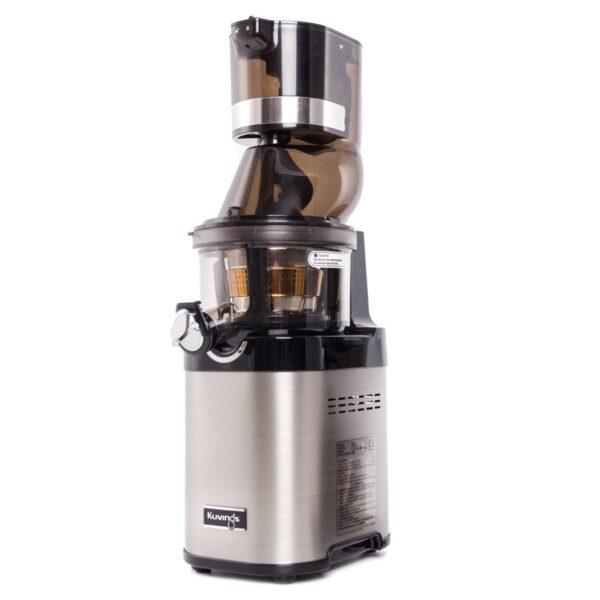
Whole slow juicers are designed to optimise the juicing process while simplifying preparation. A prominent characteristic is the inclusion of a wide feeding chute, which accommodates larger pieces of fruits and vegetables, minimising the need for extensive chopping. This feature helps save time and effort during use. The sturdy construction often incorporates durable materials, ensuring reliability over time. Advanced filtration systems are frequently integrated, aiding in the production of smooth, clear juice with minimal pulp content.
Kuvings Whole Slow Juicer is also designed with compact dimensions, allowing them to fit seamlessly into various kitchen spaces. Their functional design balances practicality with aesthetic appeal, making them suitable for diverse environments. Additional design considerations often focus on ease of assembly and operation, enabling users to prepare juice efficiently. Together, these features enhance the overall functionality and convenience of whole slow juicers.
Nutritional Advantages of Slow Juicing
Slow juicing is designed to retain the natural properties of fruits and vegetables by employing a gentle extraction process. This method ensures that key nutrients, including essential vitamins, enzymes, and antioxidants, remain intact. The slower speed of operation prevents the generation of excessive heat, which can degrade delicate compounds found in fresh produce. As a result, the juice produced is richer in nutritional content compared to methods that rely on high-speed extraction.
Furthermore, the process aids in preserving the natural enzymes that support digestion and overall health. The nutrient-dense juice obtained through this technique contributes to a more wholesome dietary intake. By extracting the juice in a way that minimises oxidation, slow juicing helps to maintain the freshness and quality of the drink for longer periods, providing a practical way to enhance daily nutrient consumption.
Ease of Use and Maintenance
Slow juicers are constructed with practical usability in mind, simplifying the process of juicing and upkeep. The design often incorporates clear assembly guidelines, ensuring that each component fits seamlessly for quick setup. Many models feature user-friendly mechanisms that reduce the effort required during operation. Cleaning is made efficient through detachable parts, which are commonly dishwasher-safe or easy to rinse manually.
Some designs include specialised cleaning tools, such as brushes, to assist with removing residue from finer components. The streamlined construction minimises the time spent on maintenance, allowing for consistent and hassle-free juicing sessions. These features collectively enhance the practicality of slow juicers, enabling a smooth integration into daily routines without unnecessary complications. The thoughtful engineering behind these appliances ensures they are straightforward to use and maintain, promoting an efficient and stress-free experience for their users.
Efficiency and Performance
Slow juicers are engineered to maximise the efficiency of juice extraction while maintaining consistency in performance. They utilise a gradual extraction process, which ensures a thorough separation of juice from the pulp, leaving minimal waste. This method allows for optimal use of fruits and vegetables, resulting in higher juice yields compared to certain other juicing methods.
The design of slow juicers accommodates a variety of produce, handling both soft and hard textures with ease. The internal mechanisms are structured to prevent clogging, ensuring uninterrupted operation and consistent results.
Additionally, their ability to handle fibrous and dense ingredients effectively makes them suitable for creating a wide range of juice recipes. The balance between functionality and output reflects the careful design considerations that prioritise both quality and efficiency in every juicing session.
Juice Quality and Taste
The extraction method used by slow juicers is designed to prioritise the preservation of natural flavours and textures in juice. By operating at lower speeds, these juicers minimise heat and oxidation, which helps to maintain the freshness of the ingredients. This process results in juice with a vibrant flavour profile and a smooth, refined consistency. The reduced presence of foam and pulp contributes to an enhanced sensory experience, making the juice more enjoyable to consume.
Additionally, the careful processing method ensures that the colour and aroma of the juice remain appealing. These factors collectively highlight the ability of slow juicers to produce beverages that reflect the authentic taste and quality of the original ingredients.
Versatility in Juice Recipes
Slow juicers are capable of handling a wide range of ingredients, accommodating everything from dense vegetables to delicate leafy greens. Their adaptability supports the creation of both single-ingredient juices and complex blends, allowing for endless variations in taste and texture. This flexibility enables the inclusion of seasonal produce or lesser-used ingredients, broadening the range of possibilities in beverage preparation. The ability to process fibrous or challenging items also makes them suitable for recipes requiring nutrient-dense components.
Whether focusing on specific health goals or exploring new flavour combinations, these juicers facilitate the crafting of beverages tailored to individual preferences. The consistent extraction method ensures that each juice retains its natural qualities, supporting creative approaches to nutrition and culinary experimentation.
Durability and Longevity of Kuvings Slow Juicer
Kuvings Slow Juicer is constructed with materials chosen for their strength and resistance to wear, ensuring consistent performance over time. High-quality components, such as durable augers and reinforced exteriors, contribute to their ability to withstand frequent use without compromising functionality. The careful engineering of these appliances reduces the likelihood of mechanical issues, supporting reliable operation even under regular strain. The design often incorporates features that minimise stress on internal mechanisms, extending the life of the juicer.
Many models are tested to endure prolonged use, reflecting the emphasis on creating a long-lasting kitchen tool. This durability allows slow juicers to remain a dependable part of daily routines, maintaining their effectiveness in juice extraction across extended periods of use.
Noise Levels during Operation
Operating at a reduced speed, slow juicers are specifically designed to minimise noise during use. The low-speed mechanism generates less vibration and sound compared to high-speed juicing alternatives, contributing to a quieter environment. This feature makes them particularly suitable for shared or noise-sensitive spaces where maintaining a calm atmosphere is important. The design incorporates sound-dampening components that further reduce operational noise, ensuring a more discreet performance.
The quiet operation of slow juicers allows for a peaceful kitchen setting, regardless of the time of day. This characteristic not only enhances the overall experience but also reflects the thoughtful engineering aimed at creating an appliance that blends functionality with consideration for the surrounding environment.
Cost and Value for Money
Slow juicers combine advanced functionality with long-term reliability, which contributes to their overall value. Their ability to extract higher juice yields ensures efficient use of ingredients, reducing wastage and offering greater cost efficiency over time. The durability of their components supports consistent performance, diminishing the need for frequent replacements or repairs. Additionally, the quality of juice produced by these juicers aligns with the emphasis on maintaining nutritional content, which adds to their practicality for health-focused lifestyles.
The initial expense is balanced by the extended lifespan and consistent performance of the appliance, making it a dependable addition to kitchen routines. The investment reflects thoughtful design and engineering aimed at delivering both functionality and enduring usefulness for everyday juicing needs.
Environmental Impact and Sustainability
Slow juicers support environmentally conscious practices through their efficient design and functionality. By extracting maximum juice from produce, they reduce food wastage and make optimal use of ingredients. Many models are crafted with energy-efficient systems, consuming less electricity during operation compared to faster alternatives.
Their durability further minimises the need for frequent replacements, reducing material waste over time. Additionally, the ability to process a wide variety of produce encourages the use of locally sourced or seasonal fruits and vegetables, promoting sustainable consumption habits.
Conclusion
In conclusion, Kuvings juicers represent a pinnacle of cold press technology, offering Australians a sophisticated way to integrate high-density nutrition into their daily lives. By moving away from high-speed blades and embracing the gentle power of masticating extraction, these machines ensure that every glass of juice is packed with living enzymes and stable vitamins. The thoughtful inclusion of wide-feeding chutes and easy-clean components addresses the practical needs of a modern kitchen, making healthy living both achievable and sustainable. Investing in a Kuvings juicer is a commitment to quality, efficiency, and long-term wellness through the pure essence of fresh produce.
Frequently Asked Questions
What makes the cold press technology in a Kuvings juicer different from a standard juicer?
Standard centrifugal juicers use high-speed spinning blades that shred produce and create significant friction and heat. This process introduces oxygen into the juice, causing rapid oxidation and the breakdown of delicate enzymes. A Kuvings Juicer uses a vertical Auger—a large screw-like mechanism—that slowly crushes and presses the fruit or vegetables against a screen. This "masticating" method generates virtually no heat and minimal aeration, meaning the nutrients remain biologically active and the juice stays fresh and vibrant for much longer without separating or turning brown.
Can I really put whole fruits into a Kuvings whole slow juicer without cutting them first?
Yes, one of the signature features of the Kuvings Whole Slow Juicer range is the extra-wide feeding chute, often referred to as a "flip gate." This design is wide enough to accommodate a medium-sized whole apple, a whole orange, or large chunks of beetroot and carrot. By reducing the need for intensive pre-cutting and preparation, the juicing process becomes much faster and more convenient for busy Australian households. However, it is always recommended to remove large hard pits, such as those found in peaches or cherries, to protect the internal straining screen from damage.
Is a cold press juicer effective at processing leafy greens like kale and spinach?
Leafy greens and fibrous vegetables are where Kuvings cold press juicers truly excel. Centrifugal juicers often struggle with greens, spinning them around without extracting much liquid. Because the Kuvings Auger slowly "chews" the produce, it is highly efficient at squeezing every drop of nutrient-rich juice out of fibrous items like kale, spinach, celery, and even wheatgrass. To get the best results when juicing greens, it is often helpful to alternate them with harder, juicier items like apple or cucumber, which helps push the dry fibre through the pulp outlet more effectively.
How much time does it actually take to clean a Kuvings juicer after a session?
While many people worry that slow juicers are difficult to clean, Kuvings has engineered specific tools to make the process incredibly fast. Every juicer comes with a patented green rotary cleaning brush that fits perfectly over the round juicing strainer. By holding the strainer under running water and twisting the brush, you can scrub the entire mesh surface in seconds. Most users find that the total cleaning time for all components is under three minutes. For those who juice daily, a quick "pre-rinse" by pouring water through the machine while it is still running can simplify the final clean-up even further.
Does the juice produced by a slow juicer have a different texture than other juices?
The texture of cold-pressed juice is notably different; it is typically much smoother, richer, and more full-bodied. Because the produce is pressed rather than shredded, there is very little foam or froth on the surface. Furthermore, because the cellular structure of the juice remains intact during the slow extraction, it does not separate into layers of water and solids as quickly as centrifugal juice does. This high-quality texture also means the juice retains its natural, deep colour and a more intense, authentic flavour profile that reflects the true quality of the Australian produce you are using.
|
Related Business Listings |

 Arabic
 French
 Spanish
 Portuguese
 Deutsch
 Turkish
 Dutch
Dutch
 Italiano
 Russian
 Romaian
 Portuguese (Brazil)
 Greek
Greek