


5 Definitive Signs Root Canal Treatment Cannot Wait
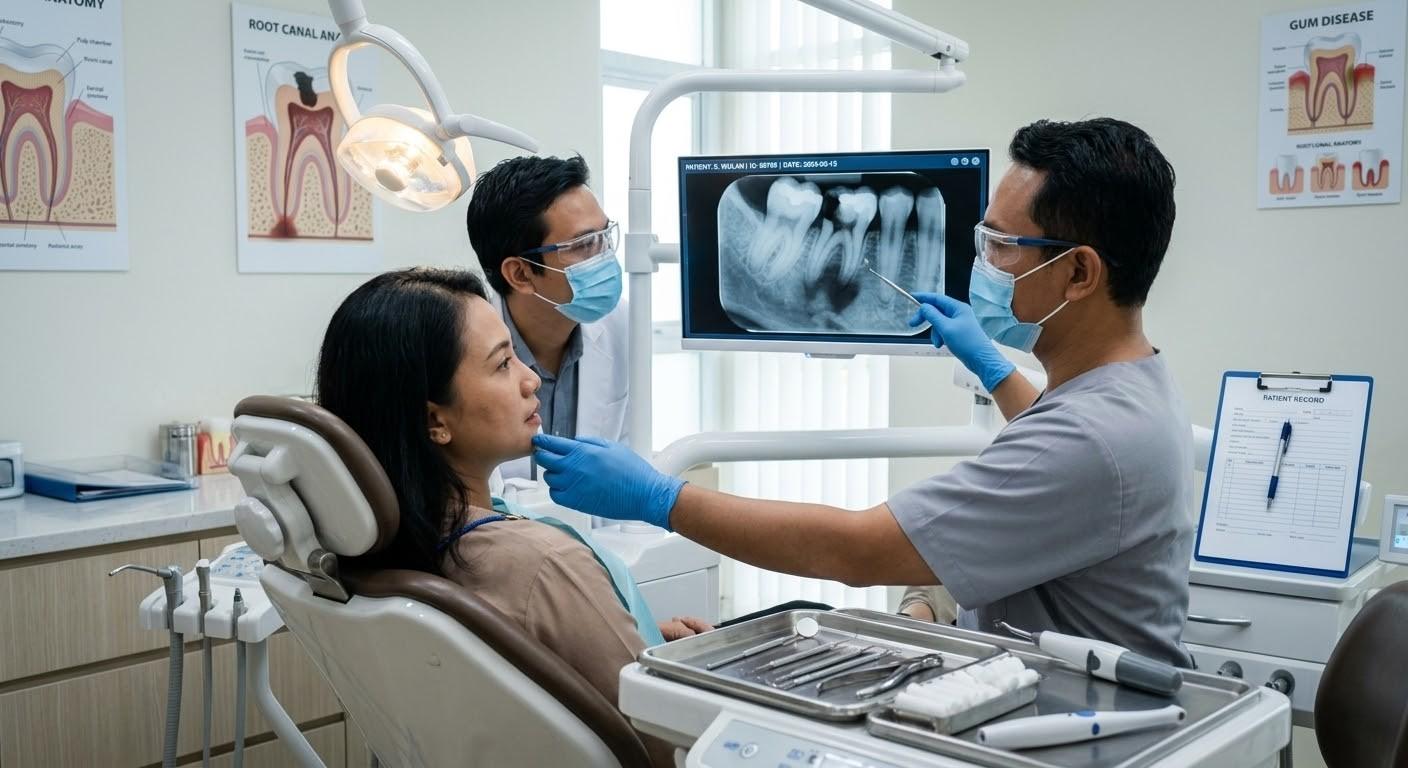
The mere mention of root canal therapy sends anxiety through countless patients. This fear, however, is rooted in mythology rather than modern dental science. Today's procedures are routine interventions designed to preserve teeth that would otherwise face extraction. Postponing care never improves outcomes—it only guarantees more complex problems down the road.
Your body has its own alert system for dental trouble. At the heart of every tooth lies pulp tissue, a living network of nerves and blood vessels that sustains tooth vitality. When bacterial invasion or physical injury damages this inner structure, root canal procedures become essential for tooth salvation. Recognizing whether your symptoms indicate superficial irritation or genuine pulp pathology requires knowing what signs matter.
There's no advantage to waiting until pain becomes overwhelming. Specific symptoms clearly signal when pulp health has seriously deteriorated. Here are five warning signs that should prompt you to contact a dentist near Clementi about preserving your natural tooth.
1. Thermal Sensitivity That Refuses to Subside
Occasional sharp sensations from iced beverages or hot soup affect nearly everyone. When these feelings disappear within seconds, they typically indicate minor enamel thinning or gum recession rather than serious disease.
The concerning pattern emerges when sensitivity persists for extended periods. If cold air, warm foods, or sweet treats trigger discomfort lasting minutes or even hours, your pulp nerve is clearly compromised. This prolonged response reveals that infection has penetrated beyond the tooth's protective outer layers, reaching the pulp chamber. Bacteria usually gain access through deep cavities or microscopic fractures invisible to the naked eye. Once established, they cause the nerve to react dramatically to temperature fluctuations. This clinical presentation strongly suggests that pulp removal may be necessary.
Experiencing this persistent sensitivity warrants immediate evaluation by a dentist at Clementi who can determine the extent of pulpal involvement.
2. Discomfort Specifically With Biting Forces
Temporary fatigue after chewing dense foods is entirely normal. Persistent pain specifically when applying biting pressure, however, indicates underlying pathology. Many patients unconsciously modify their chewing habits, rationalizing the discomfort as muscular strain.
As pulp tissue necrotizes, internal neural function deteriorates. Conversely, the periodontal ligament and surrounding alveolar bone maintain full sensory capacity. Infection accumulating at the root apex generates significant inflammation in the jawbone. Each occlusal contact transmits mechanical pressure to this compromised region, producing variable pain characteristics. Unlike superficial cavities responding to chemical stimuli, this pressure-induced pain signifies structural compromise. The tooth has lost its ability to bear normal forces. Intervention is required before mobility develops.
A qualified dentist near Clementi can perform diagnostic percussion tests and radiographic imaging to confirm pulpal status and recommend appropriate treatment.
3. Isolated Tooth Discoloration
Generalized yellowing of the entire dentition from dietary pigments represents normal physiological aging. When a single tooth develops gray, brown, or markedly darker coloration compared to adjacent teeth, however, internal pathology is present.
This intrinsic discoloration occurs following vascular compromise. Similar to subcutaneous bruising, hemoglobin breakdown products diffuse through dentinal tubules when pulp vitality is lost. The color change may evolve gradually, sometimes manifesting months after traumatic incidents or substantial coronal fractures. Absence of pain does not indicate health; discolored teeth frequently harbor necrotic pulp tissue. Professional assessment prevents future infectious complications or catastrophic structural failure.
Establishing care with a dentist at Clementi enables early detection of these subtle changes through routine clinical examination.
4. Suppurative Gingival Lesions
Healthy gingival tissue presents as uniformly pink and resilient. Unexpected edema or focal elevations resembling cutaneous pustules require immediate professional attention. These lesions represent sinus tracts—physiological drainage pathways created by the immune system.
Intra-radicular bacterial proliferation generates purulent material. Host defense mechanisms create transosseous channels to achieve drainage through mucosal surfaces. Digital pressure may express malodorous fluid. Advanced cases demonstrate facial swelling or regional lymphadenopathy. Antimicrobial therapy alone cannot resolve the infection; the intra-tooth source requires definitive treatment.
Locating a dentist near Clementi offering urgent care appointments ensures timely source control when these suppurative manifestations appear.
5. Structural Breach or Extensive Caries
Patients often recall specific precipitating events—biting unexpected hard objects, restoration failure, or traumatic injuries. Any substantial compromise of coronal integrity creates pathways for microbial invasion.
Oral fluids harbor diverse microbiota constantly seeking entry points. Fracture lines provide direct access to pulp tissue. Clinically apparent cracks, particularly those creating palpable step defects, carry substantial infection risk. Similarly, seemingly minor carious lesions may extend significantly beyond clinical appearance. Once microbial invasion reaches the pulp chamber, host defenses prove inadequate. Only complete debridement of infected contents and sealing can restore periapical health.
Maintaining relationship with a dentist at Clementi provides immediate access to definitive care when structural emergencies arise.
Implementing Treatment Protocols
Recognition constitutes merely the initial step. Odontogenic infections demonstrate relentless progression without intervention. Delays transform routine endodontic therapy into surgical extraction requirements.
For western Singapore residents, provider selection significantly impacts outcomes. Patients benefit from clinicians who conduct thorough evaluations and present treatment alternatives transparently. Those in the area should identify a dentist near Clementi accommodating urgent scheduling needs. Geographic convenience minimizes stress during acute episodes.
Furthermore, reputation research and personal referrals assist in selecting a reputable dentist at Clementi. Community-integrated practices typically demonstrate superior understanding of local patient needs. They facilitate appropriate diagnostic protocols without commercial pressure. Diagnostic accuracy takes precedence over treatment speed.
The Imperative for Immediate Action
Many patients perceive endodontic therapy as hazardous or unbearably painful. Contemporary anesthetic techniques and advanced instrumentation render procedures remarkably comfortable. Most recipients describe experiences comparable to routine restorative appointments. The genuine danger lies in untreated infection propagation, potentially affecting adjacent structures or systemic health.
Natural dentition preservation represents the optimal outcome. Although prosthetic alternatives exist, biological teeth maintain superior functional and aesthetic properties. Recognition of any aforementioned signs should prompt immediate examination scheduling. Suffering is unnecessary. Recovery begins with professional consultation.

 English
 Arabic
 French
 Spanish
 Portuguese
 Deutsch
 Turkish
 Dutch
Dutch
 Italiano
 Russian
 Romaian
 Portuguese (Brazil)