


Prolonging the Life of Your Forklift Hydraulic System
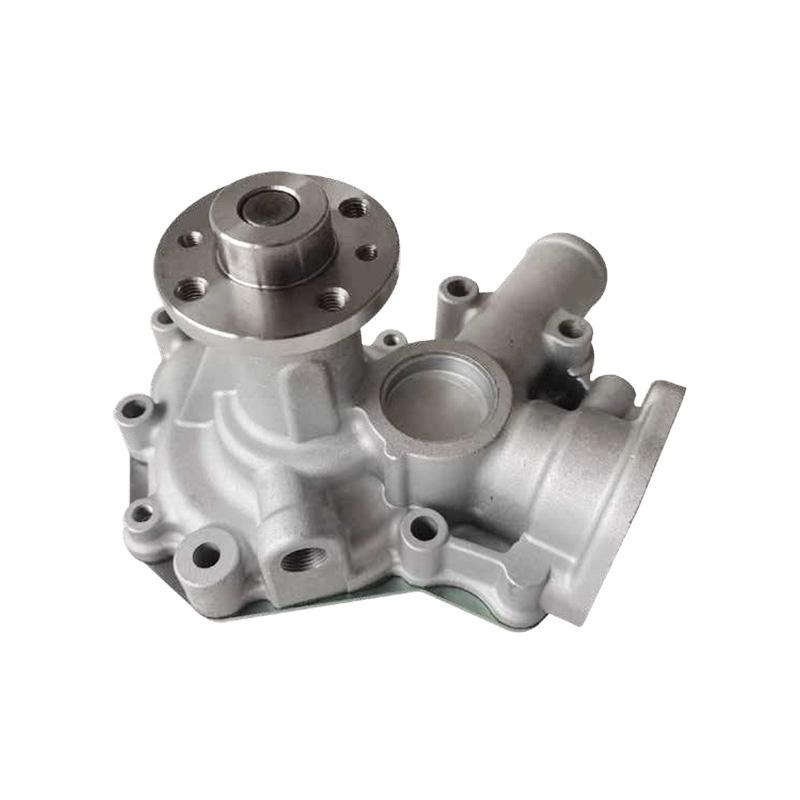
The forklift pump serves as the fundamental source of power for a forklift's load-handling capabilities. Situated within the intricate hydraulic circuit, this component's primary task is to transform engine torque into pressurized fluid flow. This pressurized flow is the muscle behind every lift, lower, and tilt action the machine performs. A deep understanding of how the forklift pump integrates into the broader system provides valuable insight into the forklift's overall mechanics and underscores the importance of this pivotal element in daily logistics and warehouse operations.
Typically, the type of pump used in these applications is a gear pump, valued for its simplicity, durability, and efficiency. It consists of two meshing gears that rotate inside a tightly sealed housing. As the gears turn, they create a vacuum on the inlet side, drawing fluid into the pump. This fluid is then carried between the gear teeth and the housing to the outlet side, where it is forcibly ejected as the gears mesh again. This continuous action is what generates the relentless flow required by the hydraulic system. The robust design of this forklift pump makes it suitable for the demanding environments of industrial workplaces.
The performance of a forklift is directly tied to the output of its forklift pump. Key specifications include the pump's displacement, which defines the volume of fluid it can move per revolution, and its pressure rating, which must be compatible with the system's relief valve settings. A pump with insufficient flow will result in lethargic cylinder movement, slowing down cycle times and reducing productivity. Conversely, a forklift pump that is correctly sized and specified ensures that the hydraulic system responds quickly and powerfully to the operator's commands, facilitating efficient and safe load management.
When the time comes for a replacement, selecting the appropriate forklift pump is a decision that requires careful consideration. It is not a matter of finding any pump that fits physically. The replacement forklift pump must match the original equipment's specifications for flow, pressure, shaft size, and rotation direction. Installing an incorrect pump can lead to systemic issues, including overheating, premature component wear, and failure to perform to standard. Consultation of the forklift's technical documentation is essential to identify the correct part number and specifications for the forklift pump.
The forklift pump is much more than a simple part; it is the generator of the hydraulic force that defines the forklift's purpose. From its basic operational principles to the critical considerations for its replacement, the forklift pump demands respect and understanding. Ensuring this component is properly maintained and correctly specified is paramount for achieving dependable performance, safeguarding other hydraulic components, and maintaining the forklift's value as a critical piece of material handling equipment.

 English
 Arabic
 French
 Spanish
 Portuguese
 Deutsch
 Turkish
 Dutch
Dutch
 Italiano
 Russian
 Romaian
 Greek
Greek