


Allergies Aren’t Just for Kids – What Adults Need to Know
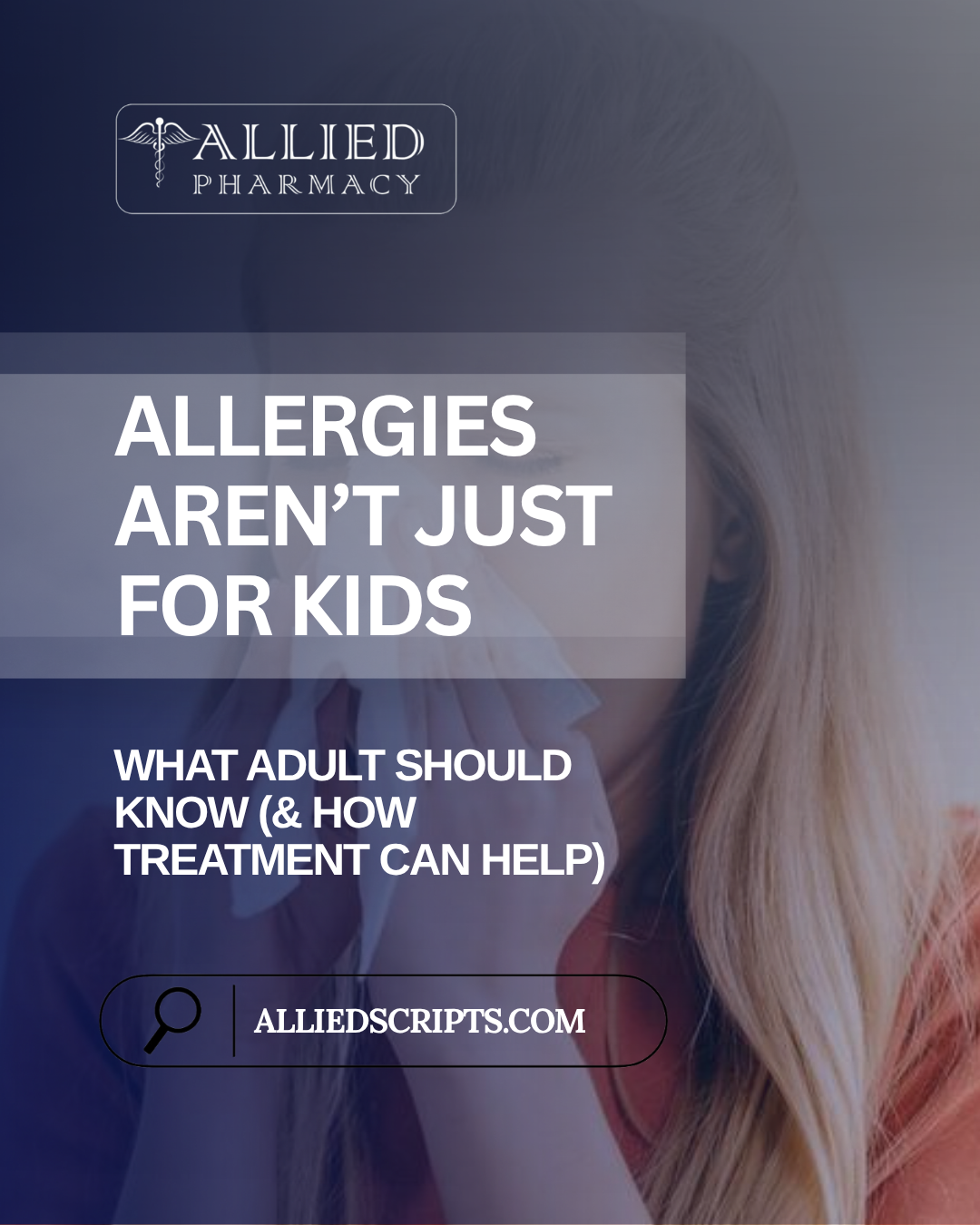
When people think of allergies, they often imagine children sneezing during pollen season or kids reacting to peanuts. But the truth is, allergies are not just for kids. Adults can develop allergies at any point in life—even in their 30s, 40s, or later. This surprising reality leaves many adults confused, frustrated, and wondering why they suddenly have allergic symptoms they never experienced before.
Why Adults Develop Allergies
Allergies occur when the immune system overreacts to substances (allergens) that are usually harmless, like pollen, dust, pet dander, or certain foods. While many people first notice allergies in childhood, it’s possible for the immune system to become sensitive later in life.
Reasons why adult allergies develop include:
-
Changes in the immune system: With age, the immune system can become more reactive to allergens.
-
Environmental exposure: Moving to a new area with different plants, pollens, or climates can trigger new allergies.
-
Lifestyle changes: Owning a pet, starting a new job, or spending more time outdoors may increase allergen exposure.
-
Family history: Genetics still play a role; even if you didn’t react as a child, allergies may surface later.
Common Adult Allergies
-
Seasonal allergies (hay fever): Sneezing, runny nose, itchy eyes.
-
Dust mite allergies: Congestion, cough, and nighttime breathing problems.
-
Pet allergies: Sneezing, itchy eyes, and rashes after exposure.
-
Food allergies: Swelling, stomach upset, or even life-threatening reactions.
-
Skin allergies: Rashes or hives triggered by soaps, detergents, or cosmetics.
Symptoms to Watch Out For
Adults sometimes dismiss allergies as “just a cold.” But unlike colds, allergies are persistent and recurring. Key symptoms include:
-
Sneezing, runny nose, nasal congestion
-
Watery or itchy eyes
-
Skin rashes or hives
-
Swelling of lips, face, or throat (in food allergies)
-
Breathing difficulty or wheezing
Treatment and Management
The good news is that allergies can be managed effectively:
-
Identify triggers: Allergy testing can pinpoint the allergens causing symptoms.
-
Avoid exposure: Minimize contact with allergens by using air purifiers, washing bedding, and avoiding known triggers.
-
Medications: Antihistamines, nasal sprays, and eye drops help relieve symptoms.
-
Allergy shots (immunotherapy): Long-term treatment that trains the immune system to be less reactive.
-
Emergency care: For severe food allergies, carrying an epinephrine injector is essential.
Conclusion
Allergies don’t stop with childhood—they can begin at any age. If you’re experiencing unexplained sneezing, congestion, or skin problems, don’t ignore them. Talk to your healthcare provider, get tested, and explore treatment options.

 English
 Arabic
 French
 Spanish
 Portuguese
 Deutsch
 Turkish
 Dutch
Dutch
 Italiano
 Russian
 Romaian
 Greek
Greek