


What Are the Cons of Home Elevators?
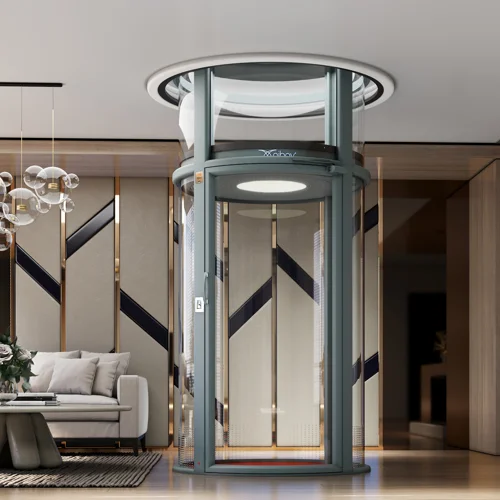
Home elevators have become an increasingly popular choice for homeowners seeking convenience, accessibility, and luxury. Whether you're planning for a new home or looking to upgrade an existing one, installing a home elevator can be an exciting decision. While the benefits are undeniable—providing easy access to multiple floors, enhancing the home’s aesthetic, and increasing property value—home elevators come with a set of drawbacks that need careful consideration. This article will explore the cons of home elevators, focusing on the challenges associated with installation, maintenance, costs, and design constraints.
Understanding Home Elevators
A home elevator, or "home lift," is a vertical transportation system designed to carry people or goods between floors in a residential setting. Home elevators have been around for decades, but with advances in technology, they're becoming more affordable, energy-efficient, and visually appealing. Home elevators can be custom-designed to fit the aesthetic of your home, and the right one can blend seamlessly with your interior decor.
But as with any major home improvement project, installing a home elevator has its challenges. From small home elevator costs to design limitations and ongoing maintenance, there are a number of cons that homeowners should consider before making a final decision.
The Pros of Home Elevators: A Quick Recap
Before diving into the cons, it’s important to remember why people opt for home elevators in the first place. They provide numerous benefits, including:
-
Convenience: Home elevators make it easier to move between floors, especially for those with mobility challenges or young children.
-
Accessibility: Elevators provide greater accessibility for elderly family members, reducing the risk of falls and accidents.
-
Space-saving: Compared to stairs, elevators occupy less space and can be designed to fit into narrow or compact spaces.
-
Property Value: Installing a home elevator can increase the value of your home, making it a more attractive option for potential buyers.
-
Design Flexibility: Many modern home elevators can be custom-designed to match the aesthetic of your home, enhancing its visual appeal.
Despite these advantages, home elevators do have their disadvantages. Let’s take a closer look at the cons.
1. High Installation Costs
One of the most significant cons of home elevators is the high initial cost of installation. Although the price varies depending on the type of elevator, the complexity of the installation, and the size of the home, the cost can range anywhere from $50,600 to $103,600. This price typically includes the cost of the elevator unit itself, installation labor, electrical work, and any necessary building modifications.
Why is installation so expensive?
-
Customization: Home elevators are highly customizable, and the cost increases based on specific design features, materials, and finishes.
-
Structural Changes: Many homes, especially older ones, need structural modifications to accommodate an elevator. This can add to the installation cost.
-
High-End Features: Home elevators often come with advanced technology, energy-efficient motors, and other premium features that raise the price.
For homeowners on a budget, this can be a significant hurdle. Although small home elevators may be less expensive, they still carry a substantial cost, especially when factoring in ongoing maintenance.
2. Ongoing Maintenance Costs
Just like any other piece of machinery, home elevators require regular maintenance to keep them running smoothly. Regular service ensures safety and helps avoid costly repairs down the line. Maintenance tasks include inspecting the mechanical system, checking the motor, lubricating parts, and cleaning the cabin.
How much does elevator maintenance cost?
The cost of maintenance for home elevators can range from $300 to $1,000 annually, depending on the type of elevator and how often it’s used. Neglecting regular maintenance can lead to performance issues or even breakdowns, which can be expensive to repair.
While the costs may seem manageable, they can accumulate over time. In addition to regular service, home elevators also require periodic updates to meet safety standards and technology advancements, further adding to the overall long-term cost.
3. Limited Design Options and Space Constraints
Although home elevators come in a variety of styles, they still have limitations when it comes to space and design. Elevators require a certain amount of space in your home, and the installation process can limit design choices, especially in homes that have limited square footage or older layouts.
For smaller homes, fitting an elevator into the available space can be a challenge. A small home elevator may be an option, but it still requires a shaft, electrical connections, and a platform. You may need to adjust your floor plan to make room for the elevator, which could impact other aspects of your home’s design.
Additionally, the look and feel of the elevator cabin may not always match the rest of your home’s decor. Homeowners looking for sleek, modern aesthetics may find it difficult to integrate the elevator seamlessly into their design vision.
4. Potential Safety Hazards
While home elevators are generally safe when properly installed and maintained, there are still potential safety risks. For example, if the elevator is not installed with the correct safety features, there is a risk of malfunctioning, such as getting stuck between floors or failing to respond to control buttons.
Key safety issues to consider:
-
Electrical failures: Home elevators rely on electrical power. If there’s a power outage, the elevator may not work, leaving people stranded.
-
Mechanical failure: Like any mechanical system, parts of the elevator can wear out or fail, leading to potential accidents.
-
Improper installation: If the elevator is not installed correctly, it could result in unsafe operation, which is a significant concern, especially if children or elderly family members use it.
Therefore, it is essential to choose a high-quality elevator with safety features such as emergency stop buttons, backup power systems, and robust safety mechanisms. Proper installation and maintenance also play a crucial role in minimizing safety risks.
5. Space Consumption
Although elevators save space compared to traditional staircases, they still occupy a substantial amount of room, especially in smaller homes. Installing an elevator requires a dedicated shaft, which can take up valuable space. This may affect the overall layout of the home, particularly in areas where every square foot is precious.
In multi-story homes, placing an elevator in a convenient location can be a challenge. A poorly placed elevator can make certain areas feel cramped or less functional. Additionally, if you already have a staircase in place, adding an elevator could compromise the flow and space in your home.
For homeowners with limited space or open floor plans, this could be a significant drawback.
6. Resale Value and Marketability
While home elevators can increase property value, they may not necessarily appeal to all buyers. Some potential buyers may find home lifts unnecessary or even a negative feature, especially in areas where accessibility is not a significant concern. In such cases, the elevator could become more of a liability than an asset during resale.
Additionally, the high cost of installation and maintenance might deter buyers from wanting to take on the responsibility of an elevator in their new home. The marketability of a home with an elevator largely depends on the local real estate market and the preferences of potential buyers.
Homeowners considering a home elevator should weigh the potential increase in resale value against the costs and challenges involved.
7. Space Constraints in Older Homes
Older homes may present unique challenges when installing home elevators. The structural integrity of the building may not be suited to accommodate an elevator, requiring extensive modifications to walls, flooring, and electrical systems. In many cases, elevators need a dedicated shaft, which may not be possible to add without major renovation.
Moreover, the aesthetic of older homes may clash with the modern design of an elevator. In historic or traditional homes, homeowners may find it difficult to integrate an elevator that complements the overall style of the house.
Conclusion
Home elevators, or home lifts, can provide incredible convenience, accessibility, and luxury to any household. However, as with any major investment, it’s important to consider the potential drawbacks before making a decision. From the high cost of installation to the ongoing maintenance, limited design flexibility, and space constraints, there are several cons that homeowners must weigh carefully.
By understanding the cons of home elevators, you can make an informed decision about whether this option is right for you. Whether you're considering a small home elevator or a full-sized lift, it's essential to plan carefully, budget appropriately, and select the right features that best meet your needs.
Nibav Home Lifts: A Potential Solution
For those considering a home elevator, Nibav Home Lifts offers an innovative solution. Nibav’s small home elevators are designed to fit into tight spaces while providing the same functionality and comfort as larger models. Their elevators are cost-effective, energy-efficient, and require minimal maintenance, making them a great option for homeowners looking to add an elevator without breaking the bank.
By choosing a reliable provider like Nibav Home Lifts, you can ensure a smooth installation process and enjoy a home elevator that meets both your needs and your budget.

 English
 Arabic
 French
 Spanish
 Portuguese
 Deutsch
 Turkish
 Dutch
Dutch
 Italiano
 Russian
 Romaian
 Greek
Greek