


Buddhist Festivals in India: Celebrating Faith, Culture, and Enlightenment
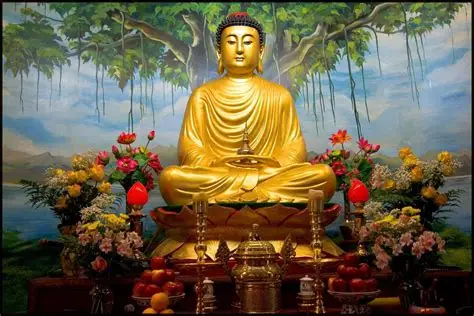
India is the birthplace of Buddhism, and its spiritual traditions continue to thrive across the country. Exploring Buddhist Festivals in India offers a unique opportunity to witness rituals, chants, dances, and traditions that have been preserved for centuries. With sacred monasteries, ancient stupas, and vibrant communities, India hosts numerous festivals that reflect the teachings of Lord Buddha. These celebrations are not only religious but also cultural, bringing together pilgrims, monks, and travelers from around the world.
🌟 Significance of Buddhist Festivals in India
-
Spiritual Connection: Festivals commemorate key events in the life of Lord Buddha.
-
Cultural Heritage: They showcase Buddhist art, music, and dance.
-
Community Bonding: Monks, devotees, and tourists come together in celebration.
-
Global Appeal: Pilgrims from across Asia and the world participate in these festivals.
-
Tourism Value: Festivals attract travelers seeking peace, culture, and spirituality.
🕉️ Major Buddhist Festivals in India
1. Buddha Purnima (Vesak)
Buddha Purnima is the most important Buddhist festival, celebrated to mark the birth, enlightenment, and nirvana of Lord Buddha. It usually falls in April or May, depending on the lunar calendar.
-
Celebrations: Devotees visit temples, offer prayers, and meditate. Monasteries are decorated with flowers and lamps.
-
Destinations: Bodh Gaya, Sarnath, Kushinagar, and Rajgir are major centers of celebration.
-
Highlights: Sermons by monks, distribution of food to the poor, and chanting of Buddhist scriptures.
2. Hemis Festival (Ladakh)
Held at Hemis Monastery in Ladakh, this festival celebrates the birth anniversary of Guru Padmasambhava, who spread Buddhism in Tibet.
-
Celebrations: Monks perform masked dances (Cham) depicting the victory of good over evil.
-
Destinations: Hemis Monastery, Leh.
-
Highlights: Colorful costumes, traditional music, and vibrant cultural performances.
3. Losar Festival (Tibetan New Year)
Losar marks the Tibetan New Year and is celebrated with great enthusiasm in Ladakh, Sikkim, and Arunachal Pradesh.
-
Celebrations: Rituals, prayers, and cultural performances. Families prepare traditional dishes and exchange gifts.
-
Destinations: Leh, Dharamshala, Tawang, and Gangtok.
-
Highlights: Monastic dances, offering rituals, and festive gatherings.
4. Ullambana (Ancestor’s Day)
Ullambana is celebrated to honor ancestors and seek blessings for departed souls. It is based on the Buddhist belief of helping spirits attain peace.
-
Celebrations: Offerings of food, prayers, and rituals in monasteries.
-
Destinations: Bodh Gaya, Sikkim, and Ladakh.
-
Highlights: Acts of charity and rituals for ancestors.
5. Kathina Ceremony
Kathina is a festival where devotees offer new robes to monks after the rainy retreat (Vassa).
-
Celebrations: Processions, offerings, and chanting of scriptures.
-
Destinations: Bodh Gaya and other monasteries across India.
-
Highlights: Symbolic act of generosity and community bonding.
🏯 Regional Buddhist Festivals
Ladakh
-
Hemis Festival: Masked dances and cultural performances.
-
Losar Festival: Tibetan New Year celebrations.
Sikkim
-
Saga Dawa: Celebrates Buddha’s birth, enlightenment, and nirvana.
-
Losar: Tibetan New Year with rituals and dances.
Arunachal Pradesh
-
Torgya Festival (Tawang Monastery): Ritual dances to ward off evil spirits.
-
Losar: Celebrated with prayers and cultural events.
Bihar and Uttar Pradesh
-
Buddha Purnima: Celebrated at Bodh Gaya, Sarnath, Kushinagar, and Rajgir.
-
Kathina Ceremony: Offering robes to monks.
🎉 Cultural Elements of Buddhist Festivals in India
-
Masked Dances (Cham): Performed in monasteries to depict Buddhist legends.
-
Chanting of Scriptures: Recitation of Buddhist texts during festivals.
-
Offerings: Flowers, lamps, food, and robes offered to monks and temples.
-
Community Feasts: Sharing meals with devotees and the poor.
-
Decorations: Monasteries adorned with flags, lamps, and murals.
🌅 Activities During Buddhist Festivals
-
Meditation Retreats: Guided meditation sessions at monasteries.
-
Cultural Programs: Folk dances, chants, and rituals.
-
Heritage Walks: Explore ancient stupas and ruins.
-
Photography Tours: Capture vibrant festivals and serene landscapes.
-
Lectures and Teachings: Learn Buddhist philosophy from monks.
🏨 Accommodation Options
Buddhist festival destinations offer diverse stays:
-
Pilgrim Lodges: Affordable stays near temples and monasteries.
-
Monastic Guesthouses: Simple accommodations run by monasteries.
-
Luxury Hotels: Premium stays near Bodh Gaya and Leh.
-
Eco-Lodges: Sustainable stays promoting peace and nature.
🍴 Cuisine During Buddhist Festivals
Food is an important part of Buddhist festivals:
-
Vegetarian Meals: Common in monasteries and pilgrim lodges.
-
Local Delicacies: Momos in Ladakh, Thukpa in Sikkim, khichdi in Bihar.
-
Community Kitchens: Meals served at monasteries during festivals.
-
Organic Food: Eco-lodges often serve organic meals.
🚗 Suggested Itineraries
5-Day Buddhist Festival Tour
-
Day 1: Arrival in Bodh Gaya, Buddha Purnima celebrations.
-
Day 2: Meditation under Bodhi tree, monastery visits.
-
Day 3: Transfer to Rajgir and Nalanda, sightseeing.
-
Day 4: Travel to Sarnath, attend festival rituals.
-
Day 5: Departure.
7-Day Himalayan Buddhist Festival Tour
-
Day 1: Arrival in Leh, Hemis Festival.
-
Day 2: Monastery visits and cultural performances.
-
Day 3: Nubra Valley excursion.
-
Day 4: Losar Festival celebrations.
-
Day 5: Transfer to Tawang Monastery, attend Torgya Festival.
-
Day 6: Explore local villages and rituals.
-
Day 7: Departure.
🛍️ Shopping and Souvenirs
Buddhist festivals often include shopping for local handicrafts:
-
Prayer Wheels and Flags: Symbols of Buddhist faith.
-
Thangkas: Traditional Buddhist paintings.
-
Handmade Souvenirs: Wooden carvings and jewelry.
-
Books and Scriptures: Buddhist texts and literature.
✈️ How to Plan a Buddhist Festival Tour
-
Best Season: Winter and spring are ideal for pilgrimages.
-
Permits: Some monasteries require entry permits.
-
Guides: Always choose guided tours for deeper insights.
-
Packing Essentials: Comfortable clothes, meditation mats, and cameras.
📈 Growth of Buddhist Tourism in India
Buddhist tourism is growing rapidly in India. Government initiatives like the “Buddhist Circuit” and international conclaves promote pilgrimage routes. Improved infrastructure, digital booking systems, and cultural festivals have boosted visitor numbers. Buddhist Festivals in India not only support the economy but also strengthen India’s position as the spiritual heart of Buddhism.
🌍 Conclusion
Buddhist Festivals in India are more than just celebrations—they are journeys into the soul of Buddhism. From Buddha Purnima in Bodh Gaya to Hemis Festival in Ladakh, from Losar in Sikkim to Kathina ceremonies in Bihar, these festivals offer peace, culture, and enlightenment. Whether you are a pilgrim seeking spiritual growth, a traveler exploring heritage, or a seeker searching for mindfulness, Buddhist festivals provide unforgettable experiences. With their diversity, traditions, and hospitality, India truly stands as the global center of Buddhist tourism.

 English
 Arabic
 Spanish
 Portuguese
 Deutsch
 Turkish
 Dutch
Dutch
 Italiano
 Russian
 Romaian
 Portuguese (Brazil)
 Greek
Greek