


A Complete Guide to Ms Scaffolding – Joint Pins for Beginners
Scaffolding is an essential part of every construction project, providing temporary support and safe access at height. Among the various components, MS scaffolding joint pins play a crucial role in ensuring stability, alignment, and strength. For beginners stepping into the world of scaffolding systems, understanding the purpose, types, and applications of a scaffolding joint pin is the first step toward ensuring safe and efficient construction operations.
What Are MS Scaffolding Joint Pins?
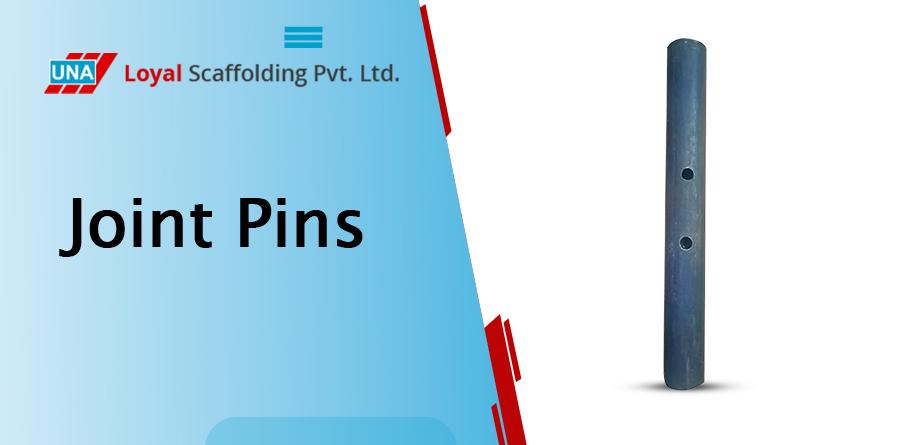
MS scaffolding joint pins are metal connectors used to join two scaffolding tubes in a vertical alignment. They ensure the scaffold structure remains upright, strong, and aligned during assembly. Made from high-grade mild steel for durability, these pins enable quick and secure connections without compromising safety.
A scaffolding joint pin typically comes in a cylindrical shape with a slightly tapered design, allowing it to fit snugly into scaffold tubes. Its simple yet highly effective mechanism makes it one of the most widely used scaffolding accessories in India.
Why Are MS Scaffolding Joint Pins Important?
Joint pins are essential to maintaining the strength and safety of the scaffold. Their primary functions include:
1. Ensuring Vertical Continuity
They help extend scaffolding height by securely connecting two tubes end to end.
2. Providing Stability
A properly installed joint pin keeps scaffolding tubes aligned and reduces wobbling.
3. Enhancing Safety
Strong and durable MS joint pins minimize the risk of scaffold collapse, especially at tall heights.
4. Easy and Quick Installation
They allow construction teams to assemble scaffolding faster with minimal tools.
Types of MS Scaffolding Joint Pins
While the typical cylindrical joint pin is the most commonly used, variations exist due to different scaffold designs and project requirements:
• Internal Joint Pins
Inserted inside scaffold tubes for firm internal support.
• External Joint Pins
Fit outside the tube and secure two verticals.
• Sleeve Joint Pins
Used for heavy-duty projects requiring added load-bearing capacity.
Each type of MS scaffolding – joint pins serves a specific purpose and should be selected based on scaffold structure, height, and load needs.
How to Use Scaffolding Joint Pins Correctly
1. Align the Tubes
Ensure both tubes are placed end to end and aligned vertically.
2. Insert the Joint Pin
Place the pin inside or over the tubes based on the type.
3. Secure the Fit
Use couplers or clamps if required to lock the pin in place.
4. Inspect Before Use
Always check for cracks, rust, or deformities before installation.
Proper usage significantly improves the reliability of the entire scaffold system.
Benefits of MS Scaffolding Joint Pins
- High load-bearing strength
- Weather-resistant and durable
- Easy installation
- Cost-effective for large projects
- Ensures structure stability during height extension
Their versatility makes them a must-have component in every scaffolding setup.
Conclusion
MS scaffolding joint pins are essential for safe vertical connections, structural stability, and efficient construction workflows. Whether you need durable accessories or guidance on choosing the right components, always partner with a trusted Joint pin scaffolding manufacturer for guaranteed quality.
For reliable and heavy-duty MS scaffolding – joint pins, Loyal Scaffoldings stands as a dependable choice, offering products designed to meet industry standards. Understanding the use and importance of these connectors helps beginners work confidently and safely in any scaffolding environment.

 English
 Arabic
 French
 Portuguese
 Deutsch
 Turkish
 Dutch
Dutch
 Italiano
 Russian
 Romaian
 Portuguese (Brazil)
 Greek
Greek