


Engineering Comfort: The Technical Aspects of Mattress Fabric
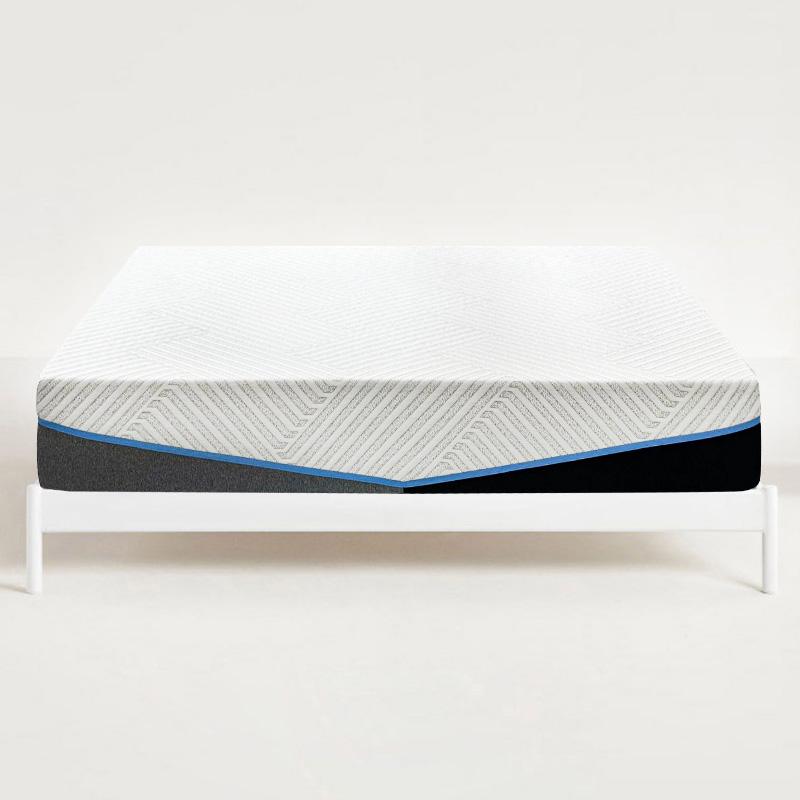
The development of a high-performance mattress fabric is a precise exercise in textile engineering, where fiber science, weaving technology, and finishing treatments converge to meet specific functional demands. This top layer must perform a complex set of duties: it must feel inviting, manage heat and moisture, resist wear, and comply with safety regulations, all while conforming to the mattress's shape. The journey from raw fiber to finished mattress fabric involves deliberate choices at each stage, each impacting the final product's performance. This analysis delves into the technical considerations behind mattress fabric, exploring weave structures, weight measurements, and specialized finishes that transform simple cloth into a sophisticated component of sleep system design, concluding with how these technical details translate to tangible user benefits.
The foundation of any mattress fabric lies in its weave structure. The way threads are interlaced on the loom determines the fabric's strength, texture, and breathability. A plain weave, like that used in standard percale, is tight and durable, offering a crisp feel. A sateen weave, where warp threads float over several weft threads, creates a smoother, silkier surface for the mattress fabric but may be slightly less breathable. Jacquard weaves allow for intricate, raised patterns woven directly into the material, adding visual and tactile depth. The thread count, while a familiar term, is just one factor; the quality of the yarns and the tightness of the weave are equally significant for the durability and feel of the mattress fabric. A dense, high-quality weave provides a robust foundation.
The concept of fabric weight, measured in ounces per square yard, is a critical but often overlooked specification for mattress fabric. A heavier mattress fabric generally indicates greater durability and a more substantial, luxurious hand feel. It can better conceal the quilting stitches and underlying layers, providing a smoother appearance. However, increased weight can sometimes affect breathability. Designers select a fabric weight that aligns with the mattress's intended market and price point, balancing heft with other performance needs. Alongside the base weave, many mattress fabrics undergo finishing processes. Calendaring, where the fabric is passed through heated rollers, can create a smoother, slightly glossy surface. Brushing can raise the fibers to produce a softer, fleece-like texture on the mattress fabric.
Specialized treatments are frequently applied to enhance the functionality of the mattress fabric. These can include durable water repellent finishes for incidental spill resistance, antimicrobial treatments that inhibit odor-causing bacteria, and phase-change material coatings that absorb and release heat to regulate surface temperature. A crucial, non-negotiable treatment in many markets is the application of fire-retardant chemicals or the use of inherent fire-resistant fibers to meet stringent safety standards. These treatments must be applied in a way that does not compromise the breathability or hand feel of the mattress fabric, requiring careful formulation and application. The integration of these technologies elevates the mattress fabric from a passive cover to an active contributor to sleep comfort.
The technical specifications of the mattress fabric must align with the mattress's core construction. A highly breathable mattress fabric is essential for a foam mattress that retains more heat, while a fabric with more cushioning quilting might complement a firmer innerspring unit. The fabric must also be compatible with the manufacturing process, able to be quilted, stapled, or otherwise attached without tearing or distorting.
The mattress fabric is a testament to applied textile science in the pursuit of better rest. Its technical attributes—the weave density, the yarn quality, the fabric weight, and the applied finishes—are not arbitrary but are carefully calibrated responses to the physical demands of sleep. Understanding these elements allows for a more informed evaluation of a mattress's surface qualities. Therefore, a superior mattress fabric is the result of intentional engineering, designed to provide lasting comfort, effective climate management, and dependable durability. It is this technical groundwork that ensures the fabric not only looks and feels appropriate upon purchase but continues to perform its vital role night after night, year after year, as an integral part of the sleep system.

 English
 Arabic
 French
 Spanish
 Deutsch
 Turkish
 Dutch
Dutch
 Italiano
 Russian
 Romaian
 Portuguese (Brazil)
 Greek
Greek