


Anatomy of a Workhorse: The Construction of a TBM Steel Cord Conveyor Belt
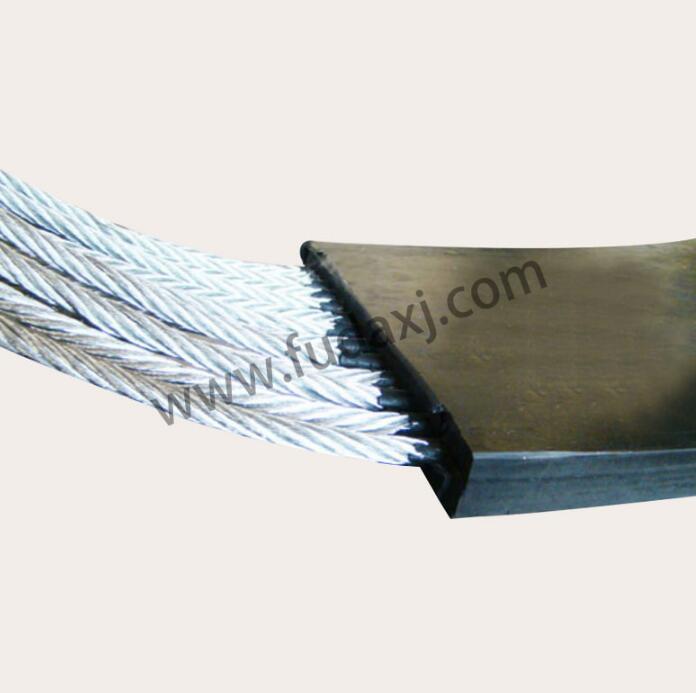
The formidable capabilities of a TBM steel cord conveyor belt are the direct result of its sophisticated multi-layer construction, where each material and stratum serves a precise function. This belt is not a simple rubber sheet but a composite engineered product, meticulously assembled to balance immense strength with operational flexibility and durability. Understanding the anatomy of a TBM steel cord conveyor belt—from the core steel reinforcement to the protective rubber covers and edge treatments—reveals how it meets the severe stresses of tunnel excavation. This analysis deconstructs the belt into its primary components, explaining the role and specification of each layer, and concludes with how this integrated design translates into reliable performance under the extreme conditions of a TBM drive.
At the heart of the belt lies the steel cord reinforcement carcass. This layer consists of high-tensile steel cords, each cord itself a bundle of fine steel wires. These cords are precisely laid in a single plane, parallel to the belt's longitudinal axis, with a specific pitch (distance between cords) to achieve the desired tensile strength and flexibility. The steel used is typically a high-carbon grade, drawn to precise diameters and often brass-plated to enhance adhesion to the surrounding rubber compound. The cords are the primary load-bearing element of the TBM steel cord conveyor belt, responsible for transmitting the drive force and supporting the load over long centers with minimal stretch, a critical factor for maintaining tension control in kilometer-long systems.
Encasing the steel cords is the rubber compound that forms the belt's core. This is not a single homogeneous layer but includes specialized rubber mixes. A binding or cushion rubber compound is applied directly onto and between the steel cords. This compound has properties engineered for exceptional adhesion to the brass plating on the cords, ensuring they remain firmly embedded and load is evenly transferred from the rubber to the steel. It also provides flexibility and dampens dynamic loads. Surrounding this core are the top and bottom cover layers. The top cover of a TBM steel cord conveyor belt is a thick, wear-resistant compound, often incorporating special fillers and polymers to resist cutting, gouging, and abrasion from sharp rock. The bottom cover is formulated for low rolling resistance, good friction with pulleys, and resistance to wear from idlers.
The belt's edges require particular engineering attention. In a TBM steel cord conveyor belt, the edges are vulnerable points where wear and cord exposure can initiate. To protect them, a variety of techniques are used. Some belts feature a folded edge construction where the cover rubber is wrapped around the cord ends. Others use a specially molded edge profile or incorporate additional fabric breakers at the sides. The goal is to create a dense, sealed barrier that prevents water, slurry, and fines from migrating laterally into the cord zone, which could cause corrosion and lead to catastrophic cord failure. This edge sealing is a defining quality feature for a TBM steel cord conveyor belt operating in wet, abrasive tunnels.
Additional elements may include fabric breaker layers above or below the steel cords to improve impact resistance and troughability, and colored longitudinal stripes for visual tracking and alignment checks during installation and operation.
The construction of a TBM steel cord conveyor belt is a precise, layered architecture where each material's properties are synergistically combined. The steel cords provide tensile muscle, the cushion rubber ensures force transfer and flexibility, the heavy-duty covers offer environmental armor, and the sealed edges guard against insidious failure modes. This composite design is what allows a TBM steel cord conveyor belt to function not just as a passive carrying medium, but as a dynamic, load-bearing component of the TBM's continuous haulage system. Therefore, appreciating this complex construction is key to specifying the correct belt, executing proper splicing and maintenance, and ultimately, relying on its performance to keep the critical path of tunnel excavation on schedule. The durability of the entire TBM operation is, in a very tangible way, woven into the layered fabric of the TBM steel cord conveyor belt.

 English
 Arabic
 French
 Spanish
 Portuguese
 Deutsch
 Turkish
 Italiano
 Russian
 Romaian
 Portuguese (Brazil)
 Greek
Greek