


From Lab to Lunchbox: The Evolution of the Thermal Insulation Bottle
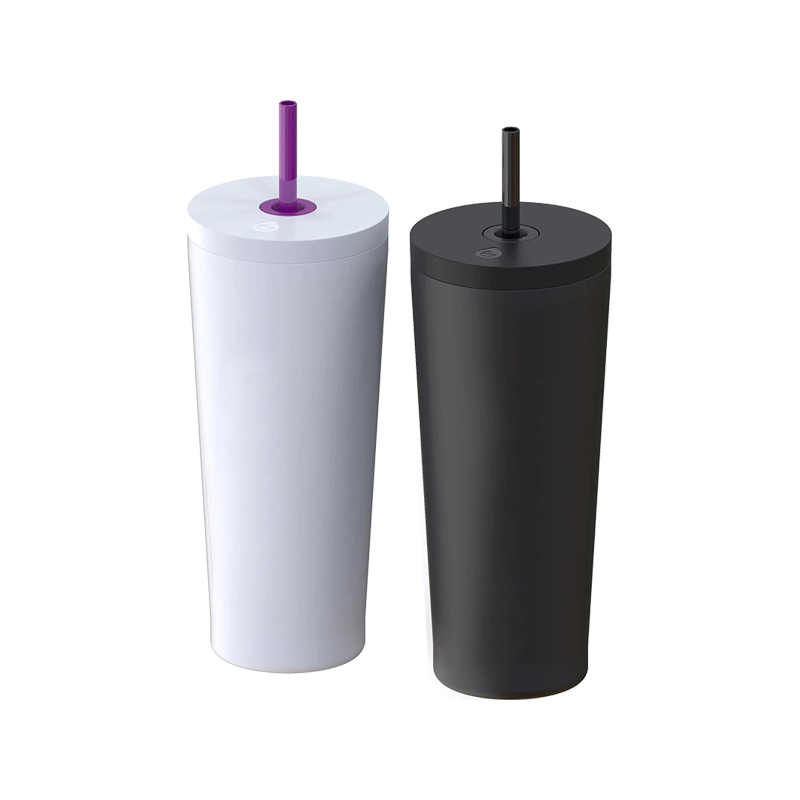
The modern thermal insulation bottle is the product of over a century of incremental refinement, evolving from a fragile laboratory apparatus to a robust, mass-produced consumer good. Its history is a narrative of material science advancements and manufacturing improvements that have enhanced durability, affordability, and performance. While the core vacuum-insulation principle remains unchanged, the way it is implemented—the metals used, the sealing techniques, and the integration with user-friendly features—has transformed dramatically. This evolution has expanded the thermal insulation bottle’s role from a specialized tool for scientists and explorers to an everyday essential for millions. Tracing this development provides insight into how engineering and consumer needs have shaped a now-ubiquitous object, concluding with its status as a mature yet still-advancing technology.
The story begins in the late 19th century with the invention of the Dewar flask, a glass vessel with silvered walls and an evacuated space, created for scientific storage of liquefied gases. This fragile precursor to the thermal insulation bottle demonstrated the principle’s effectiveness but was impractical for widespread use. The first major leap toward a consumer thermal insulation bottle came with the development of metal-walled vessels. Replacing glass with metal, initially steel, greatly improved durability. However, creating and maintaining a reliable vacuum seal between two metal shells presented a significant engineering hurdle. Advances in welding and sealing technologies throughout the mid-20th century were crucial for producing a durable, leak-proof vacuum chamber, making the metal thermal insulation bottle commercially viable.
The adoption of stainless steel represented another significant advance. Earlier steel bottles could rust and impart a metallic taste. Stainless steel, particularly grades like 304 and 316, offered superior corrosion resistance, did not affect the taste of contents, and provided a durable, hygienic interior surface. This material shift was fundamental in establishing the thermal insulation bottle as a safe and long-lasting product for food and beverages. Concurrently, improvements in vacuum pump technology allowed for higher and more stable vacuums to be achieved during manufacturing, directly boosting the insulating performance and longevity of the thermal insulation bottle.
In recent decades, design innovation has focused on user experience and specialization. The development of advanced powder-coating techniques allowed for colorful, scratch-resistant, and tactile exteriors. The integration of one-handed lid mechanisms, integrated tea strainers, and smart lids with temperature displays has added layers of convenience. Furthermore, the thermal insulation bottle has diversified into specialized forms: wide-mouth bottles for food, narrow-neck bottles for drinks, and compact travel mugs with sip-through lids. Manufacturing processes have also become more precise, allowing for thinner yet stronger walls, which reduce weight without sacrificing insulation or durability. Each iteration of the thermal insulation bottle has sought to better balance thermal performance, physical robustness, and human factors.
The journey of the thermal insulation bottle from a delicate lab tool to a kitchen staple is a compelling case study in technological democratization. Each stage of its evolution—from glass to metal, from plain steel to stainless, from simple cap to intelligent lid—has been driven by the goal of making sophisticated thermal management accessible, reliable, and convenient for everyday use. The thermal insulation bottle’s history reflects broader trends in material science and industrial design. Today, it is a mature product category, yet innovation continues in areas like sustainable materials and even more efficient vacuum techniques. Therefore, the thermal insulation bottle we use today is not a static invention but the current point in a long line of continuous improvement, a durable vessel carrying forward a legacy of ingenuity aimed at preserving a desired temperature, sip after sip.

 Arabic
 French
 Spanish
 Portuguese
 Deutsch
 Turkish
 Dutch
Dutch
 Italiano
 Russian
 Romaian
 Portuguese (Brazil)
 Greek
Greek