


Form Follows Relaxation: The Ergonomics of a Leisure Chair
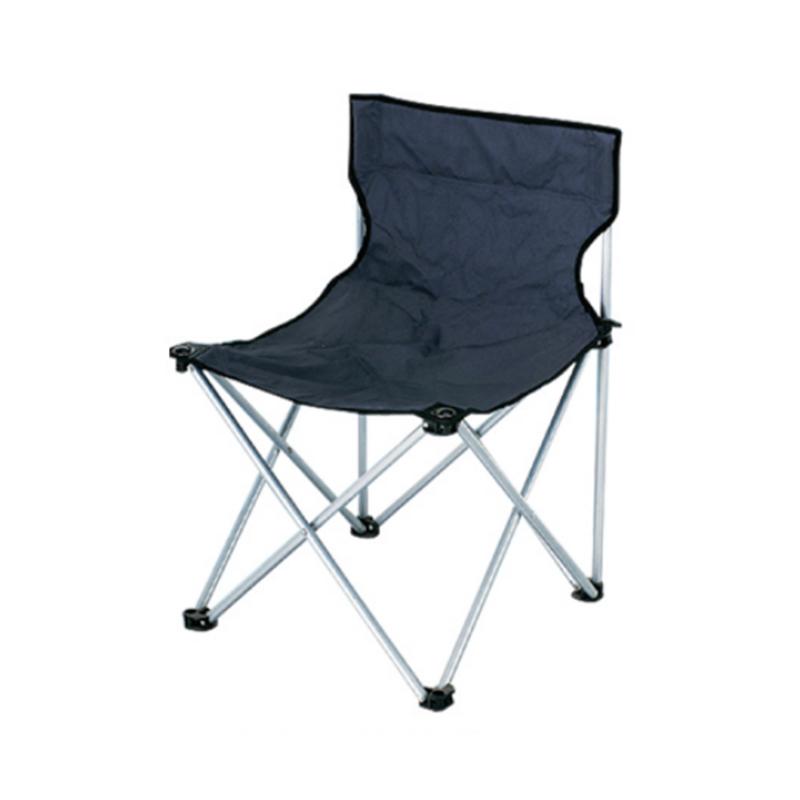
The profound comfort offered by a superior leisure chair is not accidental; it is the result of deliberate ergonomic design and careful material selection. This type of chair must accommodate a range of relaxed postures, from upright reading to a semi-reclined nap, providing support that prevents strain over time. The engineering of a leisure chair involves a complex interplay between frame geometry, cushioning systems, and fabric tensions, all aimed at distributing body weight evenly and supporting the spine's natural curves. Understanding these ergonomic principles reveals why one leisure chair may feel perfectly comfortable while another causes stiffness, highlighting that true comfort is a measurable design outcome. This analysis examines the key structural and material factors that define the supportive quality of a leisure chair, concluding that its success lies in the harmonious integration of these elements.
The foundation of any leisure chair is its internal frame, typically constructed from kiln-dried hardwood or engineered steel. This frame dictates the chair's fundamental posture and durability. Critical angles are calculated: the seat pitch (the angle of the seat pan relative to horizontal), the backrest angle, and the relationship between the seat height and depth. A well-designed leisure chair will have a seat depth that allows the user's back to contact the backrest while leaving a small space behind the knees to avoid pressure on the hamstrings. The backrest should provide lumbar support, either through built-in curvature or via cushion shaping, to maintain the spine's natural "S" curve even in a reclined position. The frame's integrity ensures the leisure chair maintains its shape and support for years.
The cushioning system is the interface between the rigid frame and the body. High-quality leisure chairs often use a multi-layered approach. A base layer of high-density foam provides durable support and prevents bottoming out, while a top layer of softer, more responsive foam or down-filled cushions offers immediate comfort and conformability. The seat cushion may be constructed differently from the back cushion to address varying pressure points. In some designs, especially modern loungers, tensioned fabric or leather becomes the primary support system, offering a suspended, hammock-like feel that adapts closely to the body's shape. The choice and layering of these materials within the leisure chair determine its "sit feel"—whether it is firm and supportive, plush and enveloping, or something in between.
Upholstery and finishing details also contribute to the ergonomic and sensory experience. The fabric or leather covering must have enough flexibility and give to not restrict the cushioning beneath. Seams and stitching should be placed to avoid creating pressure points. Armrests should be padded to a comfortable height and width, allowing the forearms to rest naturally. On a reclining leisure chair, the mechanism for adjustment should operate smoothly and quietly, allowing the user to find their preferred angle without effort. The chair's entry and exit are also considered; a seat that is too low or too deep can make rising difficult, so some designs incorporate slight spring-assisted motion or carefully calculated dimensions.
A truly comfortable leisure chair is a sophisticated piece of biomechanical engineering disguised as simple furniture. Its comfort emerges from the precise calibration of angles, the strategic layering of resilient materials, and the thoughtful execution of every contact point. Therefore, when evaluating a leisure chair, looking beyond its style to understand its construction—the frame material, the density and composition of its cushions, the quality of its ergonomic details—is essential. A leisure chair built on sound ergonomic principles will not only feel inviting at first sit but will continue to provide supportive comfort during extended use, making it a worthwhile investment in daily relaxation and long-term physical well-being. Its design quietly ensures that the act of rest is fully, and healthfully, supported.

 English
 Arabic
 Spanish
 Portuguese
 Deutsch
 Turkish
 Dutch
Dutch
 Italiano
 Russian
 Romaian
 Portuguese (Brazil)
 Greek
Greek