


Engineering Performance: The Production and Properties of Metallized PET Film
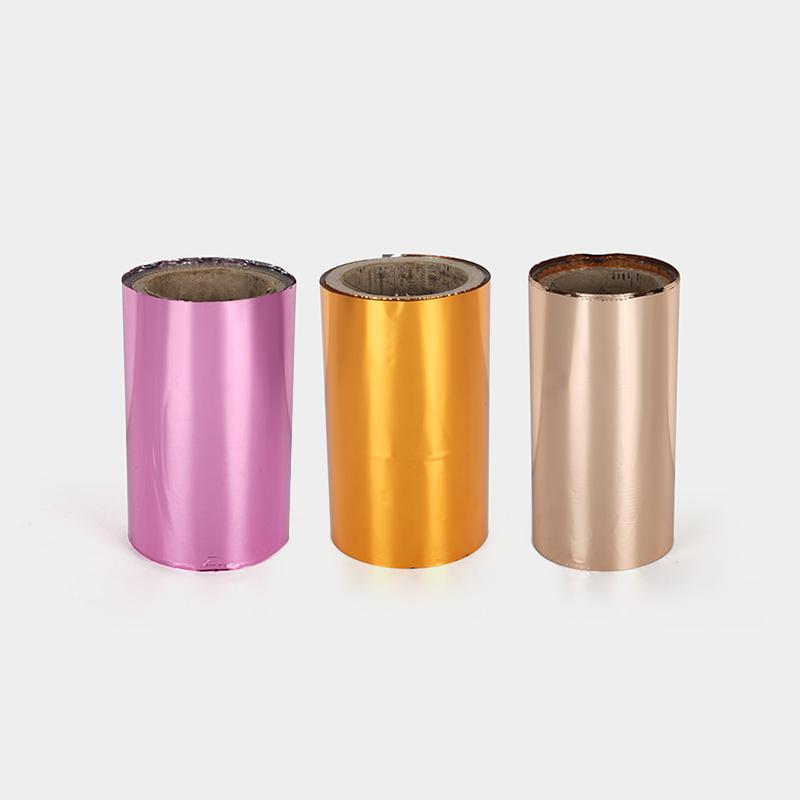
The specific performance attributes of a given metallized PET film are not accidental but are engineered through precise control of the metallization process and subsequent treatments. The characteristics of the final product—its optical density, electrical conductivity, barrier efficiency, and adhesion strength—are determined by a series of technical parameters. Understanding these variables, from base film treatment to metal deposition kinetics, reveals how a single material category can be adapted for uses as different as a decorative balloon and a moisture-proof pharmaceutical blister. This analysis delves into the key production variables and their direct impact on the functional properties of metallized PET film, concluding that its versatility is a product of meticulous scientific and industrial precision.
The foundation lies in the PET substrate. The grade, surface energy, and pretreatment of the PET film are crucial. The film must be exceptionally clear and free of defects to ensure a flawless metallic coating. Prior to metallization, the PET film often undergoes a corona or flame treatment. This process increases the surface energy of the polymer, improving the wettability and ultimate adhesion of the metal vapor when it condenses. The quality of this bond between the PET and the metal layer is fundamental; poor adhesion can lead to cracking, flaking, or delamination of the metal, compromising the integrity of the metallized PET film. The thickness of the PET substrate is also selected based on the required mechanical strength and flexibility of the final product.
Within the vacuum metallization chamber, critical parameters govern the coating's nature. The purity of the metal source (usually aluminum pellets of high purity) affects the coating's uniformity and electrical properties. The temperature and rate of evaporation are carefully managed. A higher deposition rate typically produces a denser, more continuous metal layer, which enhances conductivity and barrier properties. The thickness of the deposited metal layer is the primary variable controlled during this stage. It is measured through optical density or electrical resistance. For a high-barrier, opaque metallized PET film, a thicker aluminum layer is applied, achieving an optical density above 2.5. For a semi-transparent or resistive layer used in some electronic applications, a much thinner deposition is performed.
Post-metallization treatments are frequently applied to tailor the film for its end use. A protective top coat or lacquer is often applied over the delicate metal layer. This coating can serve multiple purposes: it protects the metal from oxidation or abrasion during handling and converting; it provides a surface suitable for printing inks or adhesives; and it can offer additional specific barriers (e.g., against chemicals). In some cases, the metallized PET film is laminated to other films, such as polyethylene or polypropylene, to create a multilayer structure with complementary properties—the metallized PET film providing barrier and strength, and the lamination layer providing heat-sealability.
The testing and quality control of metallized PET film involve verifying its key engineered properties, including barrier performance (oxygen and moisture transmission rates), optical measurements (gloss, opacity), and electrical surface resistivity.
Metallized PET film is a highly engineered product where performance is built layer by layer. The selection of the PET base, the precise conditions of vacuum deposition, and the application of functional coatings all work in concert to deliver a material with specified characteristics. Therefore, specifying metallized PET film for an application requires a clear understanding of the necessary technical parameters, not just a generic description. The ability to fine-tune these variables allows manufacturers to produce a spectrum of metallized PET film products, each optimized for a distinct set of challenges. This capacity for customization is what makes metallized PET film such a valuable and adaptable resource in fields demanding reliable barrier protection, specific electrical properties, or controlled reflectivity.

 Arabic
 French
 Spanish
 Portuguese
 Deutsch
 Turkish
 Dutch
Dutch
 Italiano
 Russian
 Romaian
 Portuguese (Brazil)
 Greek
Greek