


Innovation and Aesthetics in PVC Furniture Film
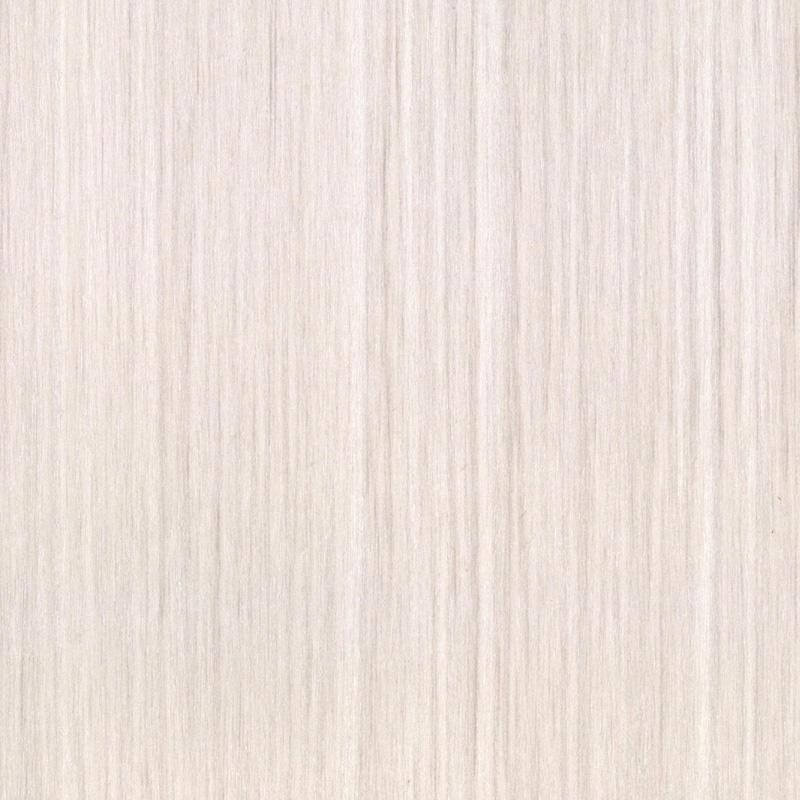
In the pursuit of furniture that blends visual appeal with everyday resilience, PVC furniture film emerges as a transformative material. It acts as a protective and decorative skin, enabling the creation of pieces that are both stylish and capable of withstanding the rigors of daily life. The development and use of PVC furniture film represent a significant intersection of chemical engineering and design sensibility, offering solutions that raw materials alone cannot consistently provide.
The technological evolution of PVC furniture film is ongoing. Modern production employs advanced gravure and digital printing techniques to achieve unprecedented detail and color fidelity in the decorative layer. Innovations in polymer chemistry have led to films with enhanced flexibility, allowing them to be post-formed around tight radii without cracking or whitening. Furthermore, the protective top layers have seen improvements, with some furniture film products incorporating anti-fingerprint coatings or enhanced UV inhibitors to preserve color vitality for longer periods. These advancements expand the suitable applications for PVC film in both interior and protected exterior settings.
Design freedom is a principal benefit afforded by this material. With an extensive library of patterns and effects, PVC furniture film allows designers to experiment with looks that might be impractical or too costly with solid materials. A single product line can effortlessly offer a spectrum of finishes, from rustic oak to high-gloss lacquer red, all through the application of different films. This film also facilitates thematic and custom designs, such as graphical prints for children's furniture or branded environments for corporate offices, pushing furniture beyond mere utility into the realm of personalized expression.
From a sustainability perspective, the role of PVC furniture film involves a nuanced discussion. On one hand, the durability it imparts can extend the functional lifespan of furniture, reducing replacement frequency. Some manufacturers are developing films using recycled PVC content and phthalate-free plasticizers. The efficient use of substrates, often from managed forestry, combined with the low waste of the film application process, contributes to resource efficiency. The industry continues to research improved recycling pathways for end-of-life products containing PVC furniture film.
Challenges in working with the material include ensuring proper adhesive bonding and selecting a film with the correct thickness and flexibility for a specific manufacturing process. Technical expertise is required to avoid finishing defects. However, these considerations are part of the professional specification process, where the performance grades of the PVC film are matched to the engineering demands of the furniture piece.
PVC furniture film stands as a key enabler in the furniture industry. It provides a reliable medium to achieve desired aesthetics while meeting practical performance standards. Its ability to evolve with technological and environmental trends suggests a sustained role in future manufacturing. The ongoing dialogue between designers, engineers, and material scientists continues to refine and enhance the potential of PVC furniture film, ensuring it remains a vital component in crafting the furniture of tomorrow.

 English
 Arabic
 French
 Spanish
 Portuguese
 Deutsch
 Turkish
 Dutch
Dutch
 Russian
 Romaian
 Portuguese (Brazil)
 Greek
Greek