


Making the Right Choices for Your Oral Health: Toothbrush and Toothpaste Selection
Stepping into any pharmacy in Singapore, the dental aisle can be a bit overwhelming. Toothbrushes promise whiter teeth, healthier gums, and deeper cleaning, while toothpastes claim to offer everything from cavity protection to sensitivity relief and herbal balance. With so many options, it's easy to feel lost and unsure about whether you're making the right choice for your oral health.
The truth is, selecting the right toothbrush and toothpaste doesn't have to be a complex process. It's not about choosing the most expensive option or being swayed by the most persuasive marketing claims. Instead, it's about finding the right fit for your mouth, your habits, and your specific risks. This guide will help you make a sensible choice that truly benefits your teeth.
The Importance of Your Toothbrush Choice
Your toothbrush is your primary tool for removing plaque, that soft, sticky film of bacteria that builds up daily. If left undisturbed, plaque can lead to cavities and gum inflammation. A poorly chosen brush won't clean effectively, while an overly aggressive one can damage your gums and enamel.
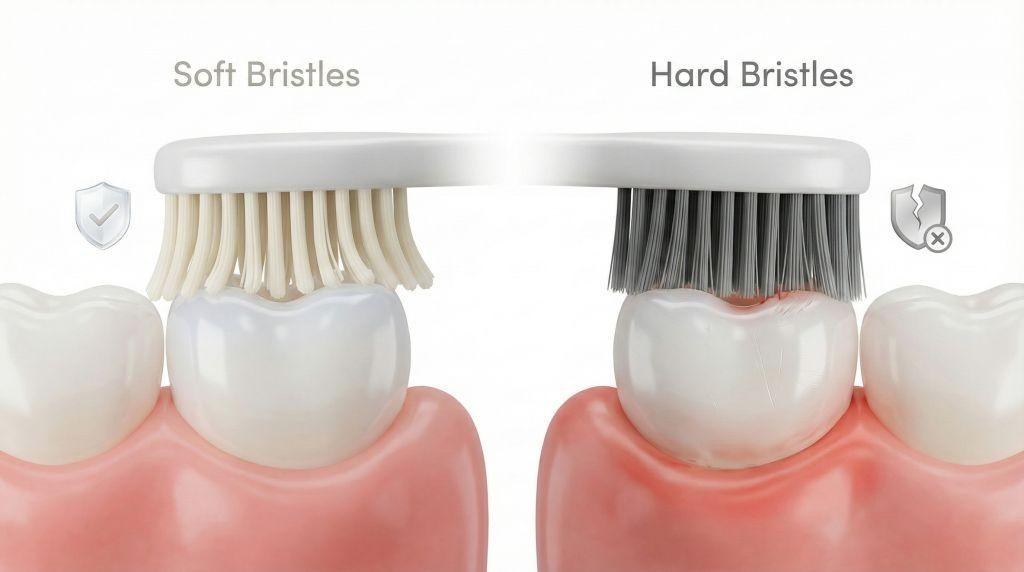
For most people, a soft-bristled toothbrush is the safest option. Hard bristles don't enhance cleaning; they just increase the risk of gum recession and enamel wear, especially if you apply too much pressure while brushing. If your gums bleed or feel sore after brushing, the issue is often with the brush or your technique, not a lack of effort.
The size of the brush head also matters. A smaller head can reach the back teeth more easily and allows you to angle the brush along the gumline. While fancy shapes and rubber inserts might seem appealing, what truly matters is control and comfort. If a brush feels awkward, you're more likely to rush or avoid certain areas.
Manual vs. Electric: What's the Difference?
Both manual and electric toothbrushes can be effective if used properly. The key difference lies in consistency. Electric brushes can make brushing easier for those who rush or struggle with technique. Many models feature oscillating or sonic movements that remove plaque more efficiently with less effort. Built-in timers also ensure you brush for a full two minutes.
Manual brushes can still do the job if you're thorough, gentle, and consistent. There's no need to switch if you're already achieving good results. However, for those with braces, limited hand movement, or a habit of brushing too hard, electric brushes can be a helpful alternative.
If you're unsure which type suits you best, consult with a dentist at Clementi or a dentist near Clementi. They can examine your gum condition and enamel wear and provide practical advice tailored to your needs.
How Often Should You Replace Your Toothbrush?
A toothbrush isn't meant to last forever. Bristles wear down, bend, and lose their cleaning ability over time. As a general rule, replace your brush or brush head every three months. Replace it sooner if the bristles splay outward or if you've been sick.
Worn bristles don't clean effectively and can lead to heavier brushing, which increases the risk of damage. If you notice flattened or frayed bristles after just a few weeks, it's a sign that you might be brushing too hard.
Toothpaste: Start with Fluoride
Fluoride is the most important ingredient in toothpaste. It strengthens enamel and helps prevent cavities. For most adults and children over six, a standard fluoride toothpaste is sufficient. High-fluoride products are usually recommended only by a dentist.
Since Singapore's water supply is not fluoridated, toothpaste is a crucial source of fluoride protection. Skipping fluoride toothpaste altogether can increase your risk of cavities, even if you brush regularly.
If you prefer "natural" or herbal toothpaste, check whether it contains fluoride. Many natural toothpastes lack this essential ingredient. While this doesn't necessarily make them bad, it does mean you're missing out on a proven layer of protection. This trade-off should be a conscious choice, not an accident.
Whitening Toothpaste: What It Can and Can't Do
Whitening toothpaste doesn't change the natural color of your teeth. Instead, it removes surface stains caused by coffee, tea, or smoking. Some formulas are mildly abrasive, which helps polish away stains but can also wear down enamel if overused.
If your teeth feel more sensitive after switching to a whitening toothpaste, consider using it less frequently. You can alternate it with a regular fluoride toothpaste or reserve it for occasional use. Whitening toothpaste is a maintenance tool, not a substitute for professional whitening treatments.
Toothpaste for Sensitive Teeth
Sensitivity toothpaste works by blocking microscopic channels in the teeth that transmit sensation. It requires consistent use to be effective. Switching back and forth between sensitivity toothpaste and regular toothpaste won't yield the desired results.
Sensitivity can also indicate gum recession, enamel wear, or early decay. If sensitivity persists despite using the right toothpaste for a few weeks, it's worth getting checked by a dentist near Clementi. They can determine whether the issue is related to the toothpaste or if it requires further treatment.
Gum Care and "Anti-Gingivitis" Formulas
Toothpastes marketed for gum health often contain antibacterial agents or ingredients that reduce inflammation. These can help control plaque along the gumline, especially if you're prone to bleeding gums.
However, toothpaste alone won't cure gum disease. Proper brushing technique and cleaning between teeth are more important. If your gums bleed regularly despite good daily care, this is not normal and should not be ignored.
How Much Toothpaste Do You Really Need?
More isn't always better. A pea-sized amount of toothpaste is sufficient for adults. Filling the brush creates extra foam, which can lead to people spitting sooner and rushing the brushing process. Less foam often results in better, more focused cleaning.
After brushing, spit but don't rinse aggressively with water. Leaving a thin layer of fluoride on your teeth provides longer-lasting protection, especially before bed.
Matching Your Choices to Your Lifestyle
Your lifestyle plays a significant role in determining the right toothpaste and toothbrush for you. If you drink coffee or tea daily, stain control is important. If you snack often, cavity protection matters more. If you clench or grind your teeth, enamel protection and gentle brushing are key. There's no one-size-fits-all solution.
This is where personalized advice from a dentist at Clementi can be invaluable. A short conversation during a routine visit can save you years of trial and error. A dentist who examines your enamel wear, gum condition, and bite can recommend specific features to look for, rather than just brand names.
When Your Toothbrush and Toothpaste Aren't Enough
Good tools support good habits, but they can't replace professional care. If you notice bleeding, persistent bad breath, worsening sensitivity, or visible changes in your gums, it's time for a check-up. Early intervention keeps problems small.
For Singapore residents, convenience is key. Regular visits to a dentist near Clementi make it easier to stay consistent and catch issues early, before they escalate into pain or complex treatments.
Final Thoughts
Choosing the right toothbrush and toothpaste doesn't have to be complicated. Soft bristles, the right size, fluoride toothpaste, and a routine you can stick to will cover most needs. The best choice is the one you'll use properly, twice a day, without harming your gums or enamel.
Ignore flashy promises and focus on comfort, control, and protection. If you're ever unsure, ask during your next appointment. A dentist at Clementi or a dentist near Clementi can provide advice that fits your mouth, not a marketing slogan. Over time, these small, sensible choices make a bigger difference than any trend on the shelf.

 English
 Arabic
 French
 Spanish
 Portuguese
 Deutsch
 Turkish
 Italiano
 Russian
 Romaian
 Portuguese (Brazil)
 Greek
Greek