


The Engineering Principles Behind Modern Transport Vehicles
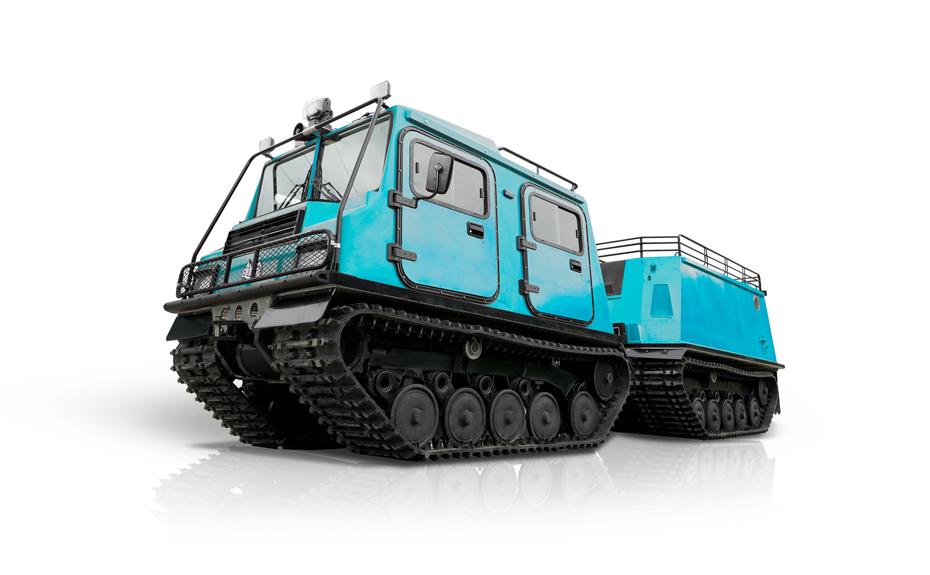
Beneath the familiar exteriors of cars, planes, and ships lies a complex integration of engineering systems that define the capabilities and limitations of every transport vehicle. Designing and constructing these vehicles is a multidisciplinary endeavor that synthesizes principles from mechanical, electrical, materials, and software engineering. A modern transport vehicle, regardless of its domain, is fundamentally a platform that generates controlled motion. This requires a prime mover (an engine or motor), a means of transmitting power (a drivetrain), a system for guidance and control, and a structure to support loads and protect occupants or cargo. The relentless pursuit of improvements in safety, efficiency, performance, and comfort drives continuous innovation across all these systems, making the transport vehicle a showcase of applied engineering and a high-value technological product.
The propulsion system is the heart of any transport vehicle, responsible for converting stored energy into kinetic energy. For decades, the internal combustion engine, powered by gasoline or diesel, dominated land and sea transport. Its development focused on increasing power output, thermal efficiency, and reducing emissions. The current technological pivot is toward electrification. Electric vehicles use battery packs to power electric motors, offering high efficiency, instant torque, and zero tailpipe emissions. Hybrid systems combine internal combustion engines with electric motors to optimize efficiency. In aviation, gas turbine (jet) engines provide the tremendous thrust needed for flight, with ongoing research into sustainable aviation fuels and electric propulsion for smaller vehicles. The choice of propulsion technology is the single largest factor determining a vehicle's operational cost, environmental footprint, and range.
Equally critical is the vehicle's structural and control systems. The chassis or airframe must be strong yet lightweight, often using advanced materials like high-strength steel, aluminum alloys, or carbon fiber composites to achieve this balance. Safety structures, such as crumple zones in cars or redundant systems in aircraft, are engineered to protect in the event of a collision or failure. The guidance and control systems are what allow a vehicle to be operated precisely. In land vehicles, this includes the steering mechanism, brakes, and suspension. In aircraft and ships, it encompasses complex flight control surfaces or rudders and thrusters. Modern transport vehicles are increasingly reliant on electronic control units (ECUs) and drive-by-wire technology, where electronic signals replace direct mechanical linkages, enabling advanced stability control and automation features.
The modern transport vehicle is also becoming a connected data hub. Telematics systems collect and transmit data on vehicle location, performance, and driver behavior for fleet management. Advanced Driver-Assistance Systems (ADAS), such as adaptive cruise control and lane-keeping assist, use sensors and software to enhance safety and reduce driver workload. This trend points toward the development of increasingly automated vehicles. Furthermore, the passenger experience is shaped by human-machine interface (HMI) design, encompassing everything from intuitive dashboard layouts to in-flight entertainment systems. Infotainment, climate control, and connectivity are now expected features, turning the transport vehicle cabin into a mobile living or working space. This layer of digital technology adds immense complexity but also significant value, transforming the vehicle from a simple conveyance into an intelligent, interactive node in a larger network.
A transport vehicle is a masterfully integrated assembly of mechanical, electrical, and digital systems. Its creation involves solving a persistent series of trade-offs: between power and efficiency, between strength and weight, between cost and capability, and between automation and human control. The engineering journey from concept to a functional vehicle on the road, sea, or in the air is one of the most demanding in manufacturing. As societal demands push for safer, cleaner, and more intelligent mobility, the systems within transport vehicles will continue to evolve at a rapid pace. The next generation of vehicles will likely feature even greater integration of software, more extensive use of sustainable materials, and higher levels of automation, ensuring that the field of transport vehicle engineering remains at the forefront of technological innovation for the foreseeable future.

 English
 Arabic
 French
 Spanish
 Portuguese
 Deutsch
 Turkish
 Dutch
Dutch
 Russian
 Romaian
 Portuguese (Brazil)
 Greek
Greek