


Diverse Applications of the Vibration Motor
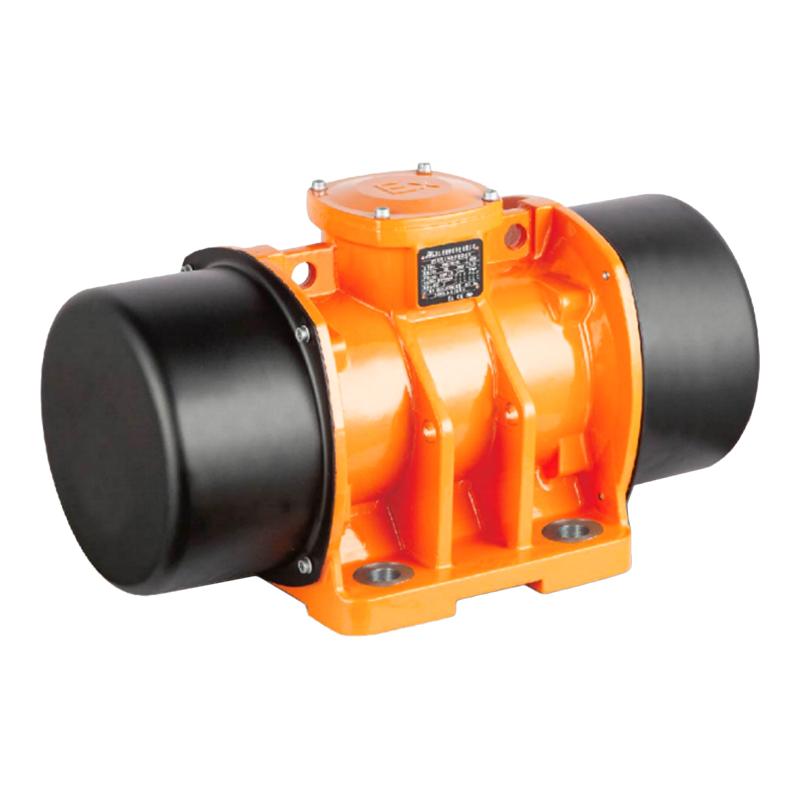
The functionality of a vibration motor extends far beyond a simple buzzing sensation; it is a critical enabling technology integrated into systems that require notification, agitation, or precise motion. This component's ability to produce reliable mechanical oscillation from an electrical input makes it invaluable across a spectrum of fields. In consumer devices, the vibration motor provides silent, discreet communication. In industrial settings, it becomes a powerful tool for manipulating materials and driving automation. The method of integrating the vibration motor—its mounting, control circuitry, and synchronization with other system components—determines its effectiveness and defines the user or process experience. From the palm of your hand to the factory floor, the applications of this motor demonstrate its remarkable versatility.
In the realm of personal electronics, the vibration motor is primarily a notification and interaction actuator. Its most familiar role is in mobile phones, where it provides silent call and message alerts. In this application, the motor is controlled by a simple driver circuit that pulses power to create a vibration pattern. A more sophisticated use is in haptic feedback, where the vibration motor enhances user experience by simulating tactile sensations. In gaming controllers, for instance, a vibration motor (often multiple motors of different sizes) creates immersive effects like the recoil of a weapon or the rumble of a vehicle. Modern smartphones and smartwatches use advanced linear resonant actuators (LRAs) to simulate the click of a button or provide directional cues, turning the vibration motor into an interface element that provides confirmation and enriches interaction.
The utility of the vibration motor is equally significant in accessibility and healthcare technology. In hearing aids and specialized alert systems, a strong vibration motor can translate audio signals into tactile cues for individuals with hearing impairments. Wearable medical devices may use subtle vibrations to remind patients to take medication or to monitor breathing patterns. Furthermore, in fitness trackers and smartwatches, the motor provides discreet goal achievement alerts or pace notifications without requiring the user to look at a screen. These applications rely on the motor's ability to convey information through patterned vibrations—different durations and intensities can signal different messages, creating a private, tactile language.
Industrial and engineering applications harness the vibration motor for its raw mechanical power. Here, the motor is a workhorse, not a communicator. It is integral to equipment designed to move, sort, or compact bulk materials. On a large vibrating screen used in mining or recycling, several heavy-duty vibration motors are mounted to the frame to create high-frequency oscillations that separate particles by size. In a vibratory feeder, a controlled vibration motor ensures a consistent, metered flow of material into a production process. For construction, a motor embedded in a plate compactor uses intense vibration to densify soil or asphalt. In these contexts, selecting the right vibration motor involves calculating the required vibrational force to overcome material friction and inertia, ensuring efficient and reliable operation of the entire machine.
The vibration motor serves as a versatile bridge between digital commands and physical outcomes. Its integration shapes how we receive information from our devices and how industries handle materials. The technology's scalability—from milliwatts in an earbud to kilowatts in an industrial shaker—allows it to meet vastly different requirements. As the Internet of Things (IoT) expands and demand for more intuitive interfaces and automated processes grows, the role of the vibration motor is set to increase. Its continued evolution will focus on greater energy efficiency, more precise control, and tighter integration with sensor systems, ensuring this component remains a key driver of both subtle interaction and powerful mechanical action.

 English
 Arabic
 French
 Spanish
 Portuguese
 Deutsch
 Turkish
 Dutch
Dutch
 Italiano
 Russian
 Portuguese (Brazil)
 Greek
Greek