


How Linear Rubber Bearings Accommodate Movement
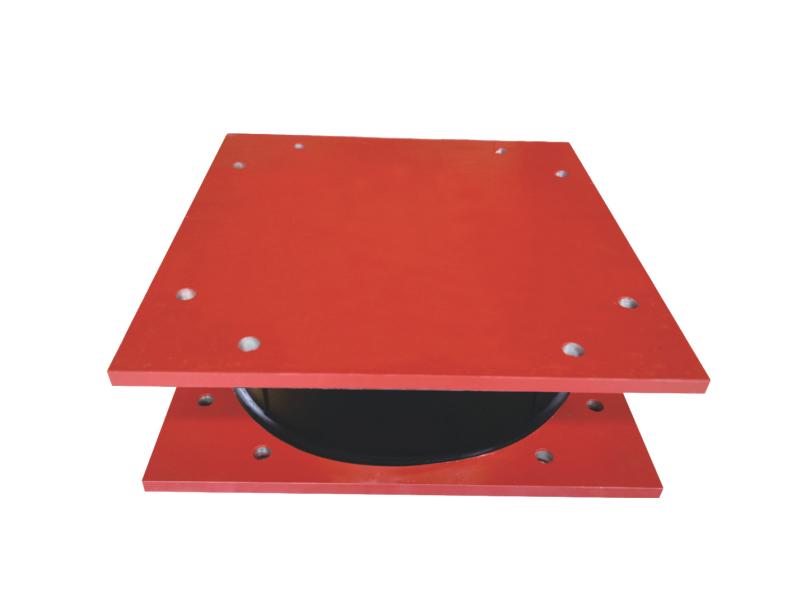
In the intricate world of structural and mechanical engineering, managing movement is as crucial as managing load. The linear rubber bearing serves as a vital component specifically designed to address this need, accommodating controlled linear displacement between structural elements. This type of bearing, sometimes referred to as a sliding or translational bearing, allows for movement along a single, predefined axis while simultaneously providing resistance to forces in other directions. At its core, a linear rubber bearing combines the compressive strength and elasticity of an elastomeric rubber pad with a low-friction sliding interface. Its primary function is to permit thermal expansion and contraction, seismic drift, or other predictable movements in structures like bridges and buildings, thereby preventing the buildup of damaging internal stresses. The intelligent application of this bearing is fundamental to the longevity and safety of modern infrastructure.
The typical construction of a linear rubber bearing involves two primary components working in tandem. The first is a durable elastomeric rubber pad, often reinforced with steel laminate plates. This pad is firmly bonded to a base plate that attaches to the supporting structure (e.g., a bridge pier). The rubber element provides vertical stiffness to carry the structure's weight and allows for small rotational adjustments. The second, and defining, component is a polished stainless steel sliding surface attached to the top of the rubber pad or integrated into a separate plate. This surface mates with a low-friction material—most commonly polytetrafluoroethylene (PTFE, or Teflon®)—that is attached to the underside of the moving structural element (e.g., the bridge deck). This PTFE-stainless steel interface creates the linear sliding mechanism, enabling movement with minimal friction force. The rubber pad thus supports the load, while the sliding surface facilitates the linear translation.
The operational mechanics of a linear rubber bearing are governed by its ability to manage different types of forces. In the vertical direction, the reinforced rubber pad behaves like a spring, compressing elastically under the permanent load. This provides a predictable and resilient support. For horizontal forces perpendicular to the direction of intended slide, the bearing offers high resistance, providing stability against wind, braking forces, or minor seismic activity. The critical function occurs along the designated linear axis. When thermal changes or other effects cause the superstructure to expand or contract, the resulting horizontal force overcomes the static friction of the PTFE interface. The bearing then slides, allowing the movement to occur at this controlled location rather than stressing fixed connections elsewhere. After movement, the static friction helps hold the new position.
Designing with linear rubber bearings requires careful consideration of several parameters. The coefficient of friction between the PTFE and stainless steel determines the force needed to initiate and maintain sliding, directly impacting the loads transferred to substructures. The bearing's vertical stiffness must be calculated to ensure proper load distribution and to control uplift. The total expected movement dictates the required size of the sliding surface to ensure the bearing does not run out of travel. Environmental factors are also critical; bearings must be designed to operate within a specific temperature range and are often protected by external covers to prevent debris from jamming the sliding interface. The successful specification of a linear rubber bearing ensures it will perform its dual role of support and movement accommodation reliably over the structure's lifespan.
The linear rubber bearing is a sophisticated yet practical solution to a universal engineering challenge: accommodating inevitable movement without compromising structural integrity. By decoupling the functions of load support and guided translation, it efficiently manages forces that could otherwise lead to damage. Its use in bridges, large buildings, and other expansive structures is a testament to its effectiveness. As engineering projects push toward longer spans and more complex forms, the role of the linear rubber bearing in ensuring flexible, durable, and safe connections remains fundamentally important, proving that controlled movement is a cornerstone of resilient design.

 English
 Arabic
 French
 Spanish
 Portuguese
 Deutsch
 Turkish
 Dutch
Dutch
 Italiano
 Romaian
 Portuguese (Brazil)
 Greek
Greek