


Inside the Power: The Technology Driving Modern Lithium Chainsaws
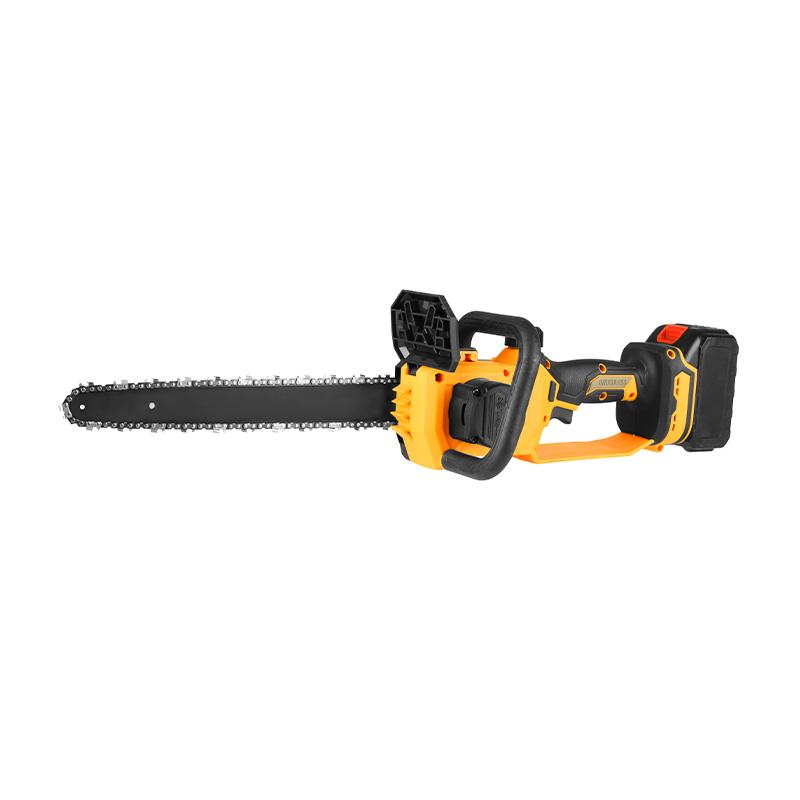
The performance of a contemporary lithium chainsaw is the result of a carefully engineered balance between three core systems: the lithium battery, the electric drive motor, and the cutting assembly. This integration defines the tool's capabilities and distinguishes it from traditional gas-powered equipment. A high-functioning lithium chainsaw must deliver sufficient torque to drive a sharp chain through wood, manage electrical and thermal loads efficiently, and do so for a practical duration on a single charge. Manufacturers focus on optimizing each component and their interaction to create a tool that is not just cordless, but convincingly capable. The advancement of this technology is a continuous pursuit of greater energy density, smarter power management, and more durable mechanical design.
The lithium-ion battery is the foundation of the system. Its cells determine the voltage (power potential) and ampere-hour capacity (energy storage). Modern packs for outdoor tools often use high-discharge 21700 cell formats to provide the substantial current a chainsaw motor demands. A critical sub-component is the Battery Management System (BMS), a small circuit board that protects the pack. It monitors cell voltage and temperature, prevents over-discharge that can permanently damage the lithium cells, and manages charging. This electronic protection is vital for safety and longevity. The battery connects to a brushless electric motor, which converts electrical energy into rotational force. Brushless motors are favored for their efficiency, durability, and ability to provide high torque at low speeds—a key trait for preventing the chain from stalling in a cut.
The power from the motor is transmitted to the cutting assembly, comprising the drive sprocket, the guide bar, and the cutting chain. The quality and maintenance of this assembly are as crucial for a lithium chainsaw as for any other type. A sharp, properly tensioned chain with adequate lubrication is essential for efficient cutting and for preventing undue strain on the motor and battery. Some advanced lithium chainsaw models incorporate smart features, such as electronic chain brakes that activate faster than mechanical inertia systems, or load-sensing electronics that adjust power output to match cutting resistance, thereby optimizing battery consumption. These features highlight how digital controls can enhance both the safety and efficiency of the tool.
The practical outcome of this system engineering is a tool that excels in specific scenarios. The instant torque response of the electric motor allows a lithium chainsaw to bite into wood aggressively. The absence of a clutch means power delivery is direct and linear. For tasks like pruning, cutting fallen limbs, or processing firewood of moderate size, a capable lithium chainsaw performs with an effectiveness that surprises many first-time users. While the total energy of a battery pack cannot match a full tank of gasoline, the precision, cleanliness, and ready-to-use nature of the tool offer compelling advantages. The ongoing development of lithium technology promises further gains, suggesting that the performance envelope of the cordless chainsaw will continue to expand, securing its role as a fundamental tool for an increasing number of users who value a blend of power, convenience, and minimal environmental impact.

 English
 Arabic
 French
 Spanish
 Portuguese
 Deutsch
 Turkish
 Dutch
Dutch
 Italiano
 Russian
 Portuguese (Brazil)
 Greek
Greek