


From Workwear to Streetwear: The Cultural Migration of Mesh Hats
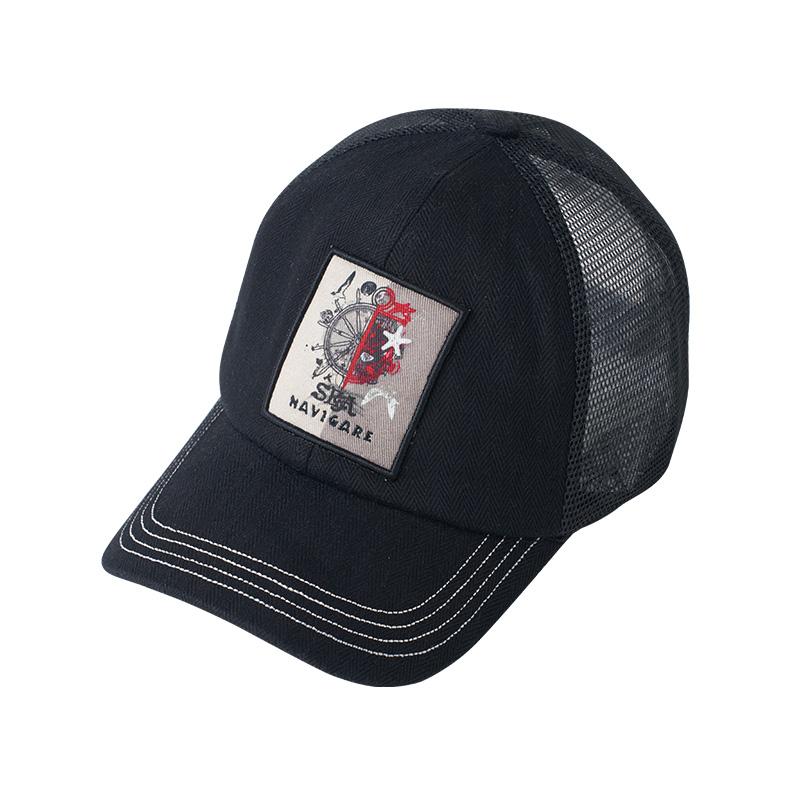
A mesh hat, particularly in its classic foam-fronted form, carries a social narrative deeply intertwined with twentieth-century labor and leisure. Its initial prominence came not from fashion circles but from the practical realms of agriculture, transportation, and industry. Companies distributed these hats as inexpensive promotional items, their design serving a dual purpose: the breathable mesh back offered cooling relief to workers, while the foam front acted as a portable billboard. For a considerable period, this type of cap was associated with specific trades and rural life. It was an item defined by its utility and its role as commercial giveaway, common in settings where physical work and sun exposure were daily realities. The value of a mesh hat in this context was purely functional and economic, with its distinctive two-tone, ventilated profile signaling a down-to-earth, utilitarian origin rather than any stylistic intention.
The transition of the mesh hat into a broader cultural symbol was a gradual process of recontextualization. As vintage aesthetics and workwear-inspired style gained momentum, items possessing an aura of authenticity and practical history became attractive. The mesh-backed cap was discovered by subcultures and style enthusiasts who appreciated its distinctive look and its perceived connection to an authentic, blue-collar past. Wearing a hat emblazoned with the logo of a forgotten feed company or tool brand became an ironic or appreciative statement, deliberately detached from the original commercial intent. This act effectively stripped the hat of its primary role as an advertisement and began recoding it as a token of casual, retro, or non-conformist taste. Music scenes, from indie rock to hip-hop, played a significant role in this adoption, cementing the mesh hat’s place in the vocabulary of street style.
In the contemporary landscape, the mesh hat exists in a dual state. It remains a highly functional option for anyone seeking ventilated headwear for sports, outdoor work, or hot-weather comfort. Its material properties—the engineered airflow of the synthetic mesh—continue to provide a tangible benefit. Simultaneously, it is a firmly established fashion accessory. Modern versions are produced with a focus on design, featuring curated graphics, color blocking, and quality materials that appeal to style-conscious consumers. The mesh panel itself has become a defining visual element, a signifier of the hat’s category and its cool, breathable promise. Choosing to wear a mesh hat today can be a decision based on climate, a nod to a particular aesthetic lineage, or an appreciation for its unique structural feel. Thus, the story of the mesh hat illustrates how an object conceived for mundane utility can, through time and cultural shifts, accumulate significant layers of social meaning and stylistic relevance.

 English
 Arabic
 French
 Spanish
 Portuguese
 Deutsch
 Dutch
Dutch
 Italiano
 Russian
 Romaian
 Portuguese (Brazil)
 Greek
Greek