


From Concept to Container: The Manufacturing of Composite Packaging
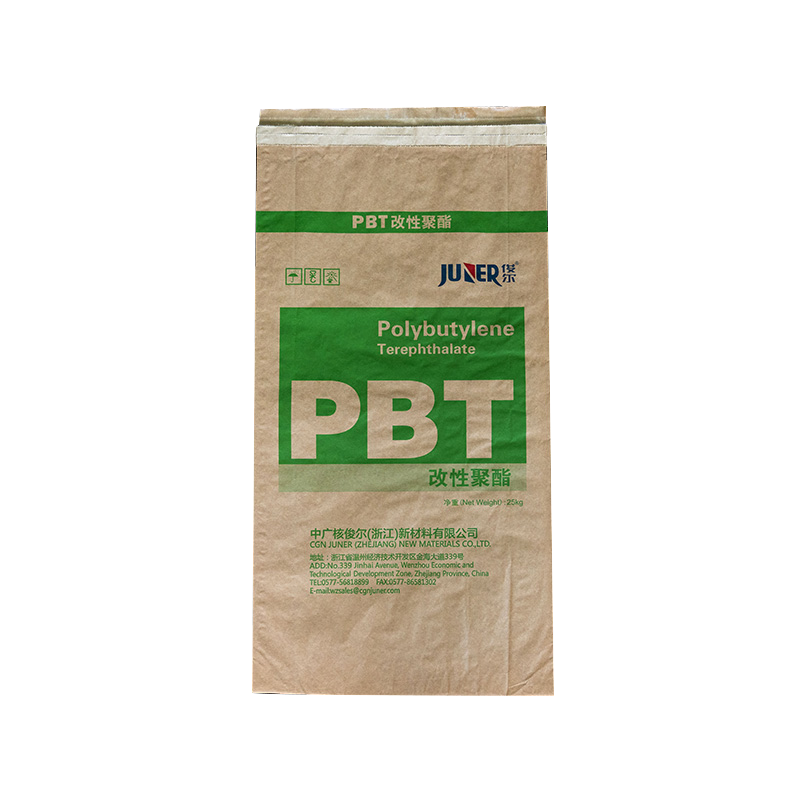
The creation of effective composite packaging is a precise industrial process that transforms raw material layers into a unified, functional web. This manufacturing journey begins with the unwinding of large rolls of individual material, such as polymer films, paperboard, or thin gauge aluminum foil. These separate components are destined to be combined into a single, multi-layered laminate whose properties are carefully predetermined. The core conversion processes are lamination and co-extrusion. In adhesive lamination, layers are brought together using a controlled application of glue, then passed through heated rollers to cure the bond. In extrusion lamination, a molten polymer resin is applied directly between two substrates, acting as both an adhesive and a functional barrier layer upon cooling. Each method for producing composite packaging offers distinct advantages in terms of bond strength, production speed, and the types of materials that can be joined. The resulting composite film or sheet is a new entity, a engineered material with its own performance profile tailored for specific packaging challenges.
Quality control during this phase is intensive. The composite material must be tested for critical parameters such as bond strength, to ensure layers will not separate under stress; barrier properties, to confirm oxygen and moisture transmission rates meet specifications; and seal integrity, which is vital for the final package performance. Even minor inconsistencies in adhesive application or extrusion thickness can create weak points. After lamination, the composite web is often printed upon using flexographic or gravure presses, which apply brand graphics and product information in multiple colors with high durability. This printed web is then fed into converting machines that cut and shape it into the final package form—whether that is a stand-up pouch, a flat pouch, a lidstock for a tray, or a sleeve for a bottle. Each cut and seal must be precise to maintain the integrity of the barrier established by the composite structure. Additional features, such as resealable zippers or tear notches, are integrated at this stage.
The finished composite packages are then delivered to product manufacturers for filling on high-speed packaging lines. Here, the packaging must perform flawlessly: it must feed consistently, accept heat seals to form a hermetic closure around the product, and withstand the physical demands of the filling process. The success of the entire system depends on the reliable, repeatable performance of the composite material. Beyond functionality, modern development in this field also addresses end-of-life scenarios. Innovations include designing composite packaging with separable layers for improved recyclability, developing mono-material composites that maintain barrier properties while being compatible with recycling streams, and utilizing bio-based or compostable polymer layers where appropriate. This holistic view of the package’s lifecycle, from manufacture to disposal, is driving new thinking in composite design. Thus, the production of composite packaging is a sophisticated orchestration of materials science and mechanical engineering, resulting in a dynamic and essential tool for global commerce.

 English
 Arabic
 French
 Spanish
 Portuguese
 Deutsch
 Turkish
 Italiano
 Russian
 Romaian
 Portuguese (Brazil)
 Greek
Greek