


Why More Patients Are Choosing TPN Treatment at Home
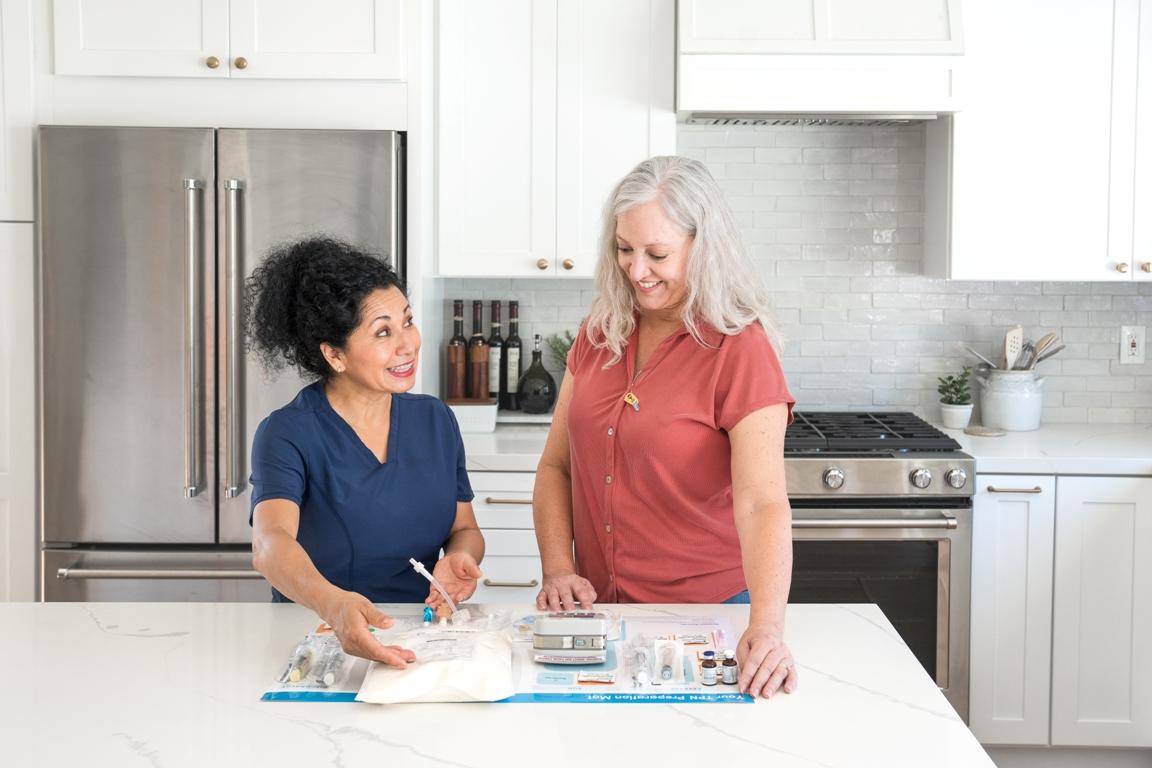
Total Parenteral Nutrition (TPN) has long been associated with extended hospital stays, but advances in healthcare delivery have changed how and where this therapy is provided. Today, an increasing number of patients are opting to receive nutrition therapy in the comfort of their own homes rather than remaining in inpatient settings. For individuals exploring options such as TPN at home in Dubai, this shift reflects a growing preference for care models that prioritize comfort, independence, and quality of life while still maintaining high medical standards.
Understanding TPN and Its Purpose:
TPN is a specialized form of nutrition delivered directly into the bloodstream through a central venous catheter. It is prescribed when the digestive system cannot adequately absorb nutrients due to illness, surgery, or chronic conditions. The solution contains a precise balance of calories, proteins, fats, vitamins, and minerals, all tailored to meet individual medical needs under professional supervision.
Advances Making Home TPN Possible:
Technological and clinical advancements have made home TPN safer and more accessible than ever before. Improvements in infusion pumps, catheter design, and standardized training programs now allow patients to manage complex therapy outside the hospital without compromising safety or effectiveness.
Increased Focus on Patient-Centered Care:
Modern healthcare increasingly emphasizes patient-centered approaches that respect comfort, dignity, and personal preferences. Home TPN aligns with this philosophy by allowing patients to receive essential treatment in familiar surroundings rather than remaining in clinical environments for prolonged periods.
Improved Quality of Life at Home:
One of the primary reasons patients choose home TPN is the noticeable improvement in daily comfort and wellbeing. Being at home reduces stress, supports better sleep, and allows individuals to remain close to family, all of which contribute positively to emotional and psychological health.
Greater Independence and Autonomy:
Hospital-based care can limit personal freedom, while home TPN restores a sense of control over daily routines. Patients can participate more actively in their care and make decisions about how therapy fits into their lives, which often leads to improved confidence and self-esteem.
Flexible Daily Schedules:
Home TPN allows greater flexibility compared to rigid hospital schedules. Many patients receive infusions overnight, freeing daytime hours for personal activities. This flexibility often supports:
-
Attendance at work or school when possible
-
Spending meaningful time with family and friends
-
Participation in hobbies and light activities
-
Resting without constant medical interruptions
Reduced Hospital Stays and Readmissions:
Choosing home TPN significantly reduces the need for prolonged hospital stays. This not only minimizes exposure to hospital-related stress and infections but also allows healthcare facilities to focus resources on patients requiring acute care.
Emotional Benefits for Patients and Families:
Long hospitalizations can be emotionally exhausting for both patients and caregivers. Home-based care helps ease this burden by keeping families together in a familiar environment, strengthening emotional support systems and reducing feelings of isolation.
Safety Through Structured Training:
Despite its complexity, TPN can be safely managed at home through comprehensive education. Patients and caregivers receive detailed training on sterile techniques, catheter care, and equipment use, which helps maintain safety and build confidence over time.
Role of Caregivers in Home TPN:
Caregivers play an important role in the success of home TPN, providing both practical assistance and emotional reassurance. Their involvement often transforms treatment into a shared responsibility, making patients feel supported rather than dependent.
Ongoing Medical Monitoring:
Home TPN does not mean reduced medical oversight. Regular blood tests, scheduled clinic visits, and communication with healthcare providers ensure nutrition plans remain appropriate and adjustments are made as health needs evolve.
Economic and Practical Advantages:
Home-based TPN can offer practical benefits for both patients and healthcare systems. Reduced hospitalization lowers indirect costs such as travel and time away from work, while healthcare providers can allocate inpatient resources more efficiently.
Lifestyle Integration and Normalcy:
Patients increasingly choose home TPN because it integrates more naturally into everyday life. With planning and routine, therapy becomes a manageable part of the day rather than a central disruption, allowing patients to focus on living rather than solely on treatment.
Access to Specialized Home Care Services:
Patients receiving TPN at home in Dubai often benefit from coordinated home care programs that include nursing support, supply management, and ongoing education. These services provide reassurance and continuity, helping patients transition smoothly from hospital to home.
Long-Term Sustainability of Home TPN:
For individuals requiring extended or lifelong nutrition support, home TPN offers a sustainable long-term solution. It supports consistent care while minimizing the emotional and physical toll of repeated hospital admissions.
Growing Awareness and Acceptance:
As more patients share positive experiences, awareness of home TPN continues to grow. Increased education and acceptance among healthcare providers and families contribute to its rising popularity as a preferred care option.
Final Thoughts.
More patients are choosing TPN treatment at home because it offers a balanced approach to long-term nutrition care that prioritizes safety, independence, and quality of life. Advances in medical technology, structured training, and professional support have made home-based therapy a reliable alternative to extended hospitalization. By allowing patients to receive essential nutrition in familiar surroundings, home TPN supports not only physical health but also emotional wellbeing, making it an increasingly preferred choice for long-term care.

 English
 Arabic
 French
 Spanish
 Portuguese
 Deutsch
 Turkish
 Italiano
 Russian
 Romaian
 Portuguese (Brazil)
 Greek
Greek