


A Guide to Waterfalls in Northern Pakistan (Umbrella, Sajikot & More)
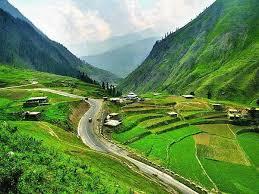
Northern Pakistan is blessed with breathtaking natural beauty, and its waterfalls are among the region’s most refreshing and scenic attractions. Flowing down rocky cliffs, hidden inside forests, or cascading beside mountain roads, these waterfalls add charm to valleys already famous for mountains and lakes. From well-known waterfalls like Umbrella Waterfall and Sajikot Waterfall to lesser-known gems in Hunza, Skardu, Swat, and Kashmir, each has its own unique appeal.
This guide explores the most beautiful waterfalls in Northern Pakistan, along with travel tips, best visiting seasons, and safety advice for a memorable experience.
Why Visit Waterfalls in Northern Pakistan?
Waterfalls offer more than just beautiful views. They provide:
-
Cool and refreshing natural environments
-
Peaceful stops during long road journeys
-
Easy short hikes and picnic spots
-
Excellent photography opportunities
-
Relaxation away from crowded tourist sites
Many waterfalls are located near popular valleys, making them perfect additions to any northern travel itinerary.
Best Time to Visit Waterfalls
The ideal season to explore waterfalls is:
-
April to September: Snowmelt increases water flow
-
June to August: Best weather and easy access
-
September: Fewer crowds and pleasant temperatures
Avoid visiting waterfalls during heavy monsoon rains, as slippery trails and strong water currents can be dangerous.
1. Umbrella Waterfall (Abbottabad)
Umbrella Waterfall is one of Pakistan’s most famous waterfalls, known for its unique umbrella-like shape.
Why it’s special:
-
Distinctive rock formation
-
Crystal-clear cold water
-
Short but adventurous hike
Difficulty: Easy to Moderate
Best Time: March to September
The hike involves stream crossings and rocky paths, making it exciting yet manageable for most visitors.
2. Sajikot Waterfall (Haripur)
Sajikot Waterfall is a powerful cascade surrounded by lush greenery.
Why it’s special:
-
Strong water flow
-
Natural pool at the base
-
Easy road access
Difficulty: Easy
Best Time: April to October
It is ideal for families, picnics, and first-time waterfall explorers.
3. Attabad Waterfall (Hunza Valley)
Attabad Waterfall is a seasonal waterfall located near Attabad Lake along the Karakoram Highway in Hunza.
Why it’s special:
-
Surrounded by dramatic Hunza mountains
-
Easy roadside access
-
Best viewed during glacier melt season
Difficulty: Easy
Best Time: May to August
Though not very tall, its location and scenic surroundings make it a beautiful stop while exploring Hunza Valley.
4. Manthoka Waterfall (Skardu)
Manthoka is one of the largest and most accessible waterfalls in Gilgit-Baltistan.
Why it’s special:
-
Wide and powerful flow
-
Mountain backdrop
-
Nearby seating and food stalls
Difficulty: Easy
Best Time: May to September
Located near Kharmang Valley, it is a popular stop for travelers heading to Skardu.
5. Dhanni Waterfall (Neelum Valley)
Dhanni Waterfall is one of the strongest waterfalls in Azad Kashmir.
Why it’s special:
-
Heavy water pressure
-
Misty and cool environment
-
Dense forest surroundings
Difficulty: Easy
Best Time: April to September
It is located close to the road and easily accessible.
6. Gulpur Waterfall (Kotli, Azad Kashmir)
A tall waterfall hidden among green hills.
Why it’s special:
-
Vertical drop
-
Calm and peaceful setting
-
Great photography spot
Difficulty: Moderate
Best Time: March to September
A short hike is required, but the reward is worth the effort.
7. Jarogo Waterfall (Swat Valley)
One of the tallest waterfalls in Pakistan.
Why it’s special:
-
Impressive height
-
Scenic drive through Swat
-
Traditional village surroundings
Difficulty: Easy to Moderate
Best Time: May to September
A short walk from the road leads to the waterfall viewpoint.
8. Rainbow Waterfall (Astore Valley)
A lesser-known waterfall famous for its rainbow effect in sunlight.
Why it’s special:
-
Colorful reflections during sunny hours
-
Quiet and remote location
-
Untouched natural beauty
Difficulty: Moderate
Best Time: June to August
This waterfall is ideal for travelers seeking offbeat destinations.
9. Shaheed-e-Sar Waterfall (Kaghan Valley)
A hidden waterfall surrounded by alpine scenery.
Why it’s special:
-
Less crowded
-
Cool mountain climate
-
Beautiful photography angles
Difficulty: Moderate
Best Time: June to September
Perfect for travelers exploring Kaghan beyond famous lakes.
Safety Tips for Visiting Waterfalls
Waterfalls can be risky if safety precautions are ignored:
-
Avoid slippery rocks
-
Do not swim near strong currents
-
Visit during daylight hours
-
Wear proper walking shoes
-
Keep children under supervision
-
Avoid visiting after heavy rainfall
Staying alert ensures a safe and enjoyable visit.
What to Pack for Waterfall Trips
-
Comfortable hiking shoes
-
Light waterproof jacket
-
Extra clothes
-
Drinking water and snacks
-
Camera or phone
-
First-aid kit
Packing smart makes your trip more comfortable.
Responsible Tourism Around Waterfalls
Help protect these natural sites by:
-
Not littering
-
Avoiding plastic waste
-
Respecting wildlife
-
Keeping noise levels low
-
Leaving the area clean
Responsible tourism preserves these waterfalls for future generations.
Why Waterfalls Should Be Part of Your Northern Trip
Including waterfalls in your travel plan offers:
-
Refreshing breaks during long drives
-
Scenic beauty beyond mountains and lakes
-
Short adventure hikes
-
Peaceful moments in nature
They add balance and variety to any northern Pakistan journey.
Final Thoughts
Northern Pakistan is home to countless stunning waterfalls, from famous sites like Umbrella and Sajikot Waterfalls to scenic cascades in Hunza, Skardu, Swat, Kaghan, and Kashmir. Each waterfall offers a unique experience, whether it’s a short roadside stop or a rewarding hike through forests and valleys.
Exploring these waterfalls adds freshness, beauty, and tranquility to your trip. With proper planning, safety awareness, and respect for nature, waterfall exploration in Northern Pakistan becomes an unforgettable experience.

 Arabic
 French
 Spanish
 Portuguese
 Deutsch
 Turkish
 Dutch
Dutch
 Italiano
 Russian
 Romaian
 Portuguese (Brazil)
 Greek
Greek