PRP hair treatment has emerged as a highly effective, non-surgical solution for hair thinning and hair loss. By using platelet-rich plasma derived from the patient’s own blood, PRP stimulates hair follicles, improves scalp health, and encourages natural hair regrowth. One of the most common questions patients have is how often the treatment should be administered to achieve optimal results. Understanding the ideal frequency and maintenance schedule is crucial to maximize the benefits of PRP therapy while ensuring long-term hair health.
Understanding PRP Hair Treatment:
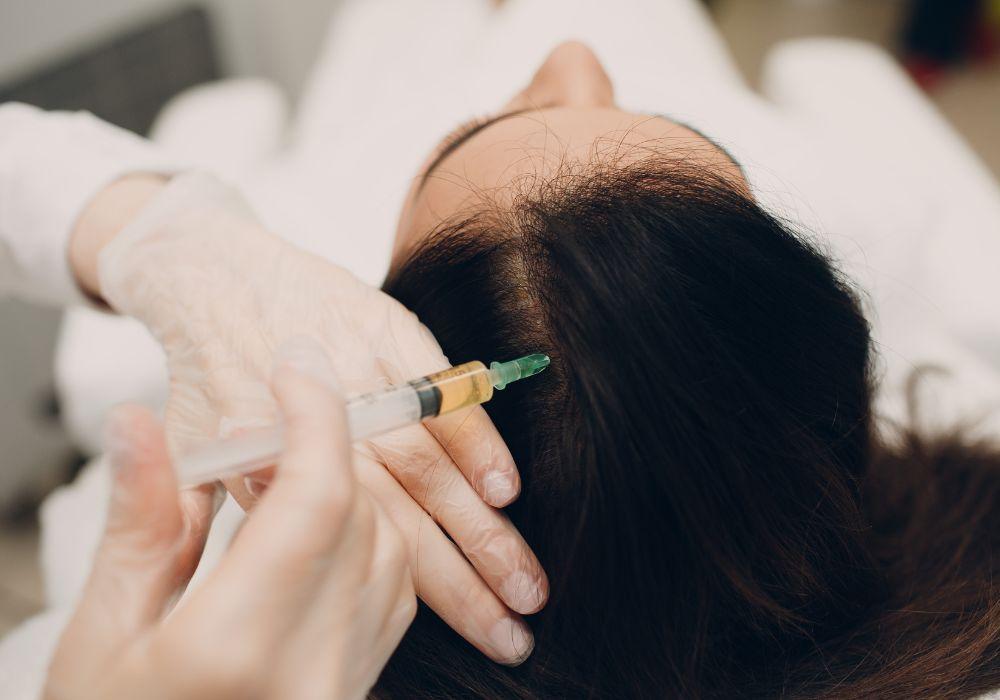
PRP hair treatment involves injecting concentrated platelets into areas of thinning hair to activate dormant follicles:
-
Platelets contain growth factors that promote tissue repair and hair growth
-
Blood is drawn from the patient and processed in a centrifuge to isolate PRP
-
PRP is injected directly into the scalp in affected areas
-
The therapy strengthens existing hair and encourages new growth over time
Initial Treatment Frequency:
The first phase of PRP therapy typically requires multiple sessions to jumpstart follicle activity:
-
Most patients start with 3–4 sessions spaced 4–6 weeks apart
-
Early sessions help activate dormant follicles and reduce shedding
-
Consistency in this initial phase is critical to see visible improvements
-
The treatment plan is usually personalized based on hair loss severity
Factors Affecting Treatment Intervals:
Several factors influence how often PRP therapy should be administered:
-
Age and overall health of the patient
-
Extent and pattern of hair loss
-
Hair follicle responsiveness to PRP growth factors
-
Combination with other therapies such as topical medications or laser treatments
Maintenance Sessions:
After the initial treatment phase, maintenance sessions help sustain hair growth and follicle health:
-
Typically, follow-up sessions are recommended every 6–12 months
-
Helps maintain hair density and thickness achieved in earlier treatments
-
Reduces the risk of hair loss progression over time
-
Frequency may be adjusted depending on individual response
Monitoring Progress and Adjusting Frequency:
Regular monitoring allows for adjustments to treatment intervals:
-
Hair density, thickness, and scalp health are assessed during follow-ups
-
Physicians may recommend additional sessions if hair growth plateaus
-
Personalized schedules ensure optimal stimulation without over-treatment
-
Adjustments are based on both clinical results and patient goals
Benefits of Following a Structured Schedule:
Adhering to a recommended PRP schedule improves long-term outcomes:
-
Consistent follicle activation leads to more noticeable hair growth
-
Reduces shedding and strengthens existing hair strands
-
Promotes overall scalp health and tissue regeneration
-
Maximizes the return on investment in PRP therapy
Supporting PRP Results With Lifestyle Choices:
Lifestyle habits play a key role in maintaining results between sessions:
-
Maintain a balanced diet rich in protein, vitamins, and minerals
-
Stay hydrated to improve blood flow and nutrient delivery to follicles
-
Minimize stress through exercise, mindfulness, or relaxation techniques
-
Avoid harsh chemical treatments, heat styling, or excessive hair pulling
Combining PRP With Other Treatments:
PRP therapy can be enhanced when combined with other hair restoration methods:
-
Topical medications like minoxidil support ongoing follicle stimulation
-
Low-level laser therapy (LLLT) improves circulation and cellular activity
-
Microneedling increases PRP absorption and promotes collagen production
-
Hair transplants may be complemented with PRP to accelerate healing and growth
Signs You May Need Additional Sessions:
Even with a standard schedule, some patients may require extra treatments:
-
Persistent thinning or slow hair growth in certain areas
-
Platelet responsiveness varies between individuals
-
Lifestyle factors, stress, or underlying health issues affecting results
-
Follow-up assessments help determine the need for supplemental sessions
Choosing the Right Clinic for Consistent Treatment:
Selecting an experienced provider ensures a safe and effective PRP schedule:
-
Physicians should have expertise in PRP hair therapy and hair restoration
-
Clinics should follow proper sterilization and procedural protocols
-
Personalized consultation evaluates hair loss patterns and expected outcomes
-
Clear communication about session frequency, expected results, and costs
Final Thoughts.
PRP hair treatment can provide remarkable results for individuals experiencing hair thinning and hair loss, but following an appropriate treatment schedule is essential. Most patients benefit from an initial series of 3–4 sessions spaced 4–6 weeks apart, followed by maintenance sessions every 6–12 months. Factors such as hair loss severity, age, lifestyle, and overall health influence the ideal frequency. By adhering to a structured schedule, supporting hair health through lifestyle choices, and consulting experienced professionals, patients can achieve thicker, healthier, and longer-lasting hair growth with PRP hair treatment.




 English
 Arabic
 French
 Spanish
 Portuguese
 Turkish
 Dutch
Dutch
 Italiano
 Russian
 Romaian
 Portuguese (Brazil)
 Greek
Greek