English
 Arabic
 French
 Spanish
 Portuguese
 Deutsch
 Turkish
 Dutch
Dutch
 Italiano
 Russian
 Romaian
 Portuguese (Brazil)
 Greek
Greek

Netflix's New Family Drama - Troubled Waters
Games |
2026-01-11 02:28:05
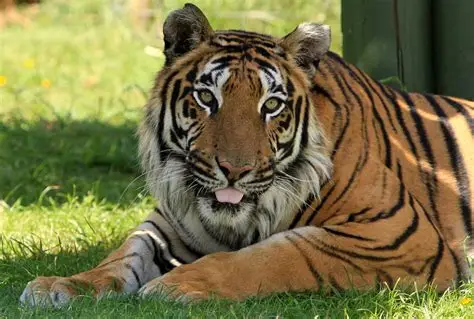
Rajasthan is often celebrated for its forts, palaces, and desert landscapes, but the state is equally remarkable for its wildlife. Rajasthan Wildlife Tourism has grown into a major attraction, drawing nature lovers, photographers, and adventure seekers from across the globe. From the Aravalli Hills to the Thar Desert, Rajasthan’s varied geography supports a rich biodiversity.
This article provides a detailed 1500-word guide to Rajasthan Wildlife Tourism, covering national parks, sanctuaries, key species, best visiting seasons, cultural highlights, travel tips, and sustainable practices.
Diverse Ecosystems: Desert grasslands, wetlands, deciduous forests, and rocky hills.
Flagship Species: Tigers, leopards, blackbucks, chinkaras, desert foxes, and migratory birds.
Cultural Blend: Wildlife tours often combine with heritage experiences in Jaipur, Udaipur, and Jodhpur.
Location: Sawai Madhopur.
Highlights: Famous for tiger sightings, ancient Ranthambore Fort.
Best Season: October–June.
Location: Alwar.
Highlights: Tigers, leopards, hyenas, and ruins of Kankwari Fort.
Best Season: October–March.
Location: Bharatpur.
Highlights: UNESCO World Heritage Site, migratory birds like Siberian cranes.
Best Season: November–February.
Location: Jaisalmer.
Highlights: Great Indian Bustard, desert fox, chinkara.
Best Season: October–March.
Location: Pali district.
Highlights: High density of leopards, coexistence with Rabari shepherds.
Best Season: Year-round, especially winter.
Location: Aravalli Hills.
Highlights: Sloth bears, jungle cats, and diverse flora.
Best Season: October–March.
Big Cats: Tigers (Ranthambore, Sariska), leopards (Jawai).
Birds: Siberian cranes, painted storks, pelicans (Bharatpur).
Desert Fauna: Blackbucks, chinkaras, desert foxes (Jaisalmer).
Reptiles: Monitor lizards, crocodiles (Chambal river areas).
Winter (October–March): Pleasant weather, ideal for safaris and birdwatching.
Summer (April–June): Hot, but easier tiger sightings near waterholes.
Monsoon (July–September): Parks remain lush, but safaris may be restricted.
Ranthambore Fort: Blend of history and wildlife.
Jaisalmer Desert Safaris: Combine camel rides with Desert National Park visits.
Bharatpur Palace: Heritage exploration alongside birdwatching.
Local Villages: Experience Rabari and Bishnoi communities’ conservation traditions.
Day 1–2: Ranthambore National Park (tiger safari).
Day 3: Sariska Tiger Reserve.
Day 4–5: Bharatpur Bird Sanctuary.
Day 6: Jawai Leopard Reserve.
Day 7: Desert National Park, Jaisalmer.
Book Safaris Early: Limited slots, especially in Ranthambore.
Clothing: Light woolens in winter, cotton in summer.
Essentials: Binoculars, camera, water bottles, insect repellent.
Transport: Jeep safaris are best for tiger reserves; cycle rickshaws for Bharatpur.
Avoid plastic waste inside parks.
Support eco-friendly lodges and local artisans.
Respect wildlife by maintaining silence and following guide instructions.
Participate in conservation awareness programs.
Exclusive Tiger and Leopard Safaris: Ranthambore and Jawai are globally renowned.
Birdwatching Paradise: Bharatpur attracts ornithologists worldwide.
Desert Biodiversity: Unique species adapted to arid conditions.
Cultural Integration: Wildlife tours blend seamlessly with Rajasthan’s heritage.
Rajasthan Wildlife Tourism is more than just safaris—it is a journey into India’s biodiversity and cultural heritage. Whether you’re spotting tigers in Ranthambore, leopards in Jawai, or migratory birds in Bharatpur, the experience is unforgettable.
For wildlife enthusiasts, families, and cultural travelers alike, Rajasthan offers a rare chance to witness diverse ecosystems. If you’re planning your next adventure, exploring Rajasthan’s wildlife will immerse you in nature, tradition, and conservation.