English
 Arabic
 French
 Spanish
 Portuguese
 Deutsch
 Turkish
 Dutch
Dutch
 Italiano
 Russian
 Romaian
 Portuguese (Brazil)
 Greek
Greek

Онлайн слот игри през 2025: Какви нови функции и тематики да очакваме?
Sports |
2026-03-13 15:16:10
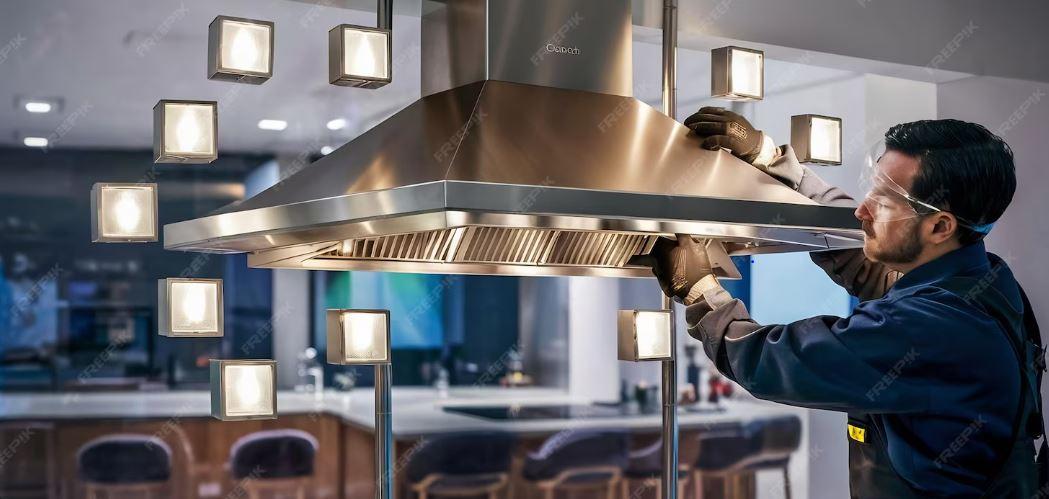
A clean workplace is essential for employee wellbeing, productivity, and professionalism. While most businesses focus on desk areas and floors, shared facilities such as the kitchen, breakroom, and restrooms require even more attention. These high-use zones are breeding grounds for bacteria, odours, and hygiene issues. Having a structured cleaning plan helps maintain workplace health standards and prevents contamination. This is where implementing an organised office kitchen cleaning checklist becomes crucial for any modern workplace.
Shared facilities carry a higher risk of cross-contamination. Employees often prepare food, eat, touch shared buttons, dispose of rubbish, and use restroom surfaces that accumulate germs quickly. Without a system:
Foodborne illnesses can spread
Bad odours develop
Mould and bacteria grow
Staff health and morale decline
Visitors form a negative impression
By following proper guidelines for kitchens, breakrooms, and restrooms, businesses protect their people and create a hygienic environment.
The office kitchen is one of the busiest shared zones. From food spills to fridge clutter, maintaining cleanliness requires daily and weekly routines. When designing your office kitchen cleaning checklist, ensure you cover all high-touch and food-contact surfaces.
Wipe benchtops, tables, and food prep areas
Clean appliance handles (microwave, fridge, kettle)
Wash sink and polish tapware
Empty rubbish and recycling bins
Clean microwave interiors
Sweep and mop floors
Restock dishwashing liquid, paper towels, and bin liners
Deep clean the fridge shelves and discard expired items
Wipe cupboards, splashbacks, and appliance exteriors
Clean toaster crumb trays
Sanitise kettle and coffee machine surfaces
Degrease stovetop or heating units
Professional appliance sanitisation
Descale kettles and coffee machines
Deep clean rangehood filters
Inspect plumbing and sink drainage
The breakroom is a relaxation space, but it often becomes cluttered with cutlery, leftover food, and spills. A structured cleaning plan ensures comfort and hygiene.
Wipe tables, benches, and communal seating
Sanitise vending machine buttons
Empty bins and remove leftover packaging
Vacuum and mop floors
Clean shared utensils and organise storage areas
Wipe skirting boards and wall marks
Sanitise remote controls and entertainment equipment
Dust shelves, frames, and decorative items
Deep clean upholstered chairs
Refresh air fresheners and deodoriser systems
Inspect pantry shelves for pests or spills
Restrooms demand the strictest hygiene standards. A poor-quality restroom is a major source of complaints. Regular cleaning prevents bacteria growth, foul odours, and cross-contact issues.
Clean and sanitise toilets, urinals, and cubicle doors
Wipe basins, taps, mirrors, and splash areas
Refill hand soap, paper towels, and toilet rolls
Empty sanitary bins and general rubbish bins
Mop floors using disinfectant
Clean light switches and door handles
Scrub tiles and grout
Polish chrome fixtures
Clean walls, partitions, and ventilation grills
Deep clean floor drains
Descale taps and shower fixtures (if applicable)
Conduct odour-control treatment
Inspect plumbing for leaks and water damage
Best Practices to Maintain Hygiene in Shared Office Areas
To ensure long-lasting cleanliness, businesses should adopt practical habits that make daily upkeep easier.
Use posters reminding staff to clean as they go
Promote proper waste disposal
Encourage wiping surfaces after meals
Food-safe sanitisers for kitchen areas
Strong disinfectants for restrooms
Microfibre cloths for efficient wiping
HEPA-filter vacuums for dust-free breakrooms
Commercial cleaning teams can perform deep cleaning services that go beyond basic wiping and tidying. This includes sanitising appliances, steam cleaning, tile scrubbing, and odour treatment.
Poor ventilation leads to moisture buildup and unpleasant smells. Ensure:
Exhaust fans work properly
Air purifiers operate in breakrooms
Windows are occasionally opened for airflow
A clean office kitchen, breakroom, and restroom is essential for maintaining hygiene, employee wellbeing, and a professional image. Implementing clear cleaning guidelines — supported by a structured office kitchen cleaning checklist — ensures consistency and prevents hygiene problems. When staff follow daily routines and businesses schedule regular deep cleaning, shared spaces remain fresh, safe, and comfortable for everyone.
Daily cleaning is recommended, including wiping benches, cleaning appliances, and emptying bins. Weekly deep cleaning keeps the area hygienic.
It typically includes wiping surfaces, sanitising appliances, cleaning the sink, mopping floors, and managing food waste.
Restrooms should be disinfected daily, with high-traffic offices requiring multiple cleans per day.
Both staff and cleaning teams share responsibility. Staff should clean up after themselves, while cleaners manage daily and scheduled tasks.
Deep cleaning removes hidden bacteria, prevents odours, and improves long-term hygiene and air quality.
Kitchen, Breakroom & Restroom Cleaning Guidelines for Offices
The essential cleaning guidelines for office kitchens, breakrooms, and restrooms, including tasks, best practices, and an office kitchen cleaning checklist to maintain a hygienic workplace.