


Scarring and healing after hair transplant in Dammam
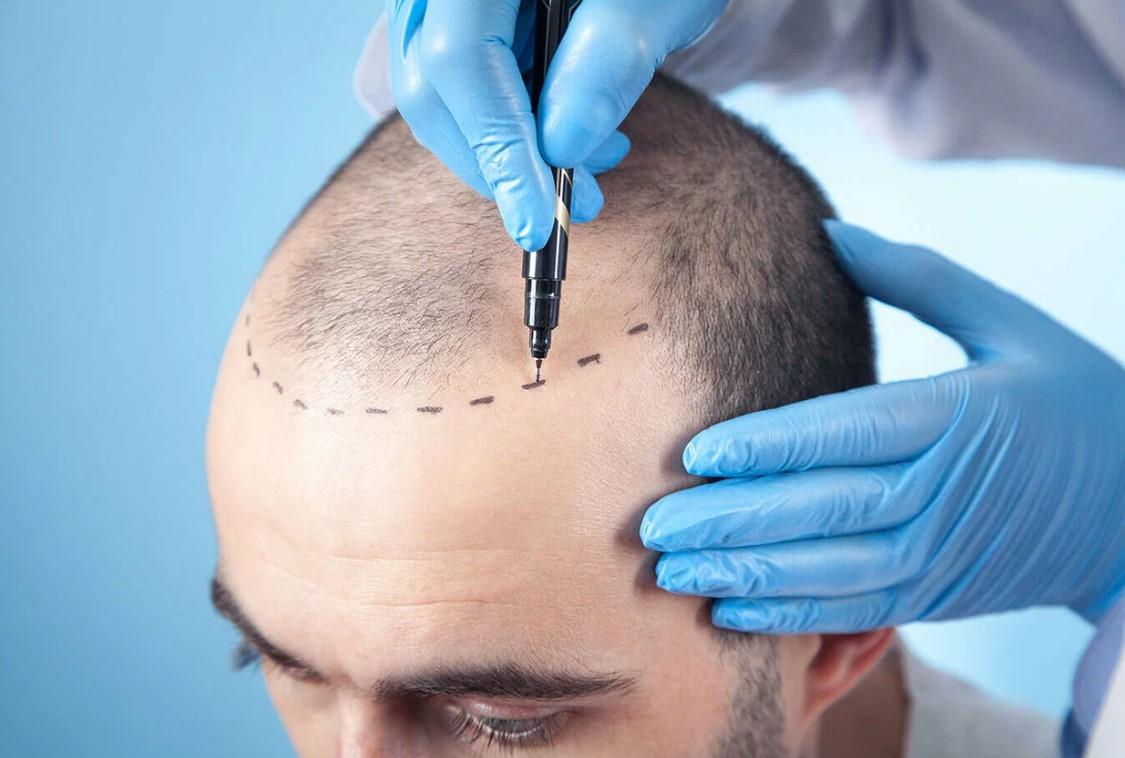
Hair transplantation is a widely used and effective solution for addressing hair loss, and in Dammam, it has become increasingly popular due to modern techniques and skilled specialists. While the procedure is generally safe and minimally invasive, patients often have concerns about scarring and the healing process. Understanding how the scalp recovers, what types of scars may occur, and how to promote optimal healing is essential for anyone considering a hair transplant. Hair transplant in Dammam has become a popular solution for individuals looking to restore hair density and improve their overall appearance.
Types of Hair Transplant Techniques and Scarring
The type of hair transplant procedure performed has a direct impact on scarring:
-
Follicular Unit Extraction (FUE): In FUE, individual hair follicles are harvested from the donor area using small, precise punches. This technique leaves tiny, dot-like scars that are usually barely noticeable, even when the hair is cut short. Because there is no large incision, healing is faster and less invasive. Most patients in Dammam find FUE particularly appealing for its minimal scarring.
-
Follicular Unit Transplantation (FUT): FUT involves removing a thin strip of scalp from the donor area, typically at the back of the head, and dissecting it into individual follicular units for transplantation. This method leaves a linear scar where the strip was removed. Although the scar can be hidden under surrounding hair, it may be noticeable if the hair is cut very short. Healing for FUT usually takes longer than FUE due to the larger incision, but it remains a reliable technique for patients requiring extensive grafts.
-
Direct Hair Implantation (DHI): DHI is an advanced variation of FUE where follicles are implanted directly into the recipient area using a specialized implanter pen. Scarring is minimal, similar to traditional FUE, and the procedure often allows for more precise placement and faster healing.
The Healing Process
Healing after a hair transplant occurs in stages, and understanding what to expect can help patients manage recovery effectively:
-
First Week: Mild swelling, redness, and small scabs around the transplanted follicles are common. The donor area may feel tender, especially after FUT procedures. These symptoms are temporary and generally subside within a few days. Patients are advised to avoid touching, scratching, or applying pressure to the scalp during this period.
-
Weeks 2-3: Scabs begin to fall off naturally, and some transplanted hairs may shed due to shock loss. Shedding is a normal part of the hair growth cycle and does not indicate failure. The donor area continues to heal, and stitches from FUT, if used, are usually removed within this period.
-
Months 1-3: The scalp appears more normal as redness and swelling fade completely. Transplanted follicles enter the resting phase (telogen), and new hair growth begins slowly. It is essential to follow post-operative care instructions during this period, including gentle washing and avoiding excessive sun exposure.
-
Months 4-6: Visible new hair growth emerges. Hair is initially fine and thin but gradually thickens over time. Healing of any minor scars continues, and the scalp texture becomes smoother.
-
Months 9-12: Full results become apparent. Transplanted hair achieves natural density and blends seamlessly with existing hair. Scars, whether dot-like from FUE or linear from FUT, continue to fade and are generally well concealed under surrounding hair.
Factors Affecting Scarring and Healing
Several factors influence how well the scalp heals and how noticeable scars are:
-
Surgical Technique: As noted, FUE and DHI typically result in minimal scarring, while FUT may leave a linear scar. Skilled surgeons in Dammam use careful extraction and implantation methods to reduce trauma to the scalp.
-
Individual Healing Response: Age, skin type, and genetics affect healing. Some patients naturally form more visible scars, while others heal with minimal evidence of surgery.
-
Post-Operative Care: Following instructions for washing, avoiding physical strain, and protecting the scalp from sunlight and infection is crucial for minimizing scars and promoting optimal healing.
-
Overall Health: Conditions like diabetes, smoking, or poor nutrition can slow healing and increase the risk of noticeable scarring. Maintaining a healthy lifestyle supports recovery.
Minimizing and Managing Scars
Patients in Dammam can take several steps to minimize scarring and support the healing process:
-
Gentle Scalp Care: Use mild shampoos, avoid scratching, and follow the surgeon’s washing instructions.
-
Protect from Sun: Sun exposure can darken scars and slow healing. Wearing a hat or staying in the shade is recommended during the initial months.
-
Follow-Up Visits: Regular check-ups allow specialists to monitor healing and address any issues promptly.
-
Complementary Treatments: In some cases, PRP therapy, microneedling, or laser treatments can enhance healing and improve scar appearance.
In conclusion, scarring and healing after a hair transplant in Dammam are generally manageable and minimal with modern techniques. FUE and DHI provide the advantage of tiny, almost invisible scars, while FUT leaves a linear mark that can be concealed with surrounding hair. Understanding the stages of healing, following post-operative care, and consulting with experienced specialists ensure optimal recovery. With proper attention and patience, patients can achieve natural, long-lasting hair restoration with minimal scarring, making hair transplantation an effective and confidence-boosting solution for hair loss.

 English
 Arabic
 French
 Spanish
 Portuguese
 Deutsch
 Turkish
 Dutch
Dutch
 Italiano
 Romaian
 Portuguese (Brazil)
 Greek
Greek